Moist Orange Bundt Cake Recipe
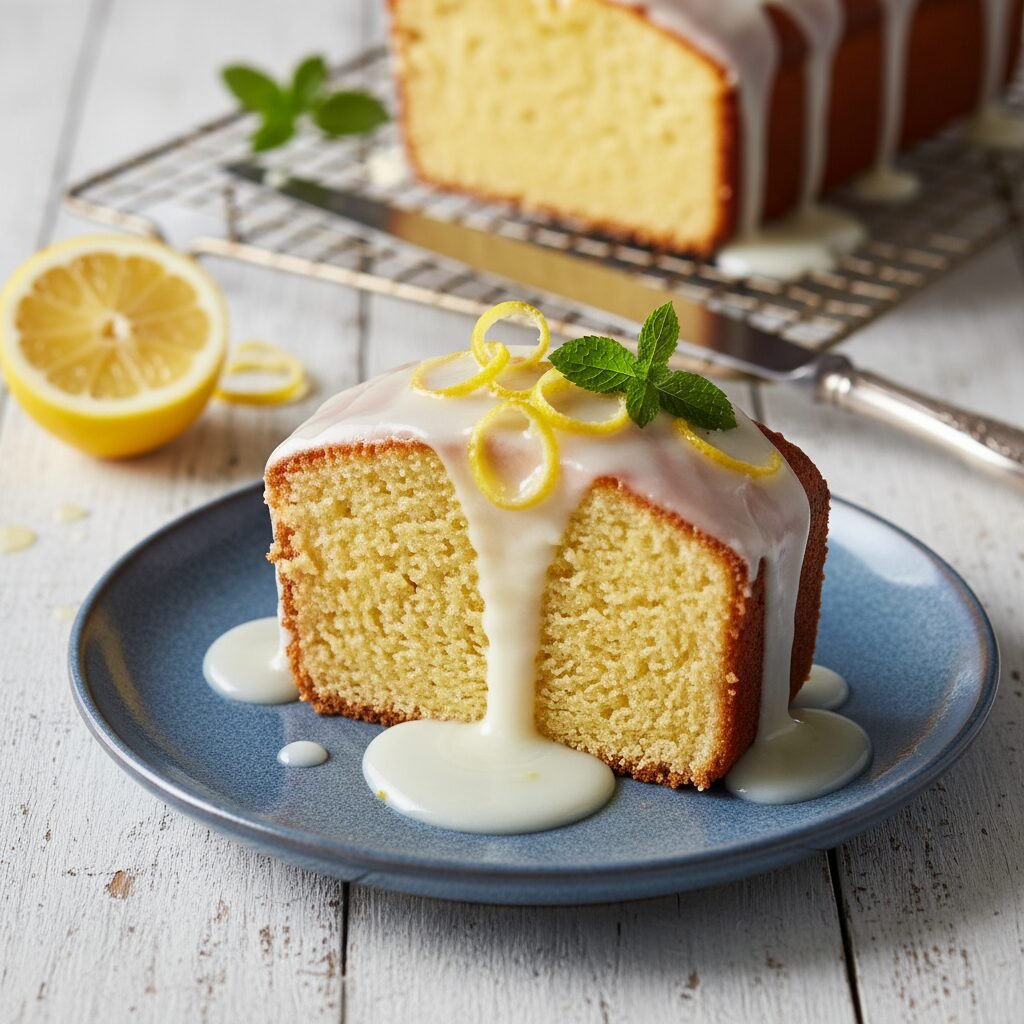
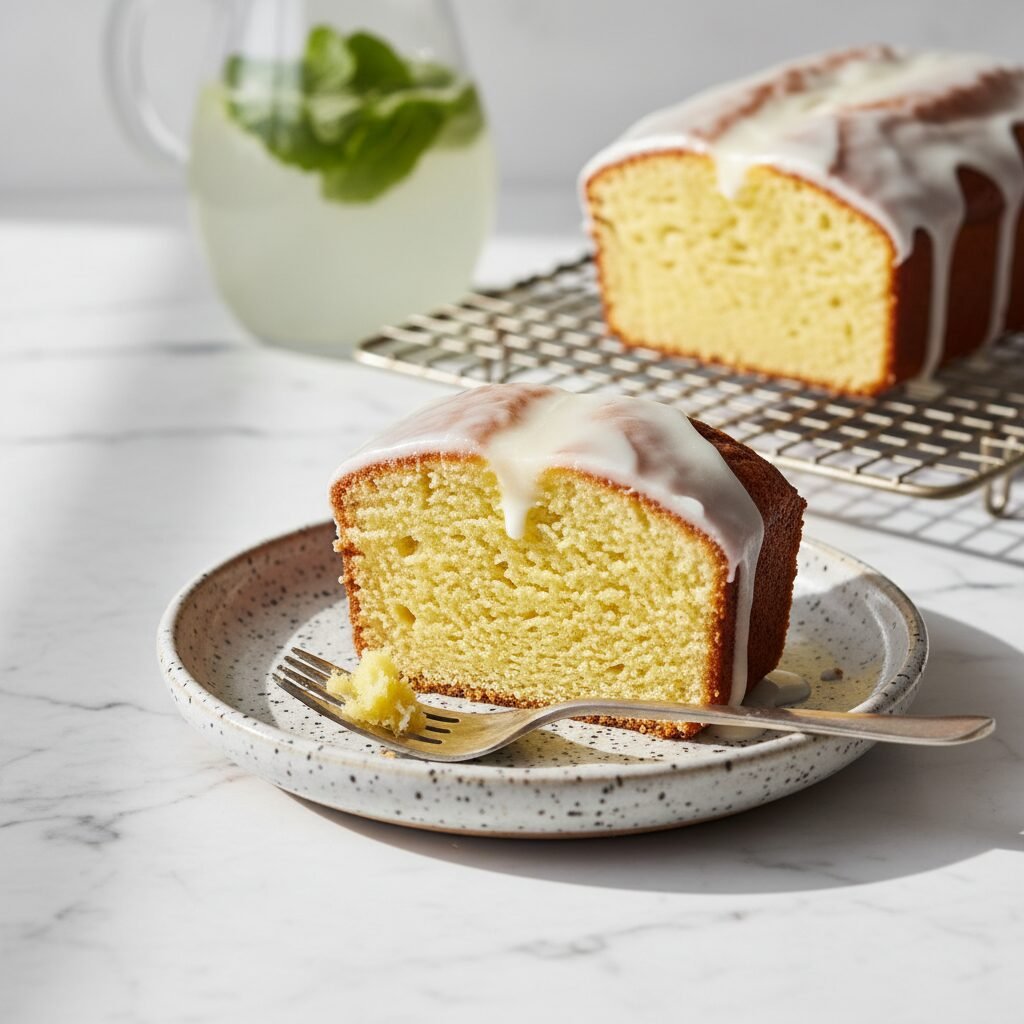
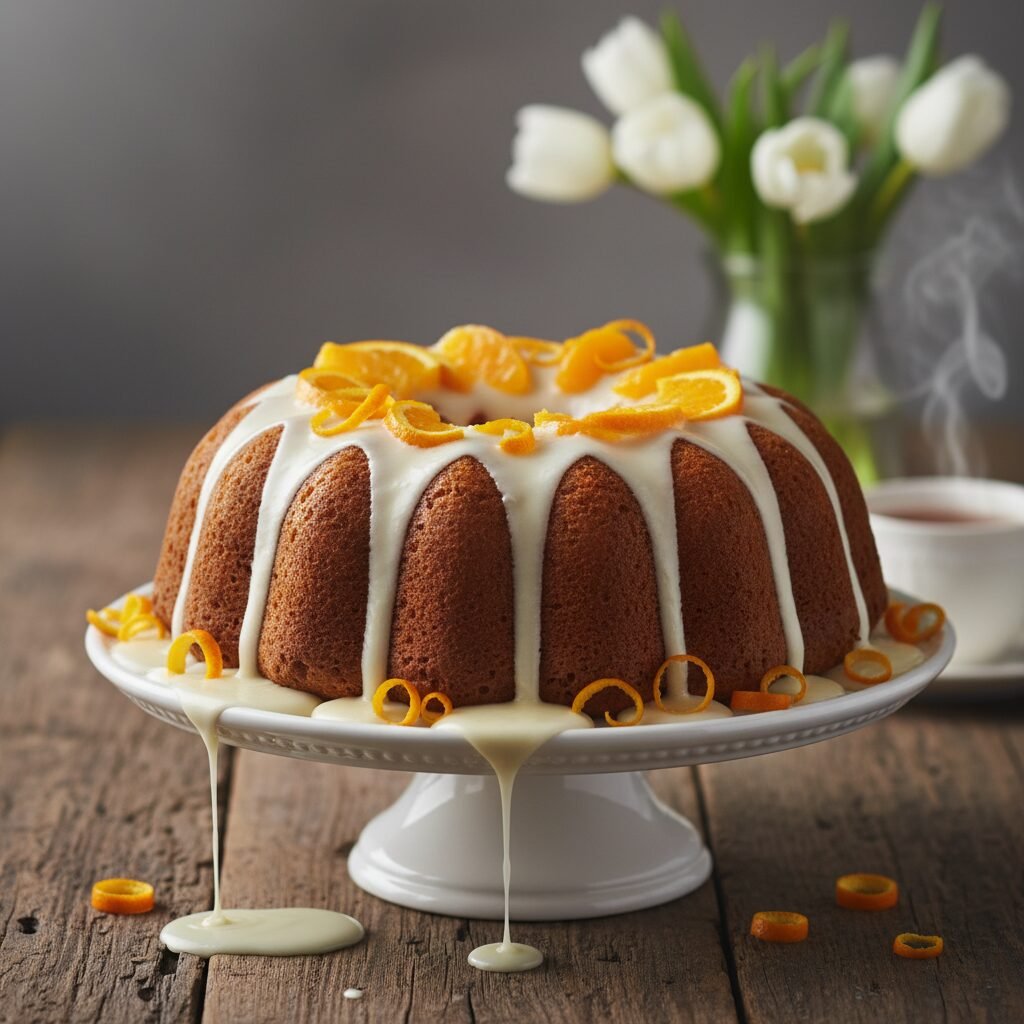
Bursting with fresh citrus flavor and boasting an incredibly tender crumb, this Moist Orange Bundt Cake is the sunshine your dessert table needs. Topped with a silky, sweet orange glaze, it is the perfect balance of bright zest and buttery richness.
20 minutes
55 minutes
1 hour 15 minutes
12 servings
Dessert
Baking
American
Vegetarian
There is something inherently cheerful about baking with citrus. As the zest hits the bowl, the kitchen fills with a bright, aromatic promise of the deliciousness to come. This Moist Orange Bundt Cake is a celebration of that feeling—a dessert that is sophisticated enough for a dinner party yet comforting enough for a casual Sunday brunch. Unlike many sponge cakes that can dry out easily, this recipe relies on a specific combination of fats and acids to ensure a texture that remains moist for days. The crumb is dense but velvety, similar to a high-quality pound cake, but with a lightness provided by the acidity of fresh orange juice.
We don’t just use the juice here; we utilize the zest, rubbed directly into the sugar, to release essential oils that permeate every bite. The result is a cake that isn’t just ‘orange-flavored’ but deeply infused with the essence of the fruit. The glaze, a simple mixture of confectioners’ sugar and fresh juice, acts as a seal, locking in moisture while adding a sugary crunch that contrasts beautifully with the soft interior. Whether you are an experienced baker or a novice, this bundt cake offers a high reward for relatively low effort, making it a staple recipe you will return to time and time again. It pairs wonderfully with a hot cup of Earl Grey tea or a dark roast coffee, cutting through the richness with its zesty profile.
History & Origins
The history of the Bundt cake is a fascinating journey through American culinary evolution, rooted in European tradition. The word ‘Bundt’ is derived from the German word ‘Bundkuchen,’ a donut-shaped cake that was popular in Germany, Austria, and Hungary. These cakes were traditionally known as Gugelhupf. However, the Bundt cake as we know it today is a distinctly American phenomenon, largely thanks to H. David Dalquist, the founder of Nordic Ware. In 1950, Dalquist was approached by members of the Minneapolis chapter of the Hadassah Society who wanted a modern version of the traditional ceramic Gugelhupf molds they had used in the old country. Dalquist cast the first aluminum pans, trademarking the name ‘Bundt’ by adding a ‘t’ to the end of ‘Bund’.
For over a decade, the pan sold poorly. It wasn’t until the 1966 Pillsbury Bake-Off, where Ella Helfrich won second place with her ‘Tunnel of Fudge’ cake baked in a Nordic Ware Bundt pan, that the shape exploded in popularity. Overnight, the Bundt pan became a must-have in every American kitchen. Since then, the Bundt has transcended its mid-century origins. While the Tunnel of Fudge was the catalyst, fruit-based Bundts, particularly citrus ones like this orange variation, became staples in the 1970s and 80s. They represented a shift towards fresh, vibrant flavors in American home baking, moving away from the heavier, spice-laden cakes of previous eras. Today, the Orange Bundt Cake stands as a classic example of how a simple vessel can transform a standard batter into an elegant centerpiece.
Why This Recipe Works
This recipe succeeds where others fail due to the precise balance of fat, sugar, and acidity. First, we employ the ‘reverse creaming’ technique or a modified creaming method where we rub the orange zest into the granulated sugar before adding the butter. Sugar crystals are abrasive; by rubbing the zest against them, we rupture the oil cells in the zest, releasing the potent orange oil directly into the sugar. This ensures the flavor is evenly distributed throughout the batter rather than getting lost or baked out.
Secondly, the moisture content is guaranteed by using both butter and sour cream (or full-fat Greek yogurt). Butter provides the classic flavor and tender mouthfeel, while the thick, acidic nature of sour cream breaks down the gluten strands in the flour, preventing the cake from becoming tough or rubbery. The acidity from the fresh orange juice further aids in tenderizing the crumb. Additionally, baking this in a Bundt pan is crucial for this type of dense batter. The central tube allows heat to penetrate the middle of the cake, ensuring it bakes evenly without drying out the edges, which is often a risk with heavy, fruit-based batters in standard round pans.
Why You’ll Love This Recipe
- ✓Intense natural orange flavor using both zest and juice.
- ✓Stays moist for days thanks to the secret ingredient: sour cream.
- ✓Beautiful presentation with minimal decorating effort.
- ✓Freezer-friendly, making it perfect for make-ahead events.
- ✓The glaze sets into a perfect, sweet crust.
Equipment You’ll Need
- ✓10-12 cup Bundt pan
- ✓Stand mixer or electric hand mixer
- ✓Large mixing bowls
- ✓Microplane or zester
- ✓Citrus juicer
- ✓Wire cooling rack
- ✓Rubber spatula
- ✓Whisk
Ingredients
- ✓3 cups all-purpose flour
- ✓1/2 teaspoon baking soda
- ✓1/2 teaspoon baking powder
- ✓1 teaspoon salt
- ✓1 cup unsalted butter, softened
- ✓2 cups granulated sugar
- ✓3 tablespoons fresh orange zest (approx. 3 oranges)
- ✓4 large eggs, room temperature
- ✓1 teaspoon pure vanilla extract
- ✓1 cup sour cream, room temperature
- ✓1/3 cup fresh orange juice
- ✓2 cups powdered sugar (for glaze)
- ✓3-4 tablespoons fresh orange juice (for glaze)
Instructions
- Preheat your oven to 350°F (175°C). Thoroughly grease your Bundt pan with butter or non-stick baking spray, ensuring every crevice is coated. Dust with flour and tap out the excess.
- In a medium bowl, whisk together the flour, baking soda, baking powder, and salt. Set aside.
- In the bowl of a stand mixer, combine the granulated sugar and orange zest. Use your fingers to rub the zest into the sugar until the mixture is fragrant and resembles wet sand.
- Add the softened butter to the sugar mixture. Beat on medium-high speed for about 3-5 minutes until light and fluffy. Scrape down the sides of the bowl as needed.
- Add the eggs one at a time, beating well after each addition. Mix in the vanilla extract.
- Reduce the mixer speed to low. Add one-third of the flour mixture, followed by half of the sour cream. Repeat, ending with the flour mixture. Mix just until combined—do not overmix.
- With the mixer running on low, slowly pour in the 1/3 cup of orange juice. Mix until just incorporated.
- Pour the batter into the prepared Bundt pan and smooth the top with a spatula. Tap the pan gently on the counter to release any air bubbles.
- Bake for 50-60 minutes, or until a toothpick inserted into the center comes out clean or with just a few moist crumbs.
- Remove from the oven and let the cake cool in the pan for exactly 10 minutes. Then, invert onto a wire rack to cool completely.
- While the cake cools, prepare the glaze. Whisk together the powdered sugar and 3-4 tablespoons of orange juice until smooth. Adjust consistency by adding more juice (thinner) or sugar (thicker).
- Drizzle the glaze over the completely cooled cake. Garnish with extra zest if desired.
Expert Cooking Tips
- ✓Room temperature ingredients are non-negotiable; they emulsify better creating a finer crumb.
- ✓Don’t skimp on greasing the pan; Bundt pans are notorious for sticking.
- ✓Rub the zest into the sugar manually to extract maximum flavor oils.
- ✓Measure flour by spooning it into the cup and leveling it off, rather than scooping, to avoid a dense cake.
- ✓Cool in the pan for exactly 10 minutes; too short and it breaks, too long and it sticks.
- ✓Use fresh orange juice, not bottled, for the brightest flavor.
Substitutions and Variations
Baking is a science, but there is some room for flexibility in this recipe. If you do not have sour cream, full-fat plain Greek yogurt is an excellent 1:1 substitute that maintains the moisture and acidity required. For a dairy-free version, you can use a high-quality plant-based butter and a coconut milk yogurt, though the texture may be slightly less rich. If you prefer a different citrus profile, this recipe adapts beautifully to lemons, grapefruits, or blood oranges—simply swap the zest and juice in equal quantities. For the flour, cake flour can be used for an even lighter crumb, but all-purpose flour provides the best structure for a heavy Bundt shape. If you are out of fresh oranges, you can use high-quality bottled juice and 1 teaspoon of orange extract, but the flavor will lack the floral notes of fresh zest.
Common Mistakes to Avoid
The most common mistake with Bundt cakes is improper pan preparation. Even non-stick pans need to be greased and floured thoroughly; consider using a baking spray containing flour for the best release. Another frequent error is overmixing the batter once the flour is added. Overmixing develops gluten, which leads to a tough, rubbery cake rather than a tender one. Additionally, opening the oven door too early can cause the cake to sink. Trust the timing and only check when you are near the end of the baking window. Finally, glazing a warm cake is a mistake—the glaze will simply melt and slide off. Ensure the cake is completely cool to the touch before adding the topping.
Serving Suggestions
This cake is stunning enough to be served on its own, but a few additions can elevate it. Serve slices with a dollop of lightly sweetened whipped cream or a scoop of vanilla bean ice cream to cut through the citrus tang. Fresh berries, particularly raspberries or blackberries, make a beautiful and delicious garnish on the plate. For a brunch setting, pair this with a mimosa or a hot cappuccino. If you want to make it extra fancy for a holiday, garnish with candied orange slices or edible flowers.
Storage and Reheating Tips
This cake stores exceptionally well due to its high moisture content. Keep it in an airtight container at room temperature for up to 3 days. If you live in a very hot or humid climate, you may store it in the refrigerator for up to 5 days, but bring it to room temperature before serving for the best texture. The cake also freezes beautifully. You can freeze individual slices wrapped in plastic wrap and foil for up to 3 months, or freeze the whole unglazed cake. Thaw overnight in the refrigerator and glaze before serving.
Nutrition Facts (Estimated)
| Serving Size | 1 slice |
| Calories | 420 |
| Fat | 18g |
| Saturated Fat | 11g |
| Unsaturated Fat | 6g |
| Trans Fat | 0g |
| Cholesterol | 85mg |
| Sodium | 180mg |
| Carbohydrates | 58g |
| Fiber | 1g |
| Sugar | 32g |
| Protein | 5g |
Frequently Asked Questions
Why did my cake stick to the Bundt pan?
Sticking usually happens because the pan wasn’t greased thoroughly enough or the coating on the pan is old and scratched. Use a pastry brush to get butter into every groove, then flour it, or use a baking spray that includes flour.
Can I make this cake ahead of time?
Yes, this cake actually tastes better the next day as the flavors have time to meld. Bake it the day before you plan to serve it, store it airtight, and glaze it on the day of serving.
My cake turned out dry. What went wrong?
Dryness is usually caused by over-measuring flour (scooping instead of spoon-and-level) or overbaking. Check the cake 5 minutes before the recipe says it should be done.
Can I use gluten-free flour?
Yes, you can use a high-quality 1:1 gluten-free baking flour blend (like King Arthur or Bob’s Red Mill). The texture might be slightly different, but it generally works well.
Why did my cake sink in the middle?
Sinking can be caused by underbaking (the center wasn’t set), opening the oven door too early (releasing heat), or using expired baking powder/soda.
Do I have to use fresh orange juice?
While you can use bottled juice, fresh juice provides a much brighter, less artificial flavor. Since you need zest anyway, buying the oranges is worth it.
Can I use a regular cake pan instead of a Bundt pan?
Yes, you can split this batter between two 9-inch round cake pans or two loaf pans. However, you will need to reduce the baking time significantly, likely to 30-40 minutes.
How do I get the glaze to look like the pictures?
The key is consistency. The glaze should be thick like honey, not watery. If it’s too thin, add more powdered sugar. Pour it slowly over the highest points of the cake so it drips down naturally.
Conclusion
There are few things more satisfying than pulling a perfectly golden, aromatic Bundt cake out of the oven. This Moist Orange Bundt Cake is a testament to the power of simple, fresh ingredients coming together to create something extraordinary. Whether you are baking for a special occasion, a holiday gathering, or just to brighten up a rainy Tuesday, this recipe delivers consistent, delicious results. The burst of citrus provides a refreshing change from heavy chocolates and caramels, making it a year-round favorite. We hope this cake brings as much sunshine to your kitchen as it does to ours. Happy baking!