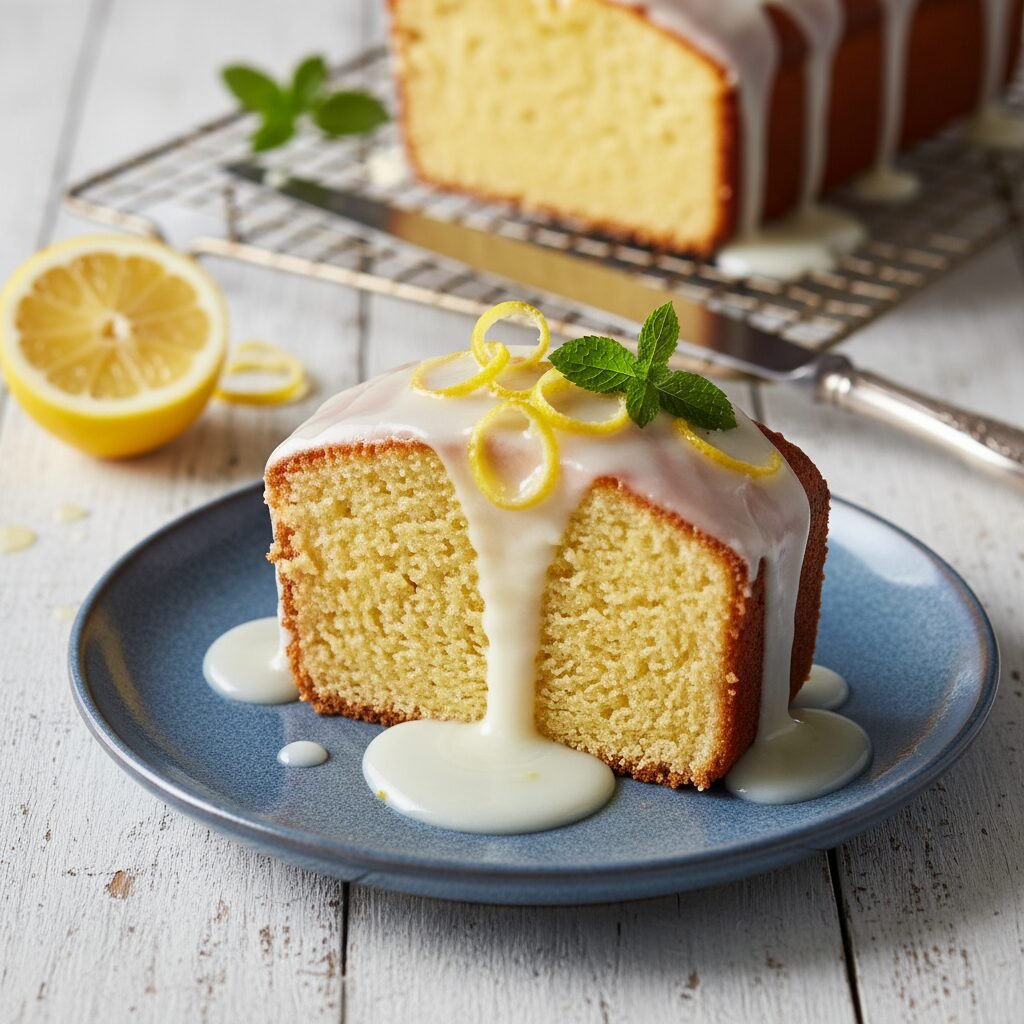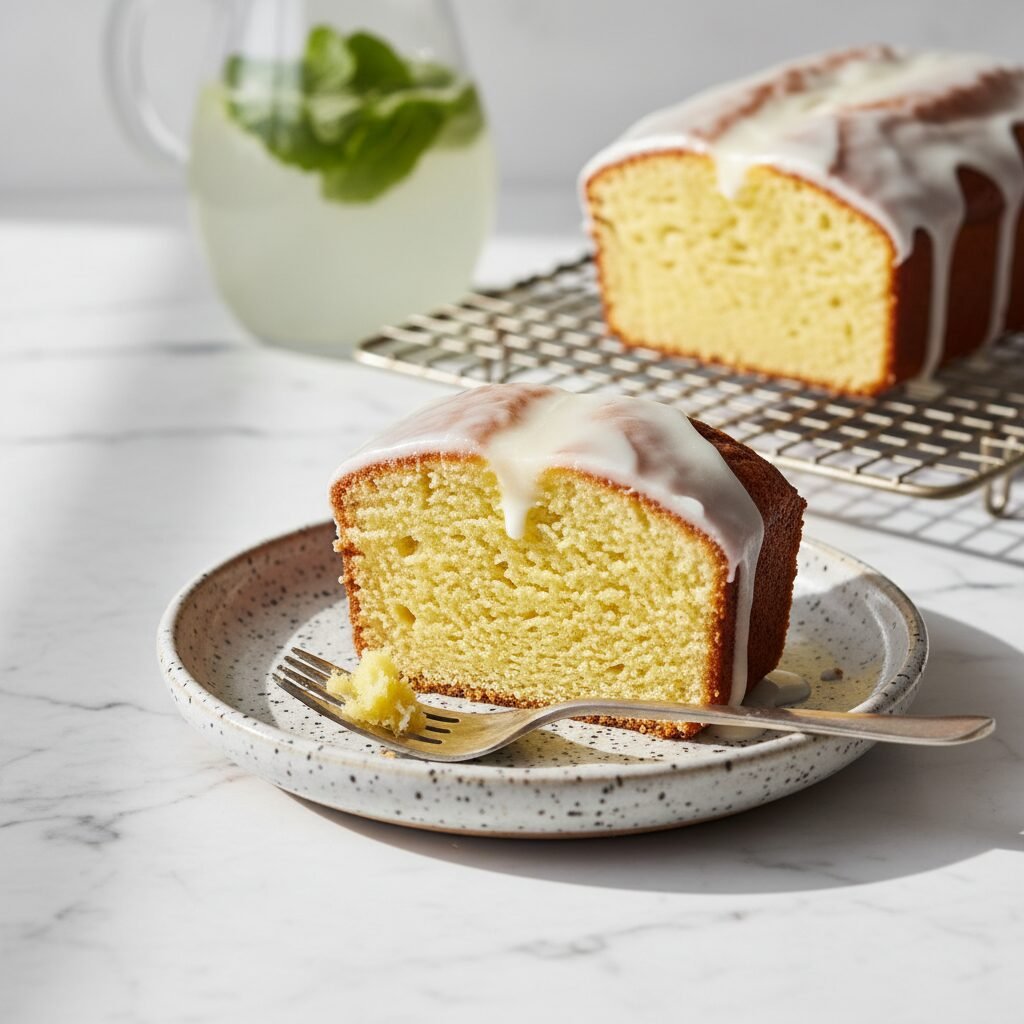
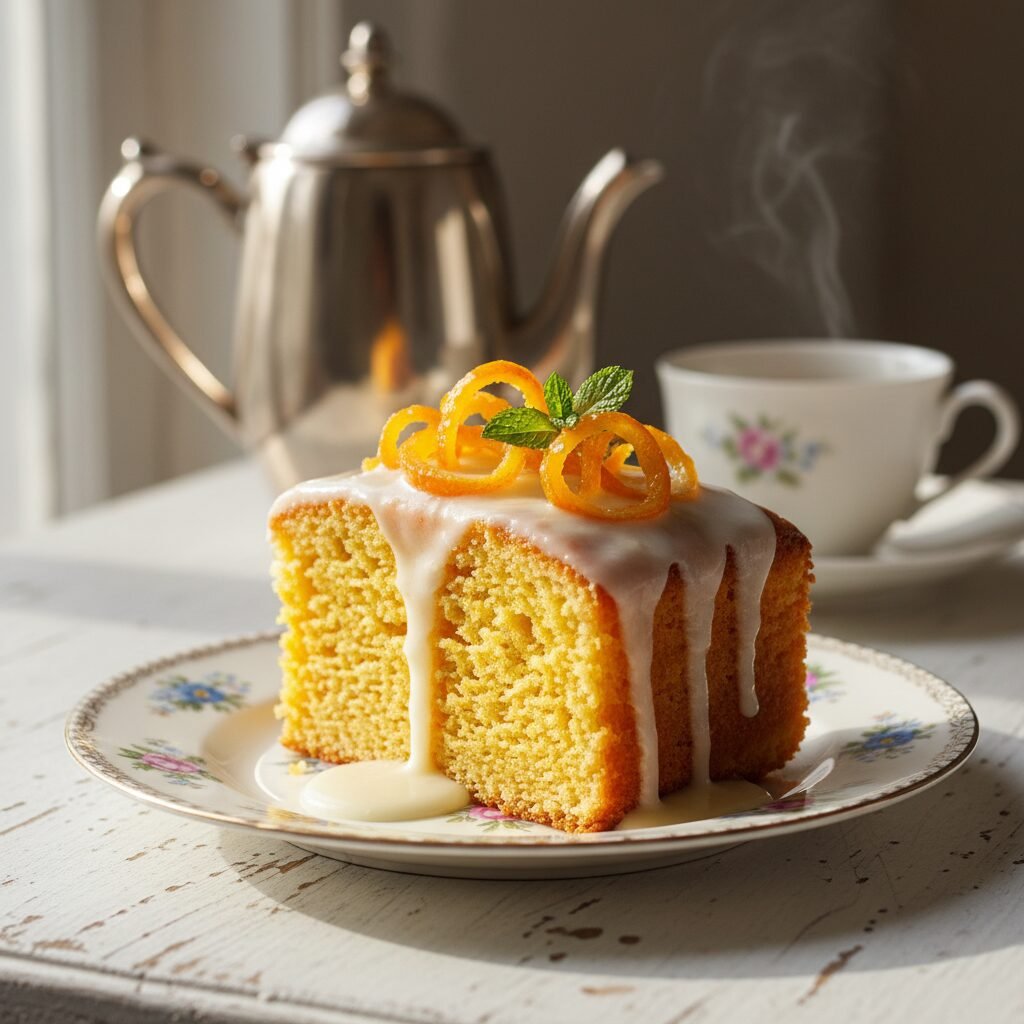
Moist Orange Cake For Afternoon Tea Recipe
Brighten up your afternoon with this incredibly moist and aromatic orange cake, perfect for tea time. Infused with fresh citrus zest and soaked in a tangy syrup, every bite is a balance of sweet sunshine and tender crumb.
20 minutes
45 minutes
1 hour 15 minutes
1 Loaf (8-10 Servings)
Dessert
Baking
British / American
Vegetarian
There is something undeniably magical about the ritual of afternoon tea. It is a pause button in the middle of a chaotic day, a moment to breathe, reset, and indulge in a small luxury. While the tea itself is important, the centerpiece of this ritual is undoubtedly the treat that accompanies it. Enter the Moist Orange Cake, a confection that captures the essence of sunshine on a plate. This is not just another dry sponge cake; it is a celebration of citrus in its most glorious form. The aroma alone—wafting from the oven with notes of caramelized sugar and bright orange zest—is enough to lift your spirits before you even take a bite. The texture is the real star here. Thanks to a specific combination of fats and a post-bake syrup soak, the crumb remains tender, dense yet fluffy, and impossibly moist for days. It pairs perfectly with the tannins of a strong Earl Grey or the floral notes of a Jasmine green tea, cutting through the richness with its zesty profile. Whether you are hosting a formal gathering or simply treating yourself to a quiet moment with a book, this cake transforms a simple snack into an occasion. In this recipe, we explore how to maximize citrus flavor without bitterness and how to achieve that elusive melt-in-your-mouth texture that defines the perfect tea cake.
History & Origins
The tradition of Afternoon Tea is often attributed to Anna, the Duchess of Bedford, in the early 1840s. At the time, it was common to eat only two main meals a day: breakfast and a late dinner around 8 PM. Finding herself suffering from a ‘sinking feeling’ in the late afternoon, the Duchess began requesting a tray of tea, bread and butter, and cake to be brought to her room. This private indulgence quickly evolved into a social event, and soon, upper-class society was donning their finest attire for ‘low tea’ (served on low tables like coffee tables). Citrus cakes have a parallel history that intertwines with this tradition. Oranges, originally native to Southeast Asia, were once a luxury commodity in Europe, grown in the orangeries of the wealthy or imported at great cost from the Mediterranean. To bake a cake with oranges was a display of status and wealth. The earliest iterations were likely dense fruitcakes or yeast-leavened breads enriched with candied peel. As baking powder became commercially available in the mid-19th century, the heavy cakes gave way to the lighter, chemically leavened sponges we recognize today. The ‘drizzle’ cake technique—pouring a syrup over the hot cake—is a more modern British innovation designed to extend the shelf life and moisture content of the cake, ensuring it remains palatable for the duration of a long afternoon visit. Today, the orange cake remains a staple of the tea table, symbolizing a bridge between the historic luxury of citrus and the cozy accessibility of modern home baking.
Why This Recipe Works
This recipe succeeds where many others fail because it attacks the problem of dryness and lack of flavor on three separate fronts: mechanical infusion, fat balance, and saturation. First, we utilize the ‘mechanical infusion’ technique by rubbing the fresh orange zest directly into the granulated sugar before mixing. Sugar is abrasive and hygroscopic; rubbing the zest breaks down the oil cells in the peel, releasing the essential oils directly into the sugar crystals. This ensures the flavor is baked into the very structure of the cake, rather than just floating in the batter. Second, regarding fat balance, this recipe uses a combination of butter and full-fat Greek yogurt (or sour cream). Butter provides the iconic flavor and aeration capabilities needed for a light crumb, while the yogurt introduces acidity and protein. The acidity interacts with the baking soda to create a finer crumb, while the extra fat and milk solids keep the gluten strands short, resulting in tenderness. Finally, the ‘saturation’ step involves poking holes in the warm cake and pouring over a fresh orange juice syrup. This does two things: it adds a second layer of fresh, unbaked citrus flavor that is brighter than the baked notes, and it physically adds moisture back into the sponge, effectively sealing it against staling. The result is a cake that actually improves in texture the day after it is baked.
Why You’ll Love This Recipe
- ✓Infused with triple orange flavor: zest, juice, and syrup.
- ✓Stays moist for up to 4 days thanks to the yogurt and syrup soak.
- ✓Perfect density: sturdy enough to hold a slice, soft enough to melt in your mouth.
- ✓Requires simple, standard pantry ingredients.
- ✓Elegant presentation with a simple glaze and candied peel.
- ✓Ideal pairing for black teas, green teas, or coffee.
Equipment You’ll Need
- ✓9×5 inch Loaf Pan
- ✓Stand Mixer or Hand Mixer
- ✓Microplane Zester
- ✓Medium Mixing Bowls
- ✓Whisk
- ✓Cooling Rack
- ✓Skewer or Toothpick
- ✓Saucepan (small)
Ingredients
- ✓1 1/2 cups All-Purpose Flour
- ✓1 1/2 tsp Baking Powder
- ✓1/2 tsp Baking Soda
- ✓1/2 tsp Salt
- ✓1 cup Granulated Sugar
- ✓2 tbsp Fresh Orange Zest (approx. 2 medium oranges)
- ✓1/2 cup Unsalted Butter, softened to room temperature
- ✓2 Large Eggs, room temperature
- ✓1/3 cup Fresh Orange Juice (for batter)
- ✓1/2 cup Full-Fat Greek Yogurt or Sour Cream
- ✓1 tsp Vanilla Extract
- ✓FOR THE SYRUP: 1/4 cup Fresh Orange Juice + 2 tbsp Granulated Sugar
- ✓FOR THE GLAZE: 1 cup Powdered Sugar + 1-2 tbsp Fresh Orange Juice
Instructions
- 1. Preheat your oven to 350°F (175°C). Grease a 9×5 inch loaf pan generously with butter and dust with flour, or line it with parchment paper leaving an overhang for easy removal.
- 2. In a small bowl, whisk together the flour, baking powder, baking soda, and salt. Set aside.
- 3. In the bowl of a stand mixer (or a large bowl), combine the granulated sugar and fresh orange zest. Use your fingertips to rub the zest into the sugar until the mixture looks like wet sand and is very fragrant. This releases the essential oils.
- 4. Add the softened butter to the sugar-zest mixture. Beat on medium-high speed for 3-4 minutes until pale, light, and fluffy. Do not rush this step; it creates the air structure.
- 5. Add the eggs one at a time, beating well after each addition. Scrape down the sides of the bowl. Mix in the vanilla extract.
- 6. In a measuring cup, whisk together the 1/3 cup orange juice and the Greek yogurt.
- 7. Reduce the mixer speed to low. Add the flour mixture in three parts, alternating with the yogurt/juice mixture in two parts, starting and ending with the flour. Mix only until just combined to avoid over-developing the gluten.
- 8. Pour the batter into the prepared loaf pan and smooth the top with a spatula. Bake for 45-55 minutes, or until a toothpick inserted into the center comes out clean or with just a few moist crumbs.
- 9. While the cake bakes, make the syrup: In a small saucepan (or microwave-safe bowl), combine 1/4 cup orange juice and 2 tbsp sugar. Heat until the sugar dissolves completely. Set aside.
- 10. When the cake is done, remove from the oven. Let it cool in the pan for 10 minutes. Then, use a skewer to poke deep holes all over the top of the cake.
- 11. Spoon or brush the syrup over the warm cake, allowing it to soak into the holes.
- 12. Let the cake cool completely in the pan or on a wire rack before glazing.
- 13. Make the glaze: Whisk the powdered sugar with 1 tablespoon of orange juice, adding more juice teaspoon by teaspoon until you reach a thick but pourable consistency. Drizzle over the completely cooled cake.
Expert Cooking Tips
- ✓Room Temperature is Key: Ensure your butter, eggs, and yogurt are at room temperature. This allows them to emulsify properly, creating a uniform texture without curdling.
- ✓Zest First: Always zest your oranges before you juice them. It is nearly impossible to zest a squeezed orange.
- ✓Don’t Overmix: Once the flour is added, mix gently. Overmixing develops gluten, which leads to a tough, rubbery cake rather than a tender one.
- ✓The Soak: Don’t skip the syrup step. Even if the cake looks moist, the syrup adds a concentrated burst of flavor and creates a protective moisture barrier.
- ✓Pan Size Matters: If you use a dark metal pan, reduce the oven temperature by 25 degrees as they conduct heat faster and can brown the edges too quickly.
Substitutions and Variations
If you are catering to different dietary needs or have pantry gaps, there are several substitutions available. For a gluten-free version, use a high-quality 1:1 gluten-free flour blend that contains xanthan gum; the texture will remain surprisingly similar due to the moisture content. If you are out of Greek yogurt, full-fat sour cream is the best direct substitute. In a pinch, you can use buttermilk, though the batter will be slightly thinner. For a dairy-free option, use a plant-based butter stick (not tub margarine) and a thick coconut yogurt or almond milk yogurt; the flavor profile will shift slightly but remain delicious. You can also swap the citrus: this recipe works beautifully with lemons (reduce zest slightly as lemon is more potent), blood oranges for a stunning color, or grapefruits for a more sophisticated, bitter-sweet profile. If you want to reduce refined sugar, you can use coconut sugar for the cake, though it will darken the color significantly.
Common Mistakes to Avoid
The most common mistake with this cake is overbaking. Because of the high sugar and fruit content, the crust can darken before the center is fully set. If you notice the top browning too fast, tent it loosely with aluminum foil after 30 minutes. Another mistake is adding the eggs too quickly to the butter-sugar mixture, which can cause the batter to break or curdle; add them slowly and ensure they are room temperature. A frequent error involves the glaze: applying the glaze while the cake is still warm will cause it to melt and slide right off, disappearing into the crumb rather than sitting beautifully on top. Finally, be careful when zesting not to include the white pith beneath the orange skin, as this will introduce an unpleasant bitterness that sugar cannot mask.
Serving Suggestions
This cake is the quintessential afternoon tea treat. Serve it in thick slices on delicate china plates. It pairs exceptionally well with a classic Earl Grey tea, where the bergamot notes complement the orange, or a smoky Lapsang Souchong for contrast. For a more dessert-like presentation, serve a slice with a dollop of unsweetened crème fraîche or mascarpone cheese to balance the sweetness of the glaze. Fresh berries, particularly raspberries or blackberries, add a nice tart contrast and visual appeal. If serving for a brunch, it goes lovely with a mimosa or a hot cup of black coffee. In the summer, you can serve it with a scoop of vanilla bean ice cream.
Storage and Reheating Tips
This cake has excellent keeping qualities thanks to the syrup soak. It can be stored at room temperature in an airtight container for up to 3 days. In fact, the flavor often develops and improves on the second day. For longer storage, wrap the cake tightly in plastic wrap and store it in the refrigerator for up to 1 week; however, bring it back to room temperature before serving to ensure the butter softens for the best texture. This cake also freezes beautifully. You can freeze the whole loaf (unglazed is best) or individual slices. Wrap tightly in plastic wrap followed by a layer of aluminum foil to prevent freezer burn. It will keep in the freezer for up to 3 months. Thaw on the counter for a few hours before glazing and serving.
Nutrition Facts (Estimated)
| Serving Size | 1 Slice |
| Calories | 320 |
| Fat | 14g |
| Saturated Fat | 8g |
| Unsaturated Fat | 5g |
| Trans Fat | 0g |
| Cholesterol | 65mg |
| Sodium | 180mg |
| Carbohydrates | 45g |
| Fiber | 1g |
| Sugar | 24g |
| Protein | 4g |
Frequently Asked Questions
Can I make this cake in a bundt pan?
Yes, but you will need to double the recipe for a standard 10-12 cup bundt pan. The baking time will increase to approximately 55-65 minutes. Be sure to grease the bundt pan very thoroughly.
Why did my cake sink in the middle?
Sinking usually happens if the oven door was opened too early (letting heat escape), if the cake was underbaked, or if there was too much leavening agent (baking powder/soda). Ensure your oven temperature is accurate using an oven thermometer.
Can I use store-bought orange juice?
Technically yes, but fresh is significantly better. Store-bought juice often has added sugars and lacks the bright, floral acidity of fresh squeezed juice. The zest is mandatory for the real flavor, so you will need fresh oranges anyway.
My batter looks curdled after adding eggs, is it ruined?
No, it is fine! This happens if there is a temperature difference between the butter and eggs. Once you add the flour, the batter will come back together and smooth out.
Can I reduce the sugar in this recipe?
You can reduce the sugar in the cake by about 1/4 cup without ruining the structure, but the texture may be less tender. Do not skip the sugar in the syrup, as it helps preserve the cake.
How do I get the glaze to look white and opaque?
Use less liquid. Start with the powdered sugar and add juice by the teaspoon. A thick, paste-like glaze will settle into a smooth, opaque white layer, whereas a runny glaze will turn translucent.
Can I use olive oil instead of butter?
You can substitute half the butter for olive oil for a more Mediterranean flavor and a very moist crumb, but keeping some butter is recommended for the classic fluffy texture.
What is the best way to zest an orange?
Use a Microplane or fine grater. Grate only the bright orange outer layer, rotating the fruit constantly. Stop as soon as you see the white pith.
Can I add poppy seeds to this recipe?
Absolutely! Add 1 to 2 tablespoons of poppy seeds with the dry ingredients for a classic Orange Poppy Seed variation.
Is the syrup step necessary?
It is highly recommended. While the cake is good without it, the syrup is what transforms it from a ‘good’ sponge to a ‘bakery-quality’ moist cake.
Conclusion
In the world of baking, few things are as rewarding as a recipe that delivers high impact with relatively low effort, and this Moist Orange Cake does exactly that. It captures the nostalgic comfort of a homemade loaf while offering the sophistication required for a proper afternoon tea spread. The interplay of the buttery crumb, the sharp citrus zest, and the sweet, crackly glaze creates a sensory experience that store-bought pastries simply cannot replicate. Whether you are an experienced baker or a novice looking to impress, this recipe is a reliable, forgiving, and utterly delicious addition to your repertoire. So, put the kettle on, zest those oranges, and get ready to enjoy a slice of sunshine.