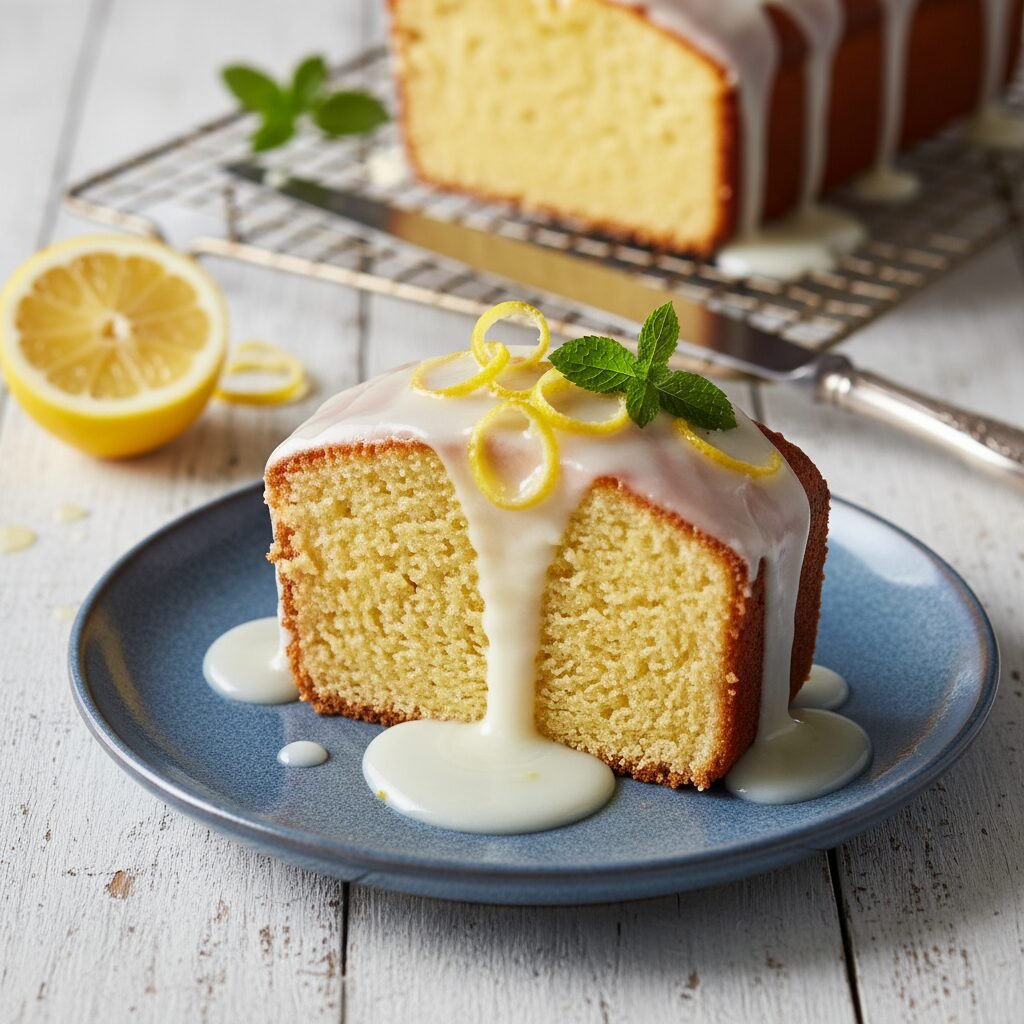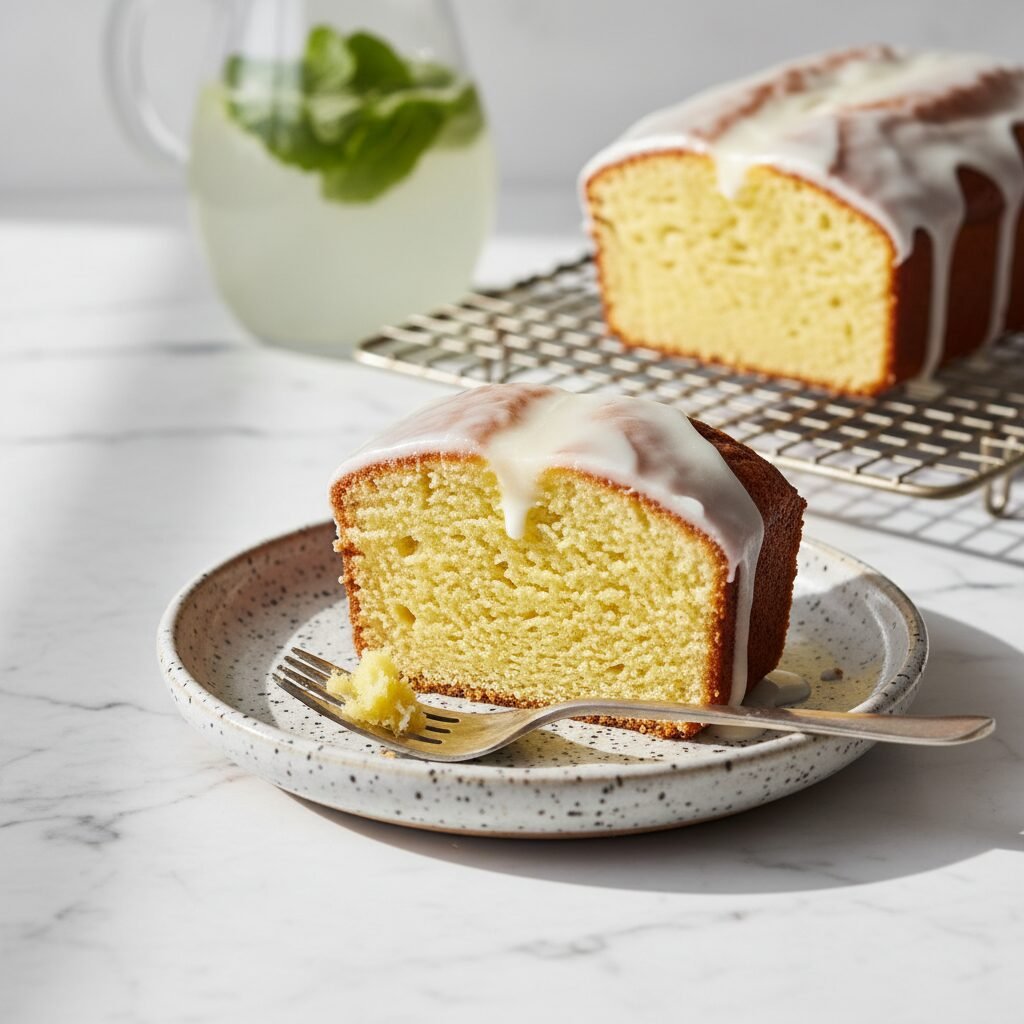
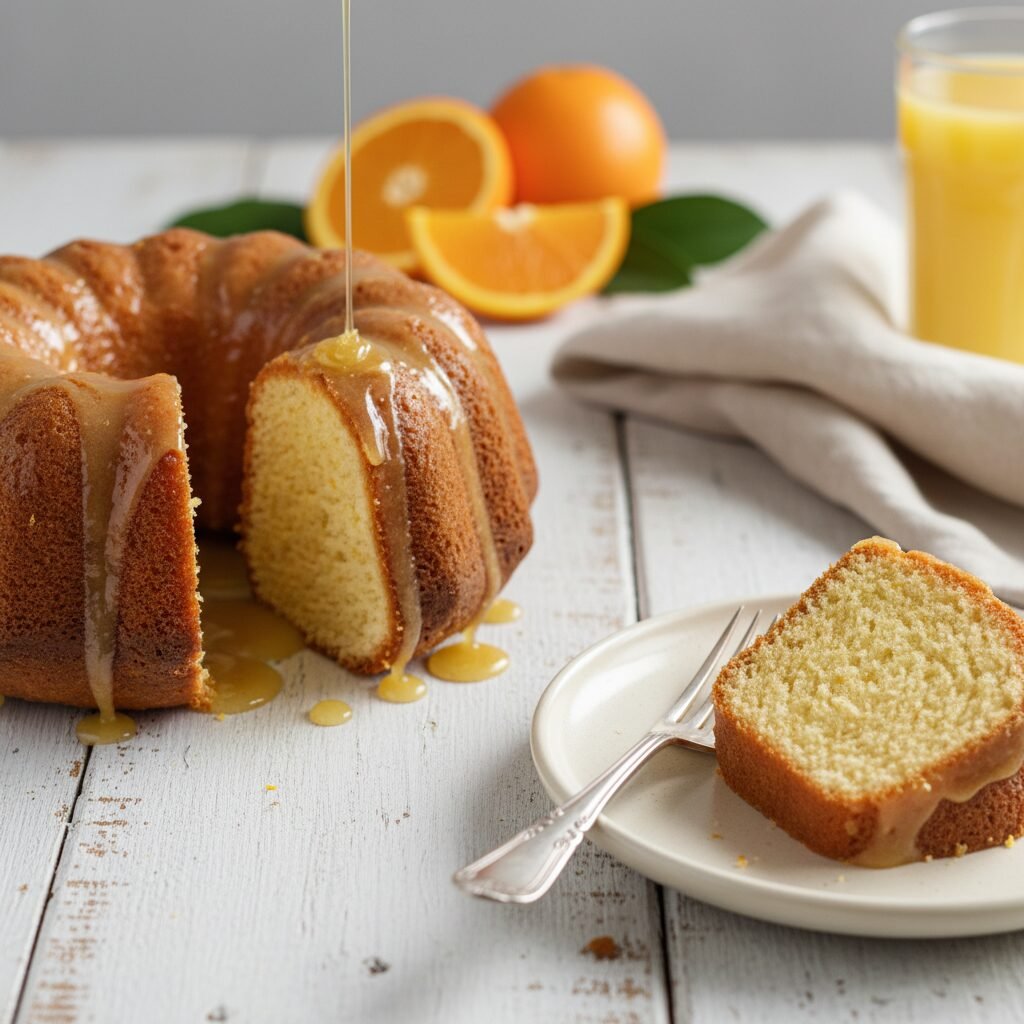
Moist Orange Cake With Citrus Glaze Recipe
Brighten up your baking repertoire with this incredibly moist orange cake, bursting with fresh citrus flavor and topped with a luscious, dripping glaze. Perfect for brunch, afternoon tea, or a sweet dessert, this recipe uses fresh zest and juice to deliver a sunshine-filled bite every time.
20 minutes
50 minutes
1 hour 20 minutes
10-12 servings
Dessert
Baking
American
Vegetarian
There is something undeniably magical about the scent of fresh oranges filling a kitchen. It is a fragrance that cuts through the greyest of days, promising warmth, sunshine, and comfort. This Moist Orange Cake with Citrus Glaze is not just a dessert; it is an experience in aromatherapy and culinary delight. Unlike many fruit-flavored cakes that rely on artificial extracts or heavy syrups, this recipe champions the humble orange in its entirety. We utilize the vibrant, oil-rich zest to infuse the sugar before the batter is even mixed, and we incorporate freshly squeezed juice to ensure a crumb that is tender, fragrant, and deeply flavorful.
The texture of this cake is what truly sets it apart. It sits perfectly at the intersection of a dense pound cake and a fluffy sponge. Thanks to the inclusion of sour cream (or Greek yogurt) and a careful balance of fats, the crumb remains moist for days—if it lasts that long! The citrus glaze, poured over the cake while it is still slightly warm, creates a delicate, sugary crust that seals in the moisture while adding an extra punch of tart sweetness. Whether you are an experienced baker looking for a reliable centerpiece or a novice wanting to impress guests with something that looks and tastes professional, this orange cake is your answer. It pairs beautifully with a hot cup of Earl Grey tea or a strong black coffee, making it a versatile addition to your recipe box. Get ready to zest, squeeze, and bake your way to citrus heaven.
History & Origins
The history of citrus cakes is a journey that spans centuries and continents, tracing the path of the orange itself. Oranges, originally cultivated in Southeast Asia, traveled along the Silk Road and were introduced to the Mediterranean by Arab traders around the 10th century. However, these early oranges were the bitter variety (Seville oranges). It wasn’t until the 15th and 16th centuries that sweet oranges made their way to Europe, becoming a symbol of wealth and luxury among the aristocracy. In these early days, citrus peels were often candied or preserved in syrup to be used in heavy fruitcakes or yeasted breads.
The concept of a lighter, citrus-infused sponge cake began to take shape with the evolution of baking powder and refined sugar in the 19th century. In the United States, ‘Sunshine Cakes’ or ‘Orange Chiffon Cakes’ gained immense popularity in the early to mid-20th century, particularly in Florida and California where citrus groves flourished. The post-war era saw a boom in Bundt cakes and pound cakes that utilized fresh fruit juice as a liquid component. This specific style of moist orange cake draws inspiration from the classic Mediterranean olive oil cakes—known for their longevity and moist crumb—and the buttery richness of American pound cakes. It represents a culinary convergence where the brightness of the fruit is used to cut through the richness of the batter, a technique refined over generations of home bakers seeking to capture the essence of summer in a baking pan.
Why This Recipe Works
This recipe succeeds where others fail due to three critical chemical and physical interactions: the infusion of citrus oils, the acidity of the dairy, and the temperature of the glaze application. First, we employ a technique known as ‘rubbing in.’ By manually rubbing the orange zest into the granulated sugar before adding any other ingredients, we use the abrasive texture of the sugar crystals to rupture the oil glands in the zest. This releases potent essential oils directly into the sugar, ensuring the orange flavor is evenly distributed throughout the batter rather than getting lost during the bake.
Secondly, the inclusion of sour cream or full-fat Greek yogurt provides necessary acidity. This acid reacts with the baking soda to create lift, but more importantly, it tenderizes the gluten strands in the flour. This results in a soft, velvety crumb that is sturdy enough to hold its shape but melts in the mouth. The fat content in the sour cream also contributes to the perceived moistness and richness without making the cake greasy. Finally, the glazing technique is paramount. Pouring the glaze over the cake while it is still warm allows the liquid to permeate the top layers of the crumb, infusing it with moisture and flavor, while the sugar on the surface crystallizes as it cools to form that desirable, crackly finish. This dual-action glazing prevents the cake from drying out and adds a concentrated burst of flavor in every bite.
Why You’ll Love This Recipe
- ✓Uses fresh orange zest and juice for natural flavor
- ✓Stays moist for days thanks to sour cream
- ✓Beautiful presentation perfect for holidays or brunch
- ✓Simple preparation with no fancy equipment needed
- ✓Versatile batter that can be made into muffins or a loaf
- ✓The glaze adds a delightful textural contrast
Equipment You’ll Need
- ✓Bundt pan or 9×5 Loaf Pan
- ✓Stand mixer or electric hand mixer
- ✓Microplane or fine zester
- ✓Citrus juicer
- ✓Large mixing bowl
- ✓Medium mixing bowl
- ✓Wire cooling rack
- ✓Whisk
- ✓Rubber spatula
Ingredients
- ✓2 cups All-purpose flour
- ✓1 1/2 tsp Baking powder
- ✓1/2 tsp Baking soda
- ✓1/2 tsp Salt
- ✓1 1/2 cups Granulated sugar
- ✓2 tbsp Fresh orange zest (approx. 2 oranges)
- ✓1/2 cup Unsalted butter, softened to room temperature
- ✓2 Large eggs, room temperature
- ✓1 tsp Pure vanilla extract
- ✓1 cup Sour cream or full-fat Greek yogurt, room temperature
- ✓1/3 cup Freshly squeezed orange juice
- ✓FOR THE GLAZE:
- ✓1 1/2 cups Powdered sugar, sifted
- ✓2-3 tbsp Fresh orange juice
- ✓1 tsp Fresh orange zest (optional, for garnish)
Instructions
- Preheat your oven to 350°F (175°C). Generously grease your Bundt pan or loaf pan with butter and dust with flour, tapping out the excess. Alternatively, use a baking spray containing flour.
- In a medium bowl, whisk together the flour, baking powder, baking soda, and salt. Set this dry mixture aside.
- In the bowl of your stand mixer (or a large bowl), combine the granulated sugar and the 2 tablespoons of fresh orange zest. Use your fingers to rub the zest into the sugar until the mixture resembles wet sand and is very fragrant. This releases the essential oils.
- Add the softened butter to the sugar-zest mixture. Beat on medium-high speed for about 3-4 minutes until the mixture is pale, light, and fluffy. Scrape down the sides of the bowl as needed.
- Add the eggs one at a time, beating well after each addition. Stir in the vanilla extract.
- Reduce the mixer speed to low. Add about one-third of the flour mixture to the butter mixture and mix until just combined.
- Add half of the sour cream and half of the orange juice, mixing gently.
- Repeat with another third of the flour, then the remaining sour cream and juice, and finish with the final portion of flour. Mix only until the flour streaks disappear. Do not overmix.
- Pour the batter into the prepared pan and smooth the top with a spatula. Tap the pan gently on the counter to release any large air bubbles.
- Bake for 45-55 minutes, or until a toothpick inserted into the center comes out clean or with just a few moist crumbs attached. If the top browns too quickly, tent loosely with aluminum foil after 30 minutes.
- Remove from the oven and let the cake cool in the pan for exactly 10 minutes. Then, carefully invert it onto a wire rack set over a baking sheet (to catch glaze drips).
- While the cake is cooling but still warm, prepare the glaze. Whisk together the powdered sugar and 2 tablespoons of orange juice until smooth. Add more juice, a teaspoon at a time, until you reach a pourable consistency that is thick like heavy cream.
- Pour the glaze over the warm cake, allowing it to drip down the sides. Top with extra zest if desired. Let the cake cool completely before slicing to allow the glaze to set and the crumb to firm up.
Expert Cooking Tips
- ✓Room temperature ingredients are non-negotiable; they emulsify better, creating a uniform crumb.
- ✓When zesting, avoid the white pith underneath the orange skin, as it is bitter.
- ✓Rubbing the zest into the sugar is the secret to the intense orange aroma.
- ✓Do not overmix the batter once the flour is added, or the cake will be tough and rubbery.
- ✓Grease every nook and cranny of your Bundt pan to prevent sticking.
- ✓Sift your powdered sugar for the glaze to ensure it is perfectly smooth and lump-free.
- ✓If you don’t have sour cream, full-fat plain Greek yogurt is an excellent 1:1 substitute.
Substitutions and Variations
This recipe is quite adaptable to various dietary needs and pantry staples. For the flour, you can use a high-quality 1:1 Gluten-Free All-Purpose Flour blend (ensure it contains xanthan gum) to make this cake gluten-free, though the texture may be slightly denser. If you are out of sour cream, full-fat Greek yogurt is the best substitute, but buttermilk can also be used; if using buttermilk, the batter will be thinner, so check for doneness a few minutes earlier. For a dairy-free version, use a plant-based butter stick and a dairy-free yogurt (coconut or almond based), though the richness will vary slightly. You can also swap the citrus fruit; blood oranges provide a stunning color and berry-like flavor, while lemons or grapefruits offer a tart, sophisticated twist. If you want to reduce refined sugar, you can use a monk fruit sweetener for the cake batter, but be aware that the texture and browning may differ from the original.
Common Mistakes to Avoid
The most common mistake is overmixing the batter after adding the flour. This develops the gluten too much, leading to a tough, rubbery cake rather than a tender one. Another frequent error is not greasing the pan sufficiently, especially with intricate Bundt designs; always use a baking spray with flour or grease and flour thoroughly. Opening the oven door too early can cause the cake to collapse in the center due to a sudden drop in temperature. Ensure you wait at least 35-40 minutes before checking. Lastly, using bottled orange juice instead of fresh will result in a flat, artificial flavor. The acidity and enzymes in fresh juice are superior for both flavor and texture.
Serving Suggestions
This cake shines on its own, but it can be dressed up for special occasions. Serve warm slices with a dollop of lightly sweetened whipped cream or a scoop of vanilla bean ice cream. Fresh berries, such as raspberries or strawberries, provide a nice tart contrast to the sweet glaze. For a brunch setting, pair it with a mimosa or a hot cup of coffee. You can also garnish the plate with candied orange slices or fresh mint leaves for a pop of color. If serving for dessert, a drizzle of dark chocolate ganache complements the orange flavor beautifully.
Storage and Reheating Tips
This cake stores exceptionally well due to its moisture content. Keep it in an airtight container at room temperature for up to 3 days. If you live in a very hot or humid climate, you may want to refrigerate it, but bring it back to room temperature before serving for the best texture. To freeze, wrap individual slices or the whole unglazed cake tightly in plastic wrap, followed by a layer of aluminum foil. It can be frozen for up to 3 months. Thaw overnight in the refrigerator or on the counter. It is best to glaze the cake after thawing if freezing the whole cake.
Nutrition Facts (Estimated)
| Serving Size | 1 slice |
| Calories | 340 |
| Fat | 16g |
| Saturated Fat | 9g |
| Unsaturated Fat | 6g |
| Trans Fat | 0g |
| Cholesterol | 65mg |
| Sodium | 180mg |
| Carbohydrates | 48g |
| Fiber | 1g |
| Sugar | 28g |
| Protein | 4g |
Frequently Asked Questions
Can I make this cake in a loaf pan instead of a Bundt pan?
Yes, absolutely. This recipe fits into a standard 9×5 inch loaf pan. You may need to adjust the baking time, likely adding 5-10 minutes, as loaf pans are deeper and take longer to cook through to the center.
Why did my cake sink in the middle?
Sinking usually happens if the oven door was opened too early, the oven temperature was too low, or there was too much leavening (baking powder/soda). Ensure your oven is fully preheated and try not to disturb the cake until it is mostly set.
Can I use store-bought orange juice?
While you technically can, it is highly recommended to use fresh squeezed juice. Bottled juice often contains added sugar and lacks the bright, floral notes of fresh citrus, which significantly impacts the final flavor profile.
My glaze is too runny/thick, how do I fix it?
Glaze consistency is easy to adjust. If it’s too runny, whisk in more sifted powdered sugar a tablespoon at a time. If it’s too thick, add drops of orange juice until it reaches a pourable consistency.
How do I know when the cake is exactly done?
Insert a wooden skewer or toothpick into the thickest part of the cake. It should come out clean or with a few moist crumbs. If it has wet batter on it, it needs more time.
Can I reduce the sugar in the recipe?
Sugar provides moisture and structure, not just sweetness. Reducing it by more than 1/4 cup may affect the texture, making the cake drier and less tender. Proceed with caution.
Why is my cake dry?
Dry cake is usually the result of overbaking or measuring flour incorrectly. Always spoon and level your flour rather than scooping the cup directly into the bag, which packs it down and leads to too much flour.
Can I add poppy seeds to this recipe?
Yes! Orange and poppy seed is a classic combination. You can add 2-3 tablespoons of poppy seeds to the batter when you add the flour.
Conclusion
This Moist Orange Cake with Citrus Glaze is more than just a sweet treat; it is a celebration of simple, fresh ingredients coming together to create something spectacular. Whether you are baking for a crowd or treating yourself to a quiet weekend project, the result is guaranteed to bring a smile to your face. The combination of the tender, aromatic crumb and the zesty, sweet glaze makes every bite a memorable one. Don’t forget to share your baking triumph on social media and pin this recipe for later—it is bound to become a household favorite that you will return to season after season. Happy baking!