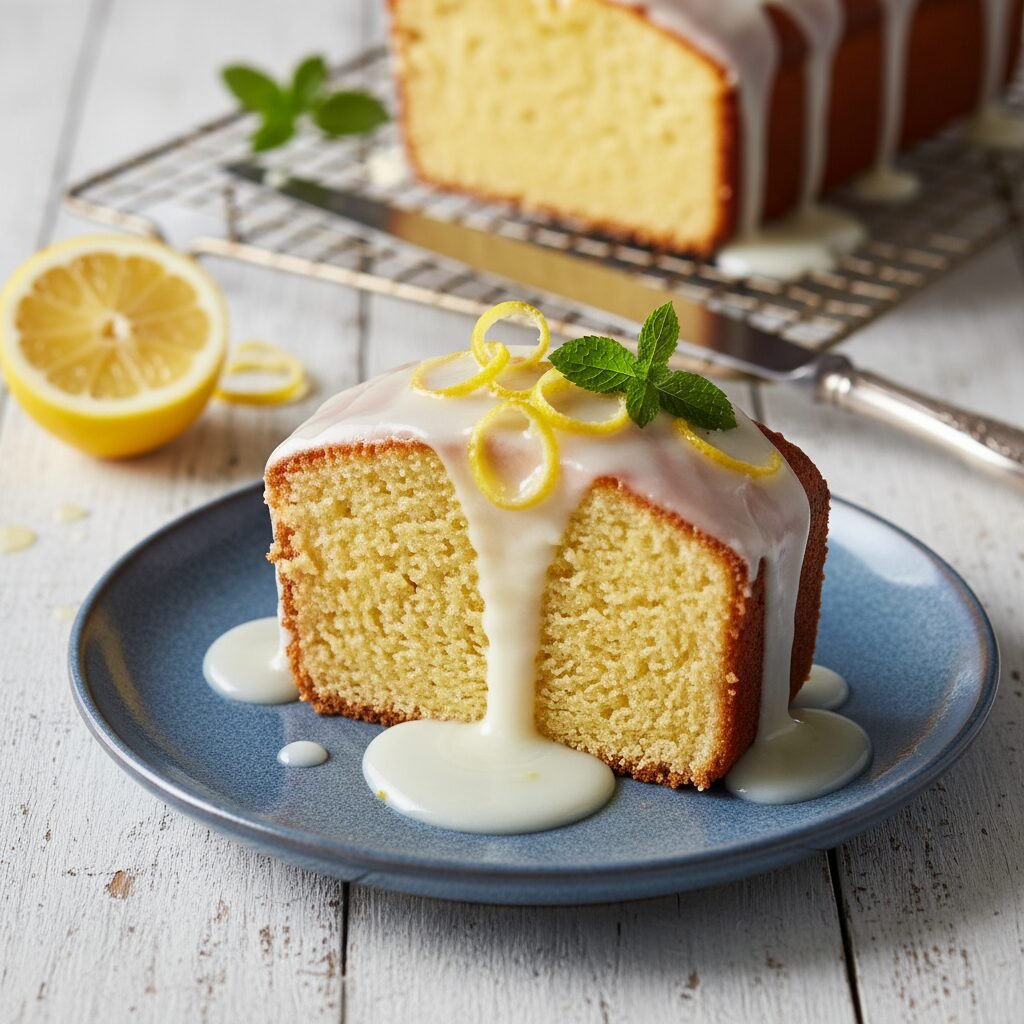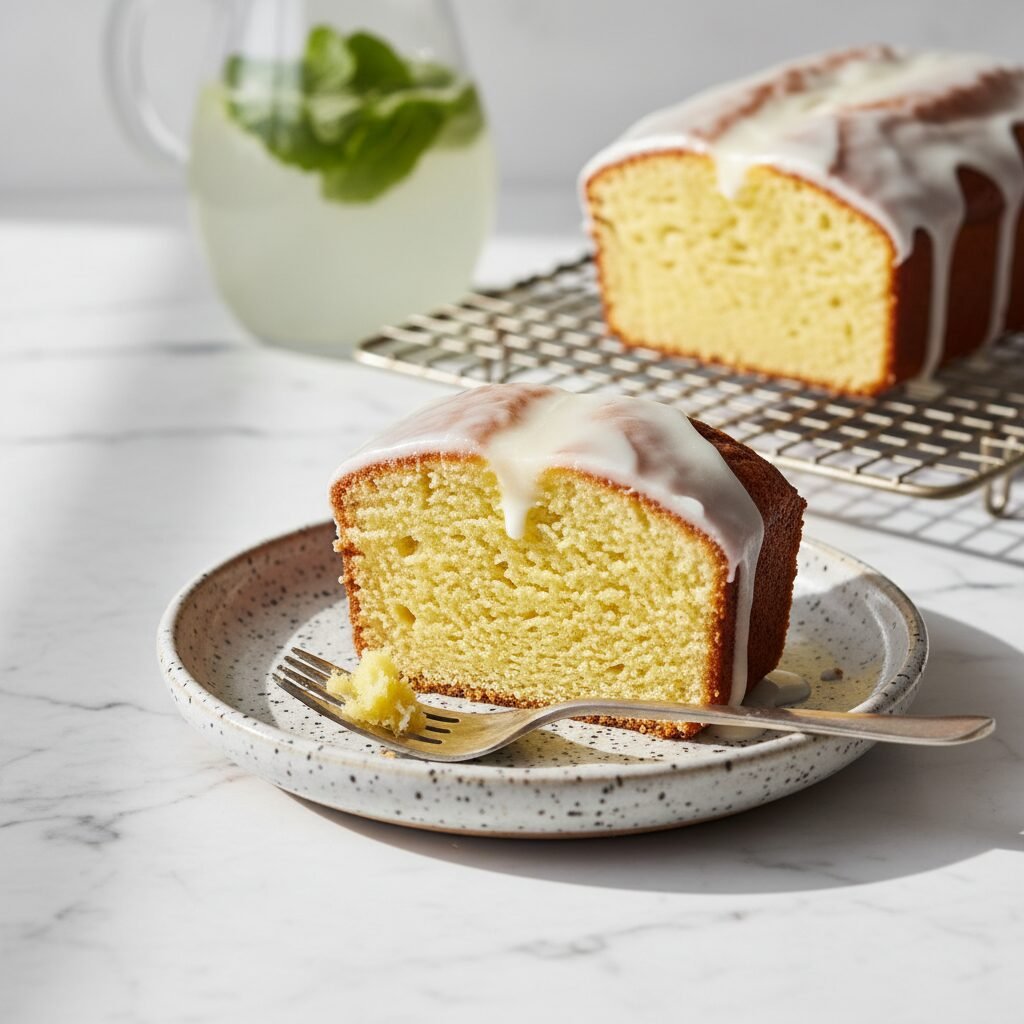

Moist Orange Loaf Cake Recipe
This ultra-moist orange loaf cake is bursting with fresh citrus flavor and topped with a sweet, tangy glaze. Perfect for breakfast, brunch, or afternoon tea, it comes together quickly and stays tender for days thanks to a secret ingredient.
20 minutes
55 minutes
1 hour 15 minutes
1 Loaf (10-12 slices)
Dessert
Baking
American / British
Vegetarian
There is something undeniably cheerful about baking with citrus. As the zest releases its oils and the oven warms, the entire kitchen fills with a sunshine-bright aroma that promises comfort and joy. This Moist Orange Loaf Cake is the embodiment of that feeling. It is not just another pound cake; it is a celebration of the orange in its purest form. We have all encountered dry, lackluster loaf cakes that rely too heavily on artificial extracts or sugary icings to mask a bland crumb. This recipe is the antidote to those disappointments. By rubbing fresh orange zest directly into the sugar before mixing, we unlock the essential oils, infusing every single grain with potent citrus flavor. The result is a cake that smells as good as it tastes. The texture is equally important—we are aiming for a crumb that is tight yet tender, dense enough to slice cleanly but moist enough to melt in your mouth. The addition of Greek yogurt is the game-changer here, providing acidity to activate the leavening agents and fat to ensure the cake remains soft for days. Whether you are serving this alongside a steaming mug of Earl Grey tea on a rainy afternoon or wrapping up slices for a sunny picnic, this orange loaf cake is a versatile showstopper that requires minimal effort for maximum reward.
History & Origins
The concept of the loaf cake, or pound cake, dates back to the early 1700s in Northern Europe. Originally, the recipe was easy to remember because it called for a pound each of flour, butter, eggs, and sugar. While delicious, these early cakes were incredibly dense and heavy. As baking technology evolved with the introduction of chemical leaveners like baking powder and baking soda in the 19th century, bakers began to experiment with lighter textures and different flavor profiles. The incorporation of citrus fruits into European baking gained popularity as trade routes expanded and fruits like oranges and lemons became more accessible in colder climates, often considered luxury items reserved for holidays and special occasions. The ‘orange cake’ specifically found a strong foothold in Mediterranean and British baking traditions, where citrus groves were either abundant or the fruit was a prized import. In America, the popularity of citrus loaf cakes surged in the mid-20th century with the widespread availability of fresh produce in supermarkets and the post-war baking boom. Home cooks began adding sour cream, yogurt, or buttermilk to their batters to ensure moisture, moving away from the strict 1:1:1:1 ratio of the original pound cake. Today, the orange loaf cake is a beloved staple in coffee shops and home kitchens alike, representing a perfect marriage of rustic, old-world baking and modern desires for bright, fresh flavors.
Why This Recipe Works
This recipe succeeds where others fail due to three specific techniques: zest infusion, the fat balance, and the yogurt factor. First, most recipes simply ask you to stir in the zest. We take it a step further by rubbing the orange zest into the granulated sugar with your fingertips until the sugar looks like wet sand. This abrasive action punctures the oil glands in the zest, releasing the intense orange essence that would otherwise be trapped. Secondly, we use a combination of butter and oil. Butter provides that classic, rich dairy flavor that we crave in baked goods, while vegetable oil—which remains liquid at room temperature—ensures the cake stays moist and soft long after it has cooled. Using only butter can sometimes lead to a dry cake once it sets, but the oil guarantees a tender crumb. Finally, the inclusion of plain Greek yogurt or sour cream adds a necessary tang that cuts through the sweetness, but more importantly, its acidity reacts with the baking agents to create a lift, preventing the cake from becoming heavy or gummy. The protein in the yogurt also reinforces the structure, allowing the cake to hold its shape while remaining incredibly moist.
Why You’ll Love This Recipe
- ✓Infused with real orange zest for natural, vibrant flavor.
- ✓Uses Greek yogurt for an impossibly moist texture.
- ✓Stays soft for days, making it perfect for making ahead.
- ✓Simple one-bowl wet and dry mixing method.
- ✓Topped with a 2-ingredient zesty glaze that sets perfectly.
Equipment You’ll Need
- ✓9×5 inch Loaf Pan
- ✓Large Mixing Bowl
- ✓Medium Mixing Bowl
- ✓Whisk
- ✓Rubber Spatula
- ✓Microplane or Zester
- ✓Cooling Rack
- ✓Measuring Cups and Spoons
Ingredients
- ✓1 1/2 cups All-Purpose Flour
- ✓1 1/2 tsp Baking Powder
- ✓1/2 tsp Salt
- ✓1 cup Granulated Sugar
- ✓2 tbsp Fresh Orange Zest (approx. 2 oranges)
- ✓3 Large Eggs, room temperature
- ✓1/2 cup Plain Greek Yogurt or Sour Cream, room temperature
- ✓1/2 cup Unsalted Butter, melted and slightly cooled
- ✓1 tsp Vanilla Extract
- ✓1 cup Powdered Sugar (for glaze)
- ✓2-3 tbsp Freshly Squeezed Orange Juice (for glaze)
Instructions
- Preheat your oven to 350°F (175°C). Grease a 9×5 inch loaf pan generously with butter or non-stick spray and line it with parchment paper, leaving an overhang on the sides for easy removal.
- In a medium bowl, whisk together the flour, baking powder, and salt until well combined. Set aside.
- In a large mixing bowl, add the granulated sugar and the fresh orange zest. Using your clean fingertips, rub the zest into the sugar for about 1-2 minutes until the mixture is fragrant and resembles wet sand. This releases the essential oils.
- Add the eggs to the sugar mixture one at a time, whisking vigorously after each addition until the mixture is pale and slightly thickened.
- Whisk in the Greek yogurt (or sour cream) and vanilla extract until smooth.
- Slowly pour in the melted butter while whisking constantly to emulsify the batter.
- Gently fold the dry ingredients into the wet ingredients using a rubber spatula. Mix only until no streaks of flour remain. Do not overmix.
- Pour the batter into the prepared loaf pan and smooth the top with the spatula.
- Bake for 50-60 minutes, or until a toothpick inserted into the center comes out clean or with just a few moist crumbs attached. If the top is browning too quickly, tent loosely with aluminum foil after 40 minutes.
- Remove from the oven and let the cake cool in the pan for 15 minutes. Then, use the parchment paper handles to lift it out onto a wire rack to cool completely.
- While the cake cools, prepare the glaze. In a small bowl, whisk together the powdered sugar and fresh orange juice until you reach a pouring consistency. Add more juice for a thinner glaze or more sugar for a thicker one.
- Once the cake is completely cool, drizzle the glaze over the top, allowing it to drip down the sides. Let the glaze set for 10 minutes before slicing.
Expert Cooking Tips
- ✓Room temperature ingredients are crucial for a smooth batter that emulsifies properly.
- ✓Do not skip rubbing the zest into the sugar; it is the primary source of orange flavor.
- ✓Measure flour correctly by spooning it into the cup and leveling it off, rather than scooping directly from the bag.
- ✓Tent the cake with foil if it starts getting too dark before the center is cooked.
- ✓Let the cake cool completely before glazing, otherwise the glaze will melt and soak into the cake rather than sitting on top.
- ✓Use fresh orange juice for the glaze, not bottled, for the brightest flavor.
Substitutions and Variations
If you do not have Greek yogurt, full-fat sour cream is the best 1:1 substitute and works perfectly. In a pinch, you can use buttermilk, though the batter will be slightly thinner. For a dairy-free version, use a plant-based yogurt (coconut or almond based) and swap the butter for a neutral oil like canola or melted coconut oil. If you prefer blood oranges, lemons, or grapefruits, you can swap the zest and juice for an equally delicious variation. Whole wheat pastry flour can be substituted for half of the all-purpose flour for a slightly nuttier texture, though the cake will be denser. Gluten-free 1-to-1 baking flour blends generally work well in this recipe.
Common Mistakes to Avoid
The most common mistake is overmixing the batter once the flour is added. This develops the gluten too much and results in a tough, rubbery loaf rather than a tender one. Another issue is baking at the wrong temperature; oven thermometers are inexpensive and ensure your oven is actually at 350°F. Opening the oven door too frequently to check on the cake can cause the center to sink, so rely on the oven light until the final few minutes. Finally, glazing a warm cake is a tragedy; patience is key to getting that beautiful, stark white drip that looks professional.
Serving Suggestions
This cake is stunning on its own, but it pairs beautifully with a dollop of freshly whipped cream or a scoop of vanilla bean ice cream for dessert. For breakfast, serve a thick slice toasted with a smear of salted butter or mascarpone cheese. It is the perfect companion to hot coffee, Earl Grey tea, or a cold glass of milk. You can also garnish the top with candied orange slices or edible flowers for a festive presentation suitable for holidays or gifts.
Storage and Reheating Tips
Store the cake in an airtight container at room temperature for up to 3 days. The glaze acts as a seal, keeping moisture in. For longer storage, keep it in the refrigerator for up to a week, though it is best served at room temperature. To freeze, wrap the unglazed loaf tightly in plastic wrap and then aluminum foil for up to 3 months. Thaw overnight in the fridge and glaze before serving. Individual slices can also be wrapped and frozen for quick snacks.
Nutrition Facts (Estimated)
| Serving Size | 1 slice |
| Calories | 290 |
| Fat | 12g |
| Saturated Fat | 6g |
| Unsaturated Fat | 5g |
| Trans Fat | 0g |
| Cholesterol | 45mg |
| Sodium | 180mg |
| Carbohydrates | 42g |
| Fiber | 1g |
| Sugar | 22g |
| Protein | 4g |
Frequently Asked Questions
Can I use bottled orange juice instead of fresh?
While you can, fresh orange juice provides a much brighter, less acidic flavor. Bottled juice often contains added sugars and preservatives that can alter the taste of the glaze.
Why did my cake sink in the middle?
This usually happens if the oven door was opened too early, causing a temperature drop, or if the cake was underbaked. Check for doneness with a toothpick before removing it.
Can I make this into muffins instead?
Yes! Pour the batter into a lined muffin tin and bake at 350°F for 18-22 minutes. The recipe should yield about 12 standard muffins.
My glaze is too runny, what do I do?
Simply add more powdered sugar, a tablespoon at a time, whisking until you reach the desired thickness. If it’s too thick, add a few drops of juice.
Can I reduce the sugar in the recipe?
You can reduce the sugar in the cake by about 1/4 cup without ruining the texture, but reducing it further may affect the moisture and structure. The glaze is optional if you want to cut sugar.
Do I have to use a stand mixer?
No, this recipe is easily made by hand with a whisk and a spatula. Just be prepared to whisk the eggs and sugar vigorously.
Why is my cake dry?
Overbaking is the main culprit. Start checking the cake 5-10 minutes before the stated time. Also, ensure you didn’t add too much flour by packing it into the measuring cup.
Can I add mix-ins like cranberries or nuts?
Absolutely. Toss 1/2 cup of dried cranberries, chocolate chips, or chopped walnuts in a teaspoon of flour (to prevent sinking) and fold them in at the very end.
Conclusion
This Moist Orange Loaf Cake is a testament to the power of simple, fresh ingredients coming together to create something extraordinary. Whether you are an experienced baker or a novice in the kitchen, this recipe is forgiving, reliable, and guaranteed to impress. The bright citrus notes bring a little bit of sunshine into your home, regardless of the weather outside. We hope this becomes a staple in your recipe box, a go-to treat for friends, family, and quiet moments of indulgence. Happy baking!