Moist Orange Pound Cake Recipe
This incredibly moist orange pound cake is bursting with fresh citrus flavor and topped with a sweet, tangy glaze that makes every bite unforgettable. Perfect for breakfast, brunch, or dessert, it’s a sunny, comforting treat that pairs beautifully with your morning coffee.
20 minutes
55 minutes
1 hour 15 minutes
1 Loaf (10-12 slices)
Dessert
Baking
American
Vegetarian
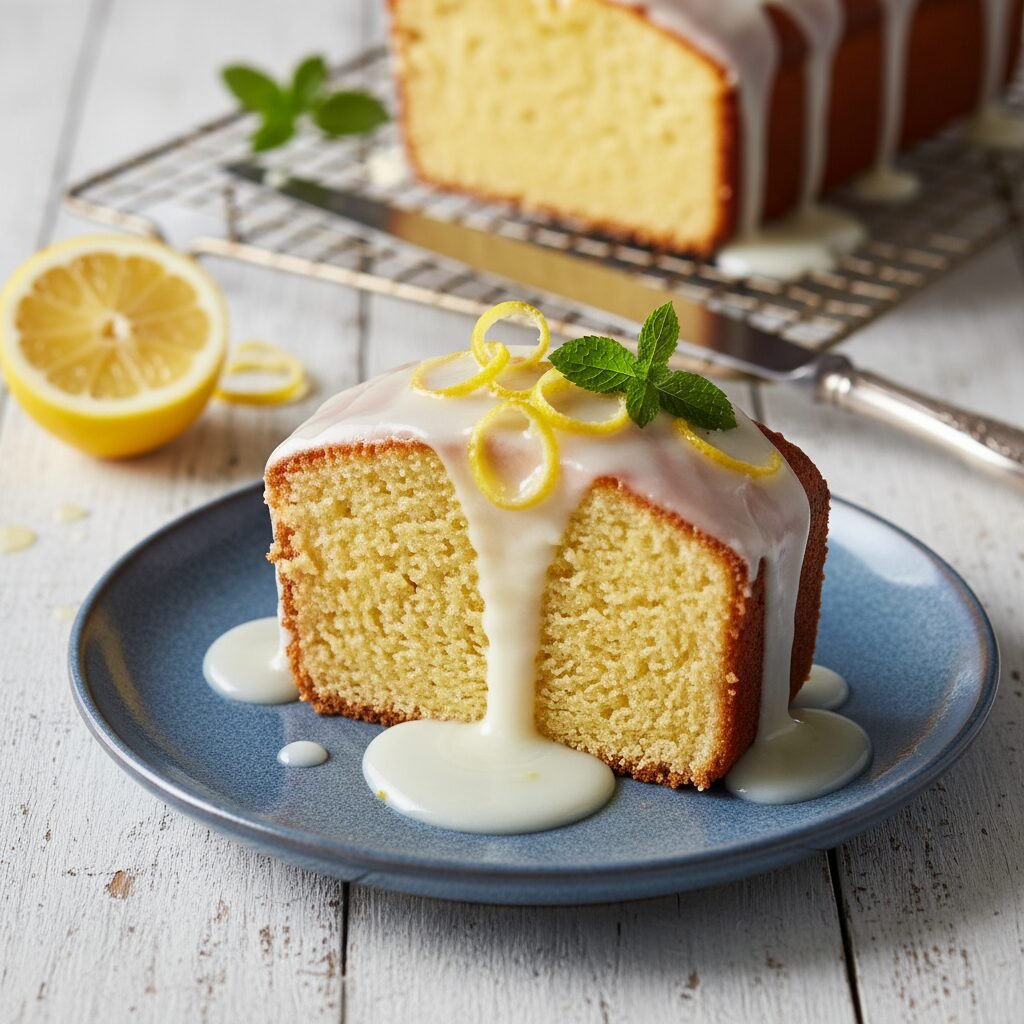
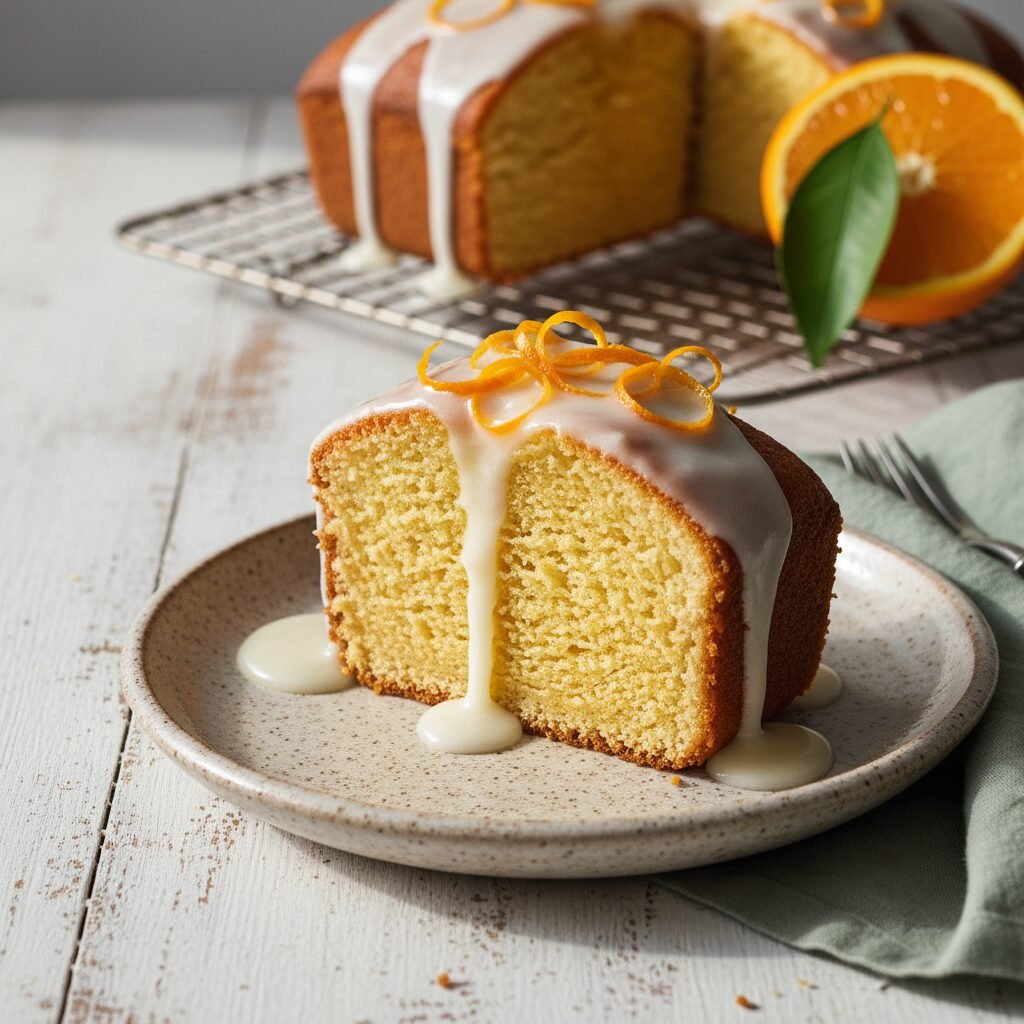
There is something undeniably cheerful about the scent of oranges filling a kitchen. In the depths of winter or the height of summer, citrus brings a brightness that lifts the spirits and awakens the palate. This Moist Orange Pound Cake is my love letter to that sensation—a dense, buttery, and incredibly tender loaf that balances the richness of a traditional pound cake with the zesty punch of fresh navel oranges. Unlike dry, crumbly cakes that rely heavily on artificial extracts, this recipe utilizes the entire essence of the fruit. We rub the zest into the sugar until it resembles wet sand, releasing those essential oils right into the base of the batter, and we incorporate freshly squeezed juice for a natural, vibrant tang. The texture is paramount here; it is velvety and tight-crumbed, yet melts in your mouth thanks to the addition of sour cream and the careful creaming of butter and sugar. It is the kind of cake that tastes even better the next day, as the flavors have time to meld and deepen. Whether you are serving it to guests at a Sunday brunch or sneaking a slice for a midnight snack, this cake offers a comforting nostalgia with a sophisticated twist. It is simple enough for a novice baker but yields results that look and taste like they came from a high-end bakery. The final drizzle of orange glaze acts as a seal, locking in moisture and adding a sugary crunch that contrasts perfectly with the soft interior.
History & Origins
The pound cake is a dessert with a lineage as rich as its flavor. Dating back to the early 1700s in Northern Europe, the original recipe was named for its simple, memorable ratios: one pound each of flour, butter, eggs, and sugar. This formula made it easy for bakers to remember without written recipes, but it resulted in a cake that was incredibly dense and heavy by modern standards. As the recipe migrated to America and evolved through the 19th and 20th centuries, bakers began to experiment with leavening agents like baking soda and baking powder, as well as moisture-enhancing ingredients like milk, sour cream, and buttermilk, to create a lighter, more palatable texture. The incorporation of citrus into pound cakes likely gained popularity in the American South, where access to fresh fruits from Florida and trade routes made oranges a prized ingredient. Citrus was often used to cut through the richness of the butter and eggs, providing a refreshing counterpoint to the heavy crumb. Over time, the ‘orange pound cake’ became a staple of church potlucks, holiday tables, and community cookbooks, celebrated for its ability to travel well and stay fresh for days. This specific recipe pays homage to those traditional Southern cakes but employs modern baking science to ensure a foolproof, moist result every time, continuing a centuries-old tradition of comforting, butter-forward baking.
Why This Recipe Works
This recipe succeeds where others fail because it meticulously balances moisture, fat, and acidity. The primary secret lies in the ‘reverse creaming’ style logic applied to the flavoring: rubbing the orange zest directly into the granulated sugar before adding any wet ingredients. Sugar crystals are abrasive, and the friction tears open the zest’s oil cells, infusing the entire batter with a potent, floral orange aroma that extract simply cannot replicate. Secondly, the inclusion of sour cream is non-negotiable. Sour cream introduces acid, which tenderizes the gluten strands in the flour, resulting in a softer crumb. It also adds fat without thinning the batter like milk would, maintaining that classic, dense pound cake structure without it becoming dry. We also use a combination of butter and a splash of oil; butter provides the iconic flavor, while oil ensures the cake stays moist for days, as oil remains liquid at room temperature. Finally, the baking temperature is crucial. Baking at a slightly lower temperature (325°F instead of 350°F) allows the dense batter to cook evenly to the center without burning the exterior, ensuring a golden crust and a perfectly cooked interior.
Why You’ll Love This Recipe
- ✓Infused with real orange zest and fresh juice for authentic flavor.
- ✓Uses sour cream for an incredibly moist and tender crumb.
- ✓Stays fresh and soft for days, making it perfect for gifting.
- ✓Simple glazing technique adds a professional bakery finish.
- ✓Requires only standard pantry staples and fresh oranges.
Equipment You’ll Need
- ✓9×5 inch Loaf Pan
- ✓Stand Mixer or Electric Hand Mixer
- ✓Microplane Zester
- ✓Citrus Juicer
- ✓Medium Mixing Bowl
- ✓Cooling Rack
- ✓Whisk
- ✓Rubber Spatula
Ingredients
- ✓1 1/2 cups All-Purpose Flour
- ✓1/4 teaspoon Baking Soda
- ✓1/4 teaspoon Baking Powder
- ✓1/2 teaspoon Salt
- ✓1 cup Granulated Sugar
- ✓2 tablespoons Fresh Orange Zest (approx. 2 oranges)
- ✓1/2 cup Unsalted Butter, softened
- ✓3 Large Eggs, room temperature
- ✓1/2 cup Sour Cream, room temperature
- ✓1 teaspoon Pure Vanilla Extract
- ✓2 tablespoons Fresh Orange Juice
- ✓1 cup Powdered Sugar (for glaze)
- ✓2-3 tablespoons Fresh Orange Juice (for glaze)
Instructions
- Preheat your oven to 325°F (165°C). Grease a 9×5 inch loaf pan generously with butter or non-stick spray and line it with parchment paper for easy removal.
- In a medium bowl, whisk together the flour, baking soda, baking powder, and salt. Set this dry mixture aside.
- In the bowl of a stand mixer (or a large bowl using a hand mixer), combine the granulated sugar and fresh orange zest. Use your fingers to rub the zest into the sugar until it is fragrant and resembles wet sand. This releases the essential oils.
- Add the softened butter to the sugar-zest mixture. Beat on medium-high speed for about 3-4 minutes until the mixture is pale, light, and fluffy. Do not rush this step; aeration is key.
- Lower the mixer speed to medium and add the eggs one at a time, beating well after each addition and scraping down the sides of the bowl to ensure even mixing.
- In a small bowl, whisk together the sour cream, vanilla extract, and 2 tablespoons of orange juice.
- Reduce the mixer speed to low. Add half of the flour mixture to the butter mixture, mixing just until combined. Then add the sour cream mixture, mixing until incorporated. Finally, add the remaining flour mixture, mixing just until no streaks of flour remain. Do not overmix.
- Pour the batter into the prepared loaf pan and smooth the top with a spatula. Tap the pan gently on the counter to release any large air bubbles.
- Bake for 50-60 minutes, or until a toothpick inserted into the center comes out clean or with just a few moist crumbs. If the top is browning too quickly, tent loosely with aluminum foil after 40 minutes.
- Remove from the oven and let the cake cool in the pan for 15 minutes. Then, carefully lift it out using the parchment paper and transfer to a wire rack to cool completely.
- While the cake cools, make the glaze. Whisk together the powdered sugar and 2 tablespoons of orange juice until smooth. Adjust consistency with more juice or sugar as needed. Pour over the cooled cake and let it set before slicing.
Expert Cooking Tips
- ✓Room temperature ingredients are vital. Cold eggs or sour cream can curdle the batter.
- ✓Zest your oranges before juicing them; it is much harder to zest a squashed orange.
- ✓Measure flour correctly by spooning it into the cup and leveling it off, rather than scooping directly, to avoid a dense cake.
- ✓Don’t skip the step of rubbing zest into the sugar; it makes a massive difference in flavor intensity.
- ✓Let the cake cool completely before glazing, or the glaze will simply melt and run off.
Substitutions and Variations
If you don’t have sour cream, full-fat Greek yogurt is an excellent 1:1 substitute that provides similar tang and moisture. For a dairy-free version, you can use a high-quality plant-based butter and a dairy-free yogurt alternative, though the texture may vary slightly. If you prefer a different citrus profile, this recipe works beautifully with lemons, limes, or even grapefruits—just swap the zest and juice in equal quantities. Cake flour can be used instead of all-purpose flour for an even lighter, more delicate crumb, but you may need to increase the amount by about 2 tablespoons. Vanilla bean paste can replace vanilla extract for lovely visual specks and a deeper vanilla flavor.
Common Mistakes to Avoid
The most common mistake is overmixing the batter after adding the flour. This develops the gluten too much and leads to a tough, rubbery loaf rather than a tender cake. Another frequent error is opening the oven door too early or too often, which can cause the cake to sink in the middle due to the temperature drop. Using bottled orange juice instead of fresh is also a misstep; bottled juice often lacks the bright, floral notes of fresh citrus and can taste flat or metallic in baked goods. Finally, failing to grease and line the pan properly can result in the heartbreaking situation of the cake sticking and breaking apart upon removal.
Serving Suggestions
This cake is versatile enough for many occasions. Serve thick slices slightly warmed with a dollop of freshly whipped cream and some orange segments for an elegant dessert. It is also fantastic toasted in a skillet with a little butter for breakfast. For a summer twist, serve it with a scoop of vanilla bean ice cream and a drizzle of warm honey. It pairs exceptionally well with Earl Grey tea, which complements the citrus notes, or a robust dark roast coffee to cut through the sweetness.
Storage and Reheating Tips
Store the completely cooled cake in an airtight container at room temperature for up to 3 days. The flavor actually improves on the second day. For longer storage, wrap the cake tightly in plastic wrap and then aluminum foil and refrigerate for up to 1 week. This cake freezes beautifully; wrap individual slices or the whole loaf in plastic wrap and foil, then place in a freezer-safe bag for up to 3 months. Thaw overnight in the refrigerator or on the counter before serving.
Nutrition Facts (Estimated)
| Serving Size | 1 slice |
| Calories | 340 |
| Fat | 16g |
| Saturated Fat | 9g |
| Unsaturated Fat | 6g |
| Trans Fat | 0g |
| Cholesterol | 65mg |
| Sodium | 180mg |
| Carbohydrates | 46g |
| Fiber | 1g |
| Sugar | 28g |
| Protein | 4g |
Frequently Asked Questions
Can I bake this in a bundt pan?
Yes, but you will likely need to double the recipe for a standard 10-12 cup bundt pan, as this recipe yields one standard loaf. Adjust baking time to 55-65 minutes and check for doneness.
Why did my pound cake sink in the middle?
Sinking usually happens if the cake was underbaked in the center, or if the oven door was opened too early, causing a sudden temperature drop. Ensure your leavening agents are fresh as well.
Can I use blood oranges instead?
Absolutely! Blood oranges will give a beautiful, slightly berry-like flavor and a stunning pinkish hue to the glaze, making for a visually striking presentation.
How do I know when the cake is perfectly done?
Insert a wooden skewer or toothpick into the deepest part of the center. It should come out clean or with a few moist crumbs attached. Wet batter means it needs more time.
My glaze is too runny, what do I do?
Simply add more powdered sugar, a tablespoon at a time, whisking until you reach your desired thickness. If it’s too thick, add drops of juice.
Can I reduce the sugar in this recipe?
Sugar provides moisture and structure, not just sweetness. Reducing it significantly will alter the texture, making the cake drier and denser. I recommend sticking to the recipe for the best texture.
Do I have to use an electric mixer?
While it is possible to mix by hand with a lot of elbow grease, an electric mixer ensures the butter and sugar are properly creamed and aerated, which is crucial for the lift and texture of the cake.
Why do ingredients need to be at room temperature?
Room temperature ingredients emulsify (blend) much better than cold ones. Cold ingredients can cause the butter to seize up, leading to a curdled-looking batter and an uneven bake.
Conclusion
Baking this Moist Orange Pound Cake is a rewarding experience that fills your home with warmth and the promise of a delicious treat. It is a testament to how simple ingredients, when treated with care and attention to detail, can transform into something truly spectacular. Whether you are a seasoned baker looking for a reliable classic or a beginner wanting to impress, this recipe is sure to become a cherished favorite in your repertoire. Enjoy the process of zesting, mixing, and glazing, and most importantly, enjoy sharing this slice of sunshine with the people you love.