Moist Peach Snack Cake Recipe
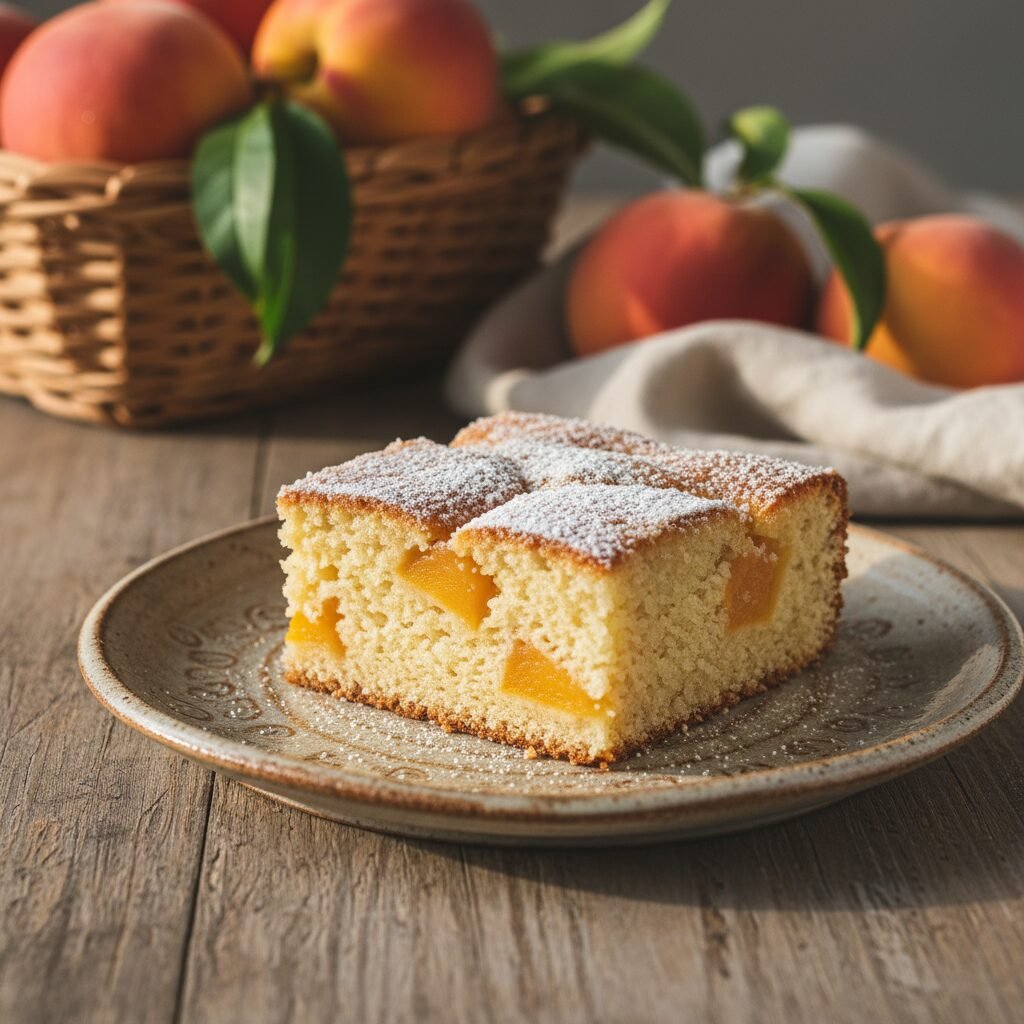
This incredibly moist Peach Snack Cake is the epitome of summer baking made simple. Bursting with juicy fresh peaches and a hint of warm cinnamon, it comes together in one bowl for the perfect afternoon treat or easy dessert.
15 minutes
45 minutes
60 minutes
9-12 servings
Dessert
Baking
American
Vegetarian
There is something undeniably magical about the arrival of stone fruit season. The air gets warmer, the days get longer, and the market stalls overflow with fragrant, fuzzy peaches that yield slightly to the touch. This Moist Peach Snack Cake was born out of a desire to capture that fleeting essence of summer in a baked good that doesn’t require the fuss of a layered gateau or the rolling pin required for a pie. It is a celebration of simplicity and flavor, designed for the home baker who wants maximum reward for minimal effort. The texture here is paramount; we aren’t looking for a dry, crumbly sponge. Instead, we aim for a dense, tender crumb that stays moist for days, thanks to a secret combination of Greek yogurt and vegetable oil. As the cake bakes, the peaches release their natural juices, creating pockets of jammy sweetness that contrast beautifully with the spiced batter. The aroma that fills the kitchen—notes of vanilla, brown sugar, and roasted fruit—is enough to gather the whole family before the timer even dings. Whether you are enjoying a slice with your morning coffee, packing it into a lunchbox, or serving it warm with a scoop of vanilla bean ice cream after dinner, this cake fits every occasion. It bridges the gap between a humble muffin and a decadent dessert, proving that sometimes, the most memorable recipes are the ones that feel like a warm hug. Get ready to fall in love with your new go-to way to use up that basket of ripe peaches sitting on your counter.
History & Origins
The concept of the ‘snack cake’ is deeply rooted in American culinary history, emerging as a staple of mid-20th-century home baking. Unlike the elaborate, frosted layer cakes reserved for birthdays and weddings, snack cakes were intended for everyday consumption—simple, single-layer cakes often baked in square or rectangular pans, meant to be eaten out of hand without the need for a fork and plate. They became particularly popular in the 1950s and 60s when convenience cooking was on the rise, and mothers looked for quick, reliable treats to tuck into school lunchboxes or serve as an after-school snack. The integration of peaches into this format pays homage to the rich agricultural heritage of the American South, particularly Georgia and South Carolina, where peaches have been a prized crop for centuries. Historically, during the peak of harvest, families would look for every conceivable way to preserve and consume the abundance of fruit before it spoiled. While cobblers and crisps are perhaps the most famous Southern peach desserts, the peach cake holds its own as a more portable and sturdy alternative. Over decades, recipes have evolved from using heavy shortening and lard to lighter oils and dairy additions like buttermilk or sour cream to enhance texture. This modern iteration respects that lineage of practical, seasonal baking while utilizing contemporary techniques to ensure a foolproof, moist result every time.
Why This Recipe Works
This recipe succeeds where others fail primarily due to the careful balance of fat and moisture. Many fruit cakes suffer from being either too dry or becoming soggy from the fruit’s water content. To combat dryness, we utilize a dual-fat method: vegetable oil ensures the cake remains soft even when refrigerated (as oil remains liquid at lower temperatures unlike butter), while a touch of butter provides that classic rich flavor. The addition of full-fat Greek yogurt (or sour cream) introduces acidity, which tenderizes the gluten strands in the flour, resulting in a melt-in-your-mouth crumb rather than a chewy one. regarding the ‘soggy bottom’ phenomenon often associated with fresh fruit baking, this recipe employs a simple but critical technique: tossing the diced peaches in a tablespoon of flour before folding them into the batter. This coating absorbs some of the initial juice release and creates friction, preventing the fruit chunks from sinking to the bottom of the pan during the bake. Furthermore, the ratio of brown sugar to white sugar is optimized; brown sugar contains molasses, which is hygroscopic (water-attracting), helping the cake retain moisture long after it has cooled. Finally, baking at a moderate 350°F ensures the center cooks through before the edges dry out.
Why You’ll Love This Recipe
- ✓Incredibly moist texture that stays fresh for days.
- ✓Bursting with pockets of jammy, fresh peaches.
- ✓One-bowl preparation means minimal cleanup.
- ✓Versatile enough for breakfast, snack, or dessert.
- ✓Freezes beautifully for meal prepping.
- ✓No mixer required—just a whisk and a spatula.
Equipment You’ll Need
- ✓8×8 or 9×9 inch square baking pan
- ✓Large mixing bowl
- ✓Medium mixing bowl
- ✓Whisk
- ✓Rubber spatula
- ✓Measuring cups and spoons
- ✓Parchment paper
- ✓Wire cooling rack
Ingredients
- ✓1 1/2 cups all-purpose flour
- ✓1 tsp baking powder
- ✓1/2 tsp baking soda
- ✓1/2 tsp salt
- ✓1 tsp ground cinnamon
- ✓1/4 tsp ground nutmeg
- ✓1/2 cup granulated sugar
- ✓1/2 cup light brown sugar, packed
- ✓2 large eggs, room temperature
- ✓1/2 cup vegetable oil (or canola oil)
- ✓1/2 cup plain Greek yogurt or sour cream
- ✓1 tsp pure vanilla extract
- ✓2 cups fresh peaches, peeled and diced (approx. 2-3 medium peaches)
- ✓1 tbsp all-purpose flour (for tossing peaches)
Instructions
- Preheat your oven to 350°F (175°C). Grease an 8×8 inch or 9×9 inch square baking pan with non-stick spray or butter, and line it with parchment paper leaving an overhang on the sides for easy removal.
- In a medium bowl, whisk together the 1 1/2 cups flour, baking powder, baking soda, salt, cinnamon, and nutmeg until well combined. Set aside.
- In a large mixing bowl, whisk the granulated sugar, brown sugar, and eggs until the mixture is pale and slightly thickened, about 1-2 minutes.
- Add the vegetable oil, Greek yogurt (or sour cream), and vanilla extract to the sugar and egg mixture. Whisk vigorously until the batter is smooth and emulsified.
- Gently fold the dry ingredients into the wet ingredients using a rubber spatula. Mix only until just combined and no large streaks of flour remain. Do not overmix.
- In a small bowl, toss the diced peaches with the separate 1 tablespoon of flour. This coating helps prevent the fruit from sinking to the bottom of the cake.
- Gently fold the flour-coated peaches into the batter.
- Pour the batter into the prepared baking pan and spread it into an even layer using the spatula. You can top with a few extra peach slices for presentation if desired.
- Bake for 40-50 minutes, or until a toothpick inserted into the center comes out clean or with just a few moist crumbs attached. The top should be golden brown.
- Remove the cake from the oven and place the pan on a wire cooling rack. Let it cool in the pan for at least 20 minutes before using the parchment paper overhang to lift it out.
- Allow the cake to cool completely on the rack before slicing. Dust with powdered sugar before serving, if desired.
Expert Cooking Tips
- ✓Use room temperature ingredients (eggs and yogurt) to ensure the batter emulsifies properly.
- ✓Do not overmix the batter once the flour is added; this ensures the cake stays tender rather than tough.
- ✓Peeling the peaches is recommended for a smoother texture, but unpeeled works for a more rustic feel.
- ✓If your peaches are very juicy, blot them slightly with a paper towel before tossing in flour.
- ✓Check the cake at the 40-minute mark; ovens vary significantly.
- ✓For a crunchier top, sprinkle a tablespoon of coarse turbinado sugar over the batter before baking.
- ✓Wait for the cake to cool completely before slicing to prevent it from crumbling.
Substitutions and Variations
This recipe is quite forgiving and allows for several substitutions based on dietary needs or pantry availability. If you don’t have vegetable oil, you can substitute melted coconut oil or melted unsalted butter, though oil yields the moistest crumb. Greek yogurt can be replaced with full-fat sour cream or even buttermilk (though buttermilk will make a slightly thinner batter). For a gluten-free version, swap the all-purpose flour for a high-quality 1:1 gluten-free baking flour blend that includes xanthan gum. If fresh peaches aren’t in season, you can use canned peaches (drained very well and patted dry) or frozen peaches (do not thaw, just toss in flour and bake, adding a few minutes to the bake time). You can also swap peaches for other stone fruits like nectarines, plums, or apricots, or even use apples or pears in the fall.
Common Mistakes to Avoid
The most common mistake with fresh fruit cakes is a soggy center. This usually happens because the peaches were too juicy or the cake was underbaked. Ensure you toss the fruit in flour and test the center with a toothpick, not just the top. Another frequent error is overmixing the batter after adding the flour, which develops too much gluten and results in a rubbery, dense texture. Always fold gently by hand rather than using an electric mixer for the final step. Additionally, using a pan that is too small (like a loaf pan instead of a square pan) without adjusting the time will cause the edges to burn before the middle cooks. Finally, resist the urge to slice the cake while it’s piping hot; the structure needs time to set as it cools.
Serving Suggestions
This cake is versatile enough to be served at any temperature. For a comforting dessert, serve a slice warm, topped with a dollop of whipped cream or a scoop of vanilla bean ice cream. A drizzle of caramel sauce or honey elevates it further. For breakfast or brunch, serve it at room temperature alongside a cup of coffee or tea. It also looks beautiful dusted with powdered sugar or topped with a simple glaze made from powdered sugar, milk, and a drop of almond extract. If you are hosting a summer gathering, garnish the plate with fresh mint leaves and a few fresh peach slices for a pop of color.
Storage and Reheating Tips
Because this cake is so moist and contains fresh fruit, proper storage is key. At room temperature, keep the cake in an airtight container for up to 2 days. If your kitchen is particularly hot or humid, it is safer to store it in the refrigerator, where it will keep for up to 5 days. Bring it back to room temperature or microwave for 10-15 seconds before eating to revive the soft texture. For longer storage, wrap individual slices tightly in plastic wrap and then foil, and freeze for up to 3 months. Thaw frozen slices in the refrigerator overnight or on the counter for an hour.
Nutrition Facts (Estimated)
| Serving Size | 1 slice |
| Calories | 280 |
| Fat | 12g |
| Saturated Fat | 2g |
| Unsaturated Fat | 9g |
| Trans Fat | 0g |
| Cholesterol | 35mg |
| Sodium | 190mg |
| Carbohydrates | 40g |
| Fiber | 2g |
| Sugar | 18g |
| Protein | 4g |
Frequently Asked Questions
Can I use frozen peaches instead of fresh?
Yes, absolutely. Keep the peaches frozen when you fold them into the batter to prevent them from bleeding too much juice into the mix. You may need to increase the baking time by 5-10 minutes.
Do I really need to peel the peaches?
It is a matter of personal preference. Peeling yields a smoother, more uniform texture. However, peach skins are thin and edible, so leaving them on adds a rustic look and slightly more fiber.
Why did my fruit sink to the bottom?
Fruit sinking is caused by gravity overcoming the batter’s thickness. Tossing the fruit in flour creates friction that helps hold it in place. Also, ensure your batter isn’t too thin.
Can I make this in a loaf pan?
Yes, but the baking dynamics change. A loaf pan is deeper, so it will take significantly longer to bake (likely 55-65 minutes). You may need to tent it with foil if the top browns too fast.
Can I reduce the sugar in this recipe?
You can reduce the sugar by about 1/4 cup without ruining the structure, but keep in mind that sugar contributes to moisture and tenderness, not just sweetness.
Is this cake dairy-free?
As written, it contains yogurt. To make it dairy-free, use a dairy-free yogurt alternative (like coconut or almond yogurt) or dairy-free sour cream.
Can I use whole wheat flour?
You can substitute up to 50% of the all-purpose flour with white whole wheat flour. Using 100% whole wheat flour may result in a denser, dryer cake.
What spices go well with peaches?
Cinnamon and nutmeg are classic. Ginger, cardamom, and allspice are also excellent pairings if you want to experiment with the flavor profile.
Conclusion
This Moist Peach Snack Cake is truly a testament to the joy of simple, seasonal baking. It manages to capture the vibrant, sunny essence of ripe peaches in a form that is comforting, accessible, and undeniably delicious. Whether you are an experienced baker looking for a quick fix or a novice wanting to impress friends and family, this recipe delivers consistent, mouth-watering results. The combination of the tender, spiced crumb and the bursts of sweet fruit creates a balance that keeps you coming back for ‘just one more thin slice.’ We hope this cake becomes a cherished part of your summer traditions, filling your home with warmth and the sweet scent of peaches. Happy baking!