Moist Pear Cake For Brunch Recipe
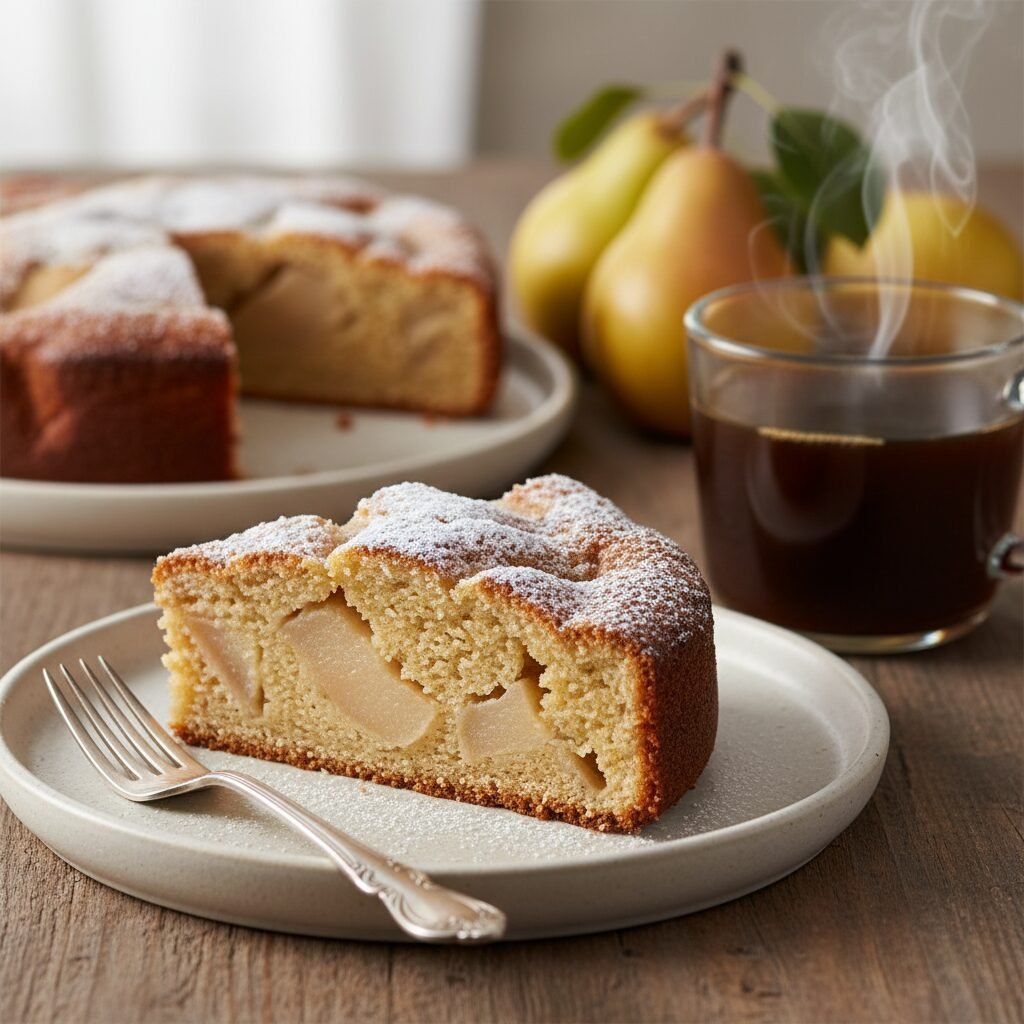
Start your weekend right with this incredibly moist pear cake, bursting with fresh fruit chunks and warm autumn spices. It is the perfect rustic centerpiece for any brunch spread, pairing beautifully with your morning coffee or tea.
20 minutes
50 minutes
1 hour 10 minutes
1 9-inch cake (8-10 servings)
Breakfast/Brunch
Baking
American / European Fusion
Vegetarian
There is something undeniably magical about the aroma of spiced fruit baking in the oven on a lazy Sunday morning. This moist pear cake for brunch is designed to capture that exact feeling of comfort and indulgence. Unlike drier coffee cakes that rely heavily on glazes or syrups for moisture, this recipe celebrates the natural juiciness of ripe pears. As the pears bake, they release their sweet nectar into the batter, creating pockets of tender fruit that melt in your mouth with every bite.
This cake is not just a breakfast item; it is a celebration of seasonal produce. Whether you are using Bartletts, Boscs, or Anjous, the result is a sophisticated yet humble dessert that bridges the gap between a morning pastry and an afternoon treat. The crumb is soft and dense enough to hold the fruit but light enough to feel appropriate for a first meal of the day. We have balanced the sweetness with a hint of nutmeg and cinnamon, ensuring that the natural floral notes of the pear shine through without being overpowered by sugar.
Serving this cake warm, perhaps with a dollop of crème fraîche or a simple dusting of powdered sugar, elevates a standard brunch into a memorable occasion. It is the kind of recipe that guests will ask for before they leave, and one that you will find yourself returning to whenever you have a few ripe pears sitting on the counter. It embodies the essence of slow living and the joy of homemade baking, making it a staple for anyone who loves to host or simply treat themselves to a slice of happiness.
History & Origins
The tradition of incorporating fresh fruit into cakes dates back centuries, with roots deeply embedded in European baking cultures. Pears, specifically, have been a cherished ingredient since ancient times. Cultivated by the Romans and revered in France and Italy during the Renaissance, pears were often poached or baked into tarts to preserve their delicate flavor. In medieval Europe, fruit cakes were dense and heavily spiced, often used to extend the shelf life of seasonal harvests. However, the concept of the lighter, sponge-like fruit cake we know today began to take shape in the 18th and 19th centuries with the refinement of leavening agents like baking powder.
As European immigrants brought their baking traditions to North America, the ‘coffee cake’ culture emerged. This was less about a cake made with coffee and more about a sweet bread or cake intended to be eaten alongside a hot beverage. The pear cake fits perfectly into this lineage. In many rural American communities, ‘harvest cakes’ became a way to utilize the abundance of fruit from orchard harvests in late summer and early autumn. Unlike the apple, which dominates much of American baking lore, the pear offers a subtler, more sophisticated profile that was often favored in Victorian-era tea cakes.
Today, the brunch movement has revitalized these rustic bakes. Modern brunch culture, which blends the sweet and savory, provides the perfect stage for a moist pear cake. It honors the historical method of using simple, high-quality ingredients to create something that feels both homely and elegant, connecting us to generations of bakers who knew that the best way to start the day was with a slice of something sweet and homemade.
Why This Recipe Works
This recipe succeeds where many fruit cakes fail because of the specific handling of the main ingredient and the batter’s composition. Pears are naturally high in water content, which can sometimes lead to a soggy bottom or a gummy texture if not managed correctly. This recipe combats that issue by using a thick, creamed-butter batter that is sturdy enough to suspend the fruit chunks evenly throughout the cake, rather than letting them sink to the bottom.
Furthermore, the inclusion of Greek yogurt (or sour cream) is a game-changer. The acidity in the yogurt reacts with the baking soda to create a tender, airy crumb, while the fat content ensures the cake remains moist for days. We also dice the pears rather than grating them; this preserves distinct pockets of fruit that provide a wonderful textural contrast to the soft sponge.
Another reason this works is the spice blend. Pears have a delicate flavor that can easily be lost. By using a specific ratio of cinnamon to nutmeg and a pinch of cardamom, we enhance the pear’s floral characteristics rather than masking them. Finally, the baking temperature is set slightly lower than average to allow the dense batter to cook through evenly without burning the exterior, ensuring a perfect, golden crust and a fully cooked, moist interior.
Why You’ll Love This Recipe
- ✓Incredibly moist texture thanks to Greek yogurt and fresh pears.
- ✓Perfect balance of spices that enhances the pear flavor.
- ✓Rustic presentation that looks beautiful on any brunch table.
- ✓Freezes beautifully for make-ahead meal prep.
- ✓Uses simple pantry staples alongside fresh seasonal fruit.
- ✓Versatile enough for breakfast, brunch, or dessert.
Equipment You’ll Need
- ✓9-inch Springform Pan or Round Cake Pan
- ✓Electric Mixer (Hand or Stand)
- ✓Large Mixing Bowl
- ✓Medium Mixing Bowl
- ✓Whisk
- ✓Rubber Spatula
- ✓Peeler and Knife
- ✓Wire Cooling Rack
Ingredients
- ✓2 cups All-Purpose Flour
- ✓1 tsp Baking Powder
- ✓1/2 tsp Baking Soda
- ✓1/2 tsp Salt
- ✓1 tsp Ground Cinnamon
- ✓1/4 tsp Ground Nutmeg
- ✓1/8 tsp Ground Cardamom (optional)
- ✓1/2 cup Unsalted Butter, softened
- ✓3/4 cup Granulated Sugar
- ✓2 Large Eggs, room temperature
- ✓1 tsp Pure Vanilla Extract
- ✓1/2 cup Plain Greek Yogurt or Sour Cream
- ✓3 Ripe Pears (Bartlett or Bosc), peeled, cored, and diced
- ✓1 tbsp Brown Sugar (for topping)
- ✓Powdered Sugar (for dusting)
Instructions
- Preheat your oven to 350°F (175°C). Grease a 9-inch springform pan generously with butter and line the bottom with parchment paper to ensure easy removal.
- In a medium bowl, whisk together the flour, baking powder, baking soda, salt, cinnamon, nutmeg, and cardamom. Set this dry mixture aside.
- In a large mixing bowl or the bowl of a stand mixer, cream the softened butter and granulated sugar together on medium-high speed for about 3-4 minutes until the mixture is pale, light, and fluffy.
- Add the eggs one at a time, beating well after each addition. Scrape down the sides of the bowl as needed. Mix in the vanilla extract.
- Reduce the mixer speed to low. Add half of the flour mixture to the wet ingredients and mix until just combined.
- Mix in the Greek yogurt (or sour cream), followed by the remaining flour mixture. Do not overmix; stop when the flour streaks have just disappeared.
- Gently fold the diced pears into the thick batter using a rubber spatula. Ensure the fruit is evenly distributed.
- Pour the batter into the prepared pan and smooth the top with your spatula. Sprinkle the tablespoon of brown sugar over the top for a crunchy crust.
- Bake in the center of the oven for 45-55 minutes, or until a toothpick inserted into the center comes out clean or with a few moist crumbs attached.
- Remove from the oven and let the cake cool in the pan for 10-15 minutes. Run a knife around the edge to loosen it before removing the sides of the springform pan.
- Transfer the cake to a wire rack to cool completely. Dust generously with powdered sugar before slicing and serving.
Expert Cooking Tips
- ✓Use room temperature ingredients (butter, eggs, yogurt) to ensure the batter emulsifies properly.
- ✓Do not overmix the batter once the flour is added, as this can develop gluten and result in a tough, rubbery cake.
- ✓Choose pears that are ripe but firm. Overly soft pears may turn into mush and make the cake too wet.
- ✓If the top of the cake is browning too quickly before the center is cooked, tent it loosely with aluminum foil.
- ✓Toss the diced pears in a teaspoon of flour before folding them in to prevent them from sinking, although the thick batter usually holds them well.
- ✓Let the cake cool sufficiently; cutting into it while it’s piping hot can cause it to crumble.
Substitutions and Variations
This recipe is quite forgiving and allows for several substitutions depending on your dietary needs or pantry stock. If you do not have Greek yogurt, full-fat sour cream is an excellent 1:1 substitute that provides the same richness and acidity. For a dairy-free version, you can use a plant-based butter and a thick coconut yogurt or almond milk yogurt, though the texture may vary slightly.
In terms of flour, you can substitute up to 50% of the all-purpose flour with whole wheat pastry flour for a nuttier, more wholesome flavor without making the cake too dense. For a gluten-free option, use a high-quality 1:1 gluten-free baking flour blend that contains xanthan gum.
As for the fruit, while this is a pear cake, apples work wonderfully as a direct substitute. You can also mix pears with berries, such as cranberries or blackberries, for a burst of tartness. If you don’t have brown sugar for the topping, turbinado sugar or coarse sparkling sugar adds a fantastic crunch.
Common Mistakes to Avoid
The most common mistake with this recipe is using pears that are either too hard or too soft. Under-ripe pears won’t soften enough during baking and will lack flavor, while over-ripe pears release too much liquid, leading to a soggy cake that may never fully set in the middle. Aim for pears that yield slightly to pressure but aren’t mushy.
Another frequent error is over-creaming or under-creaming the butter and sugar. You want it fluffy and pale to incorporate air, which acts as a mechanical leavening agent. Conversely, overmixing the flour is a surefire way to kill the tenderness of the cake.
Finally, opening the oven door too often to check on the cake can cause the temperature to fluctuate and the cake to sink in the middle. Rely on the oven light and only check with a toothpick towards the end of the baking time.
Serving Suggestions
This Moist Pear Cake is versatile enough to be served warm or at room temperature. For a classic brunch presentation, serve slices slightly warm with a dollop of lightly sweetened whipped cream or a scoop of vanilla bean ice cream if you are leaning towards dessert. A drizzle of salted caramel sauce pairs exceptionally well with the pear and spice flavors.
For a lighter breakfast option, serve it alongside a bowl of Greek yogurt and fresh berries. Beverage-wise, this cake complements a dark roast coffee, an Earl Grey tea, or even a mimosa. The subtle spices in the cake harmonize beautifully with the tannins in tea and the acidity in coffee.
Storage and Reheating Tips
To store this cake, allow it to cool completely on the wire rack. Once cool, store it in an airtight container at room temperature for up to 2 days. Because of the high moisture content from the fruit, if you live in a particularly humid climate, it is safer to store it in the refrigerator, where it will keep for up to 5 days.
To reheat, simply zap a slice in the microwave for 15-20 seconds to restore that fresh-baked warmth. This cake also freezes exceptionally well. Wrap individual slices tightly in plastic wrap and then place them in a freezer-safe bag. They can be frozen for up to 3 months. Thaw overnight in the refrigerator or on the counter for an hour before serving.
Nutrition Facts (Estimated)
| Serving Size | 1 slice |
| Calories | 320 |
| Fat | 14g |
| Saturated Fat | 8g |
| Unsaturated Fat | 5g |
| Trans Fat | 0g |
| Cholesterol | 45mg |
| Sodium | 180mg |
| Carbohydrates | 45g |
| Fiber | 3g |
| Sugar | 22g |
| Protein | 5g |
Frequently Asked Questions
Can I use canned pears instead of fresh ones?
Yes, you can use canned pears, but the texture will be softer. Ensure you drain them thoroughly and pat them dry with paper towels to avoid adding excess liquid to the batter.
Why did my cake sink in the middle?
Sinking usually happens if the cake was underbaked, the oven door was opened too early, or there was too much leavening agent. Ensure the toothpick comes out clean before removing it from the oven.
Do I need to peel the pears?
It is recommended to peel the pears for a smoother texture. However, if you enjoy a more rustic texture and added fiber, you can leave the skins on, provided you wash them thoroughly.
Can I make this cake in a loaf pan?
Absolutely. A standard 9×5 inch loaf pan works well. You may need to adjust the baking time, likely adding 5-10 minutes, as the batter will be deeper.
Is this cake overly sweet?
No, this cake is designed to be moderately sweet, relying on the natural sugars of the fruit. It is perfect for brunch where you might not want a heavy dessert-level sweetness.
Can I add nuts to this recipe?
Yes! ½ cup of chopped walnuts or pecans adds a wonderful crunch and pairs perfectly with the autumn spices.
What is the best variety of pear to use?
Bartlett and Bosc pears are the top choices. Bartletts break down slightly to become jammy, while Boscs hold their shape better. A mix of both is often a great idea.
Can I use oil instead of butter?
You can, but butter provides a specific flavor and crumb structure that oil doesn’t replicate perfectly. If using oil, use a neutral oil like canola or vegetable, and expect a slightly denser crumb.
Conclusion
This Moist Pear Cake for Brunch is more than just a recipe; it is a comforting ritual that celebrates the flavors of the season. Whether you are an experienced baker or a novice in the kitchen, this straightforward guide ensures a delicious result every time. The combination of juicy pears, warm spices, and a tender crumb makes it a standout dish that your family and friends will cherish. We hope this cake brings warmth to your kitchen and joy to your brunch table. Don’t forget to pin this recipe for your next weekend gathering!