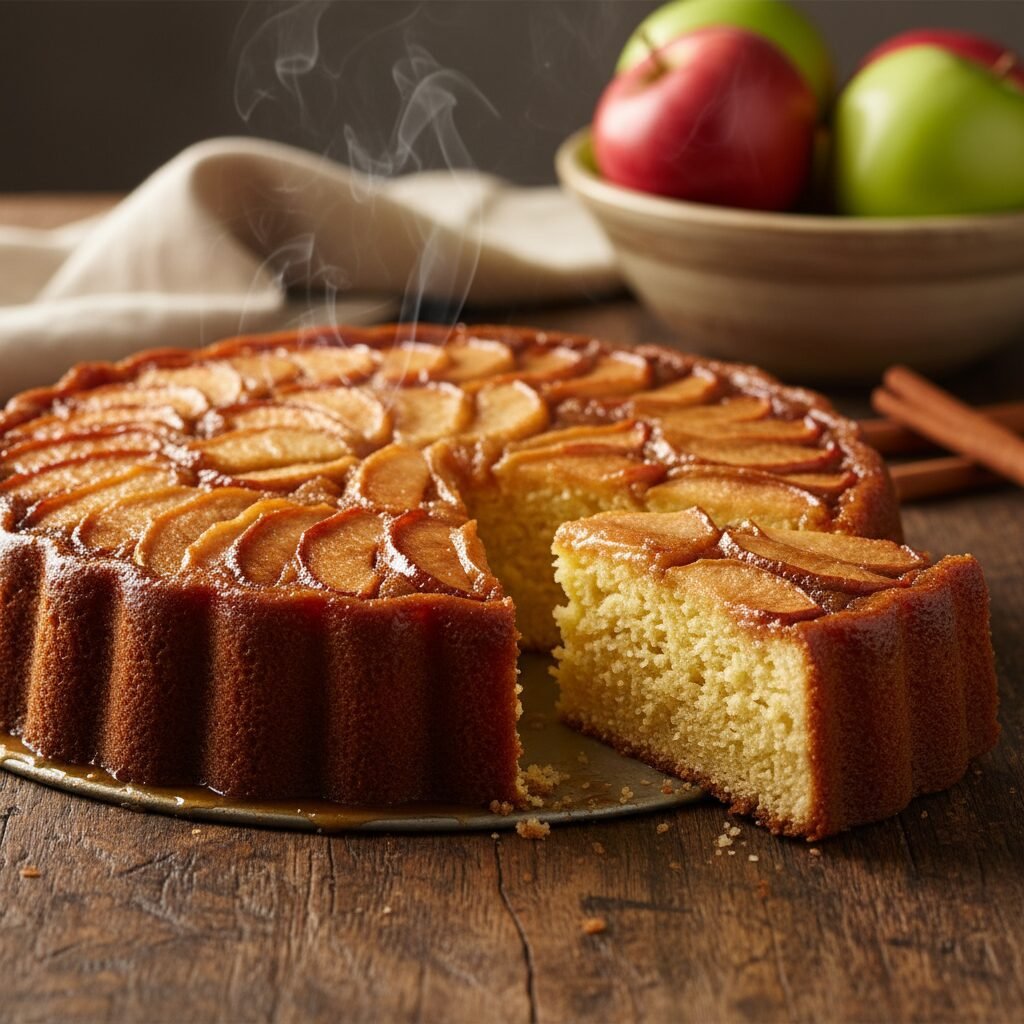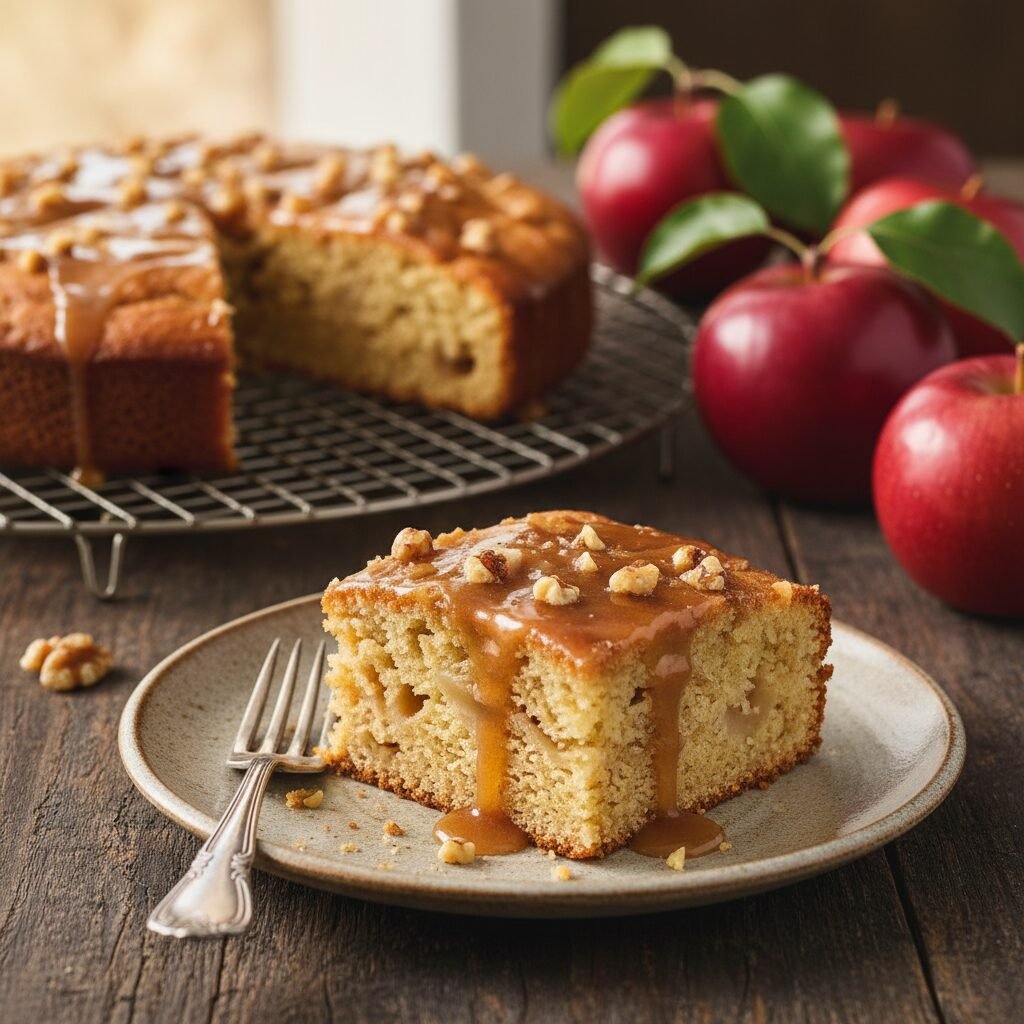
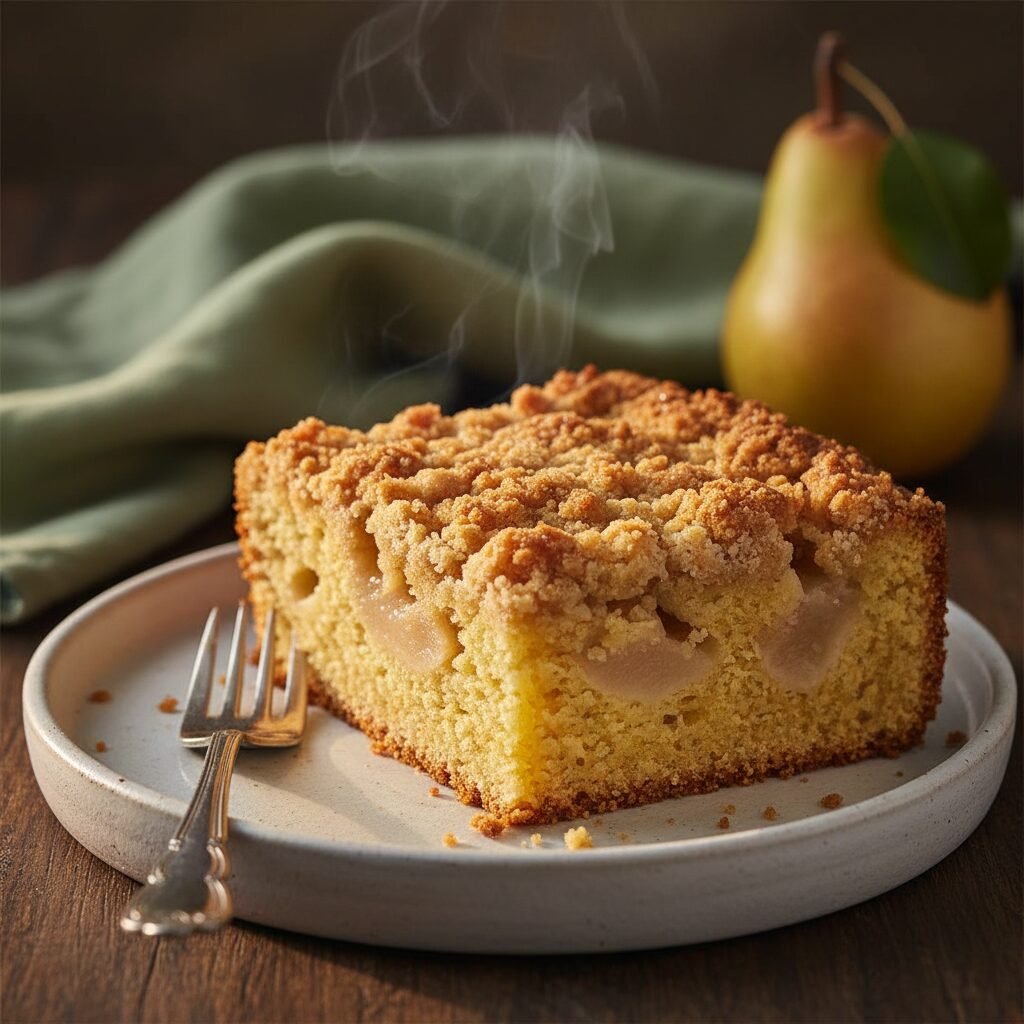
Moist Pear Streusel Cake Recipe
This isn’t just another coffee cake; it’s a celebration of autumn flavors featuring tender chunks of fresh pears and a buttery, crunchy streusel topping. Perfectly moist thanks to a secret ingredient, this cake is the ultimate companion for your morning coffee or a cozy dessert.
20 minutes
50 minutes
1 hour 10 minutes
10-12 servings
Dessert
Baking
American / German-Inspired
Vegetarian
When the air turns crisp and the leaves begin to turn, most home bakers immediately reach for apples and pumpkin. While I adore those classics, I firmly believe that pears are the unsung heroes of fall baking. This Moist Pear Streusel Cake is my love letter to the season, designed to highlight the delicate, floral sweetness of ripe pears against a backdrop of warm spices and buttery cake. There is a specific kind of magic that happens when pears bake; they don’t just soften, they transform into translucent jewels of honeyed flavor that melt in your mouth.
What sets this recipe apart is the texture. We are aiming for a crumb that is dense enough to hold the fruit but light enough to feel like a treat, not a brick. To achieve this, I’ve incorporated Greek yogurt into the batter, which ensures the cake stays incredibly moist for days—if it lasts that long! The contrast is key here: the tender, almost custard-like pockets of fruit are perfectly offset by the rugged, crunchy landscape of the streusel topping. I’ve infused the crumble with a hint of cardamom alongside the traditional cinnamon. Cardamom has a unique affinity for pears, elevating their natural flavor profile without overpowering it.
Whether you are hosting a brunch, looking for a Sunday afternoon project, or simply need a slice of comfort to get through the week, this cake delivers. It fills the kitchen with an intoxicating aroma of browned butter and spice that feels like a warm hug. It’s rustic enough to serve straight from the pan but elegant enough to plate for guests. So, grab your favorite mixing bowl, and let’s give the humble pear the spotlight it truly deserves.
History & Origins
The concept of this cake is a beautiful marriage between American coffee cake culture and traditional German baking techniques. The star of the show—the topping—traces its roots back to Germany. The word ‘Streusel’ comes from the German word ‘streuen,’ which means ‘to scatter’ or ‘to strew.’ Historically, streusel cakes (Streuselkuchen) were simple yeast doughs topped with a mixture of flour, sugar, and butter, served as a staple during the late 19th century in Silesia. As German immigrants moved to North America, they brought these recipes with them, where they eventually evolved. The yeast bases were often swapped for quicker, chemically leavened batters (using baking powder or soda), giving birth to the modern ‘crumb cake’ or ‘coffee cake’ we know today.
Pears themselves have an ancient lineage in culinary history. Homer, in ‘The Odyssey,’ referred to pears as a ‘gift of the gods.’ Cultivated in China for at least 3,000 years and a favorite of European aristocracy during the Renaissance, pears have always been prized for their texture and keeping qualities. In the 17th and 18th centuries, the French developed the buttery texture of pears we enjoy today, specifically varieties like the Beurré (meaning ‘buttered’). Combining this ancient fruit with the 19th-century innovation of crumb topping creates a dessert that feels timeless. This recipe honors that history by keeping the flavors pure and the technique straightforward, bridging the gap between Old World tradition and modern American comfort food.
Why This Recipe Works
Fruit-heavy cakes often suffer from one of two problems: they are either dry because the batter overcompensates for the fruit juice, or they are a soggy mess because the fruit releases too much liquid. This recipe solves both issues through the chemistry of ingredients and structural engineering. First, the inclusion of full-fat Greek yogurt (or sour cream) provides acidity. This acidity reacts with the baking soda for a superior rise, but more importantly, the fat content coats the flour proteins, inhibiting gluten formation. This results in a tender, velvety crumb that remains moist.
Secondly, we address the ‘soggy bottom’ syndrome. By cutting the pears into chunks rather than thin slices, we maintain their structural integrity. We also toss the pear chunks in a tiny bit of flour before folding them in; this creates a friction barrier that prevents them from sinking to the bottom of the pan during the bake. Finally, the streusel ratio is critical. A common mistake is a streusel that melts into a puddle. This recipe uses a higher ratio of flour and cold butter to sugar, ensuring the crumbs stay distinct and crunchy, providing that essential textural contrast to the soft fruit and sponge. The result is a scientifically balanced bite of soft, creamy, and crunchy elements.
Why You’ll Love This Recipe
- ✓Incredible Texture: A soft, yogurt-based crumb meets crunchy, spiced streusel.
- ✓Seasonal Flavor: Highlights the floral sweetness of fresh pears with cardamom and cinnamon.
- ✓Stays Moist: The high-fat dairy content ensures the cake remains fresh for days.
- ✓Freezer Friendly: Slices freeze beautifully for a quick breakfast treat later.
- ✓Versatile: Perfect for breakfast, brunch, or dessert with vanilla ice cream.
Equipment You’ll Need
- ✓9-inch Springform Pan or 9×9 square pan
- ✓Stand mixer or electric hand mixer
- ✓Large mixing bowl
- ✓Medium mixing bowl (for streusel)
- ✓Whisk
- ✓Rubber spatula
- ✓Peeler and knife
Ingredients
- ✓2 cups All-Purpose Flour (divided for cake and fruit)
- ✓1 tsp Baking Powder
- ✓1/2 tsp Baking Soda
- ✓1/2 tsp Salt
- ✓1/2 cup Unsalted Butter, softened (for cake)
- ✓3/4 cup Granulated Sugar
- ✓2 large Eggs, room temperature
- ✓1 tsp Pure Vanilla Extract
- ✓1/2 cup Greek Yogurt or Sour Cream
- ✓2 large Ripe Pears (Bartlett or Bosc), peeled, cored, and chopped
- ✓FOR THE STREUSEL: 3/4 cup All-Purpose Flour
- ✓1/2 cup Light Brown Sugar, packed
- ✓1 tsp Ground Cinnamon
- ✓1/4 tsp Ground Cardamom
- ✓6 tbsp Unsalted Butter, cold and cubed
Instructions
- Preheat your oven to 350°F (175°C). Grease a 9-inch springform pan with butter and line the bottom with parchment paper for easy removal.
- Prepare the Streusel: In a medium bowl, whisk together the 3/4 cup flour, brown sugar, cinnamon, and cardamom. Cut in the cold, cubed butter using a pastry cutter or your fingers until the mixture resembles coarse crumbs. Place this bowl in the fridge to keep the butter cold while you make the batter.
- Prepare the Dry Ingredients: In a separate bowl, whisk together 1 3/4 cups of the flour, baking powder, baking soda, and salt. Set aside.
- Cream Butter and Sugar: In a large bowl or stand mixer fitted with the paddle attachment, beat the softened butter and granulated sugar on medium-high speed for 3-4 minutes until pale and fluffy.
- Add Wet Ingredients: Lower the speed and add eggs one at a time, beating well after each addition. Scrape down the sides of the bowl. Mix in the vanilla extract and the Greek yogurt (or sour cream) until combined.
- Combine: Gradually add the dry ingredients to the wet mixture on low speed. Mix only until just combined and no streaks of flour remain. Do not overmix.
- Prep the Pears: Toss the chopped pears with the remaining 1/4 cup of flour. This prevents them from sinking. Gently fold the pears into the thick batter using a spatula.
- Assemble: Pour the batter into the prepared pan and smooth the top with an offset spatula. Sprinkle the chilled streusel topping evenly over the batter.
- Bake: Bake for 45-55 minutes, or until a toothpick inserted into the center comes out clean or with just a few moist crumbs attached. If the top browns too quickly, tent loosely with foil after 30 minutes.
- Cool: Allow the cake to cool in the pan on a wire rack for at least 20 minutes. Run a knife around the edge before releasing the springform ring. Let it cool completely before slicing.
Expert Cooking Tips
- ✓Room Temperature Ingredients: Ensure your eggs, yogurt, and butter for the cake are at room temperature. This creates a smoother emulsion and a better rise.
- ✓Cold Butter for Streusel: Conversely, the butter for the topping must be cold. If it’s warm, it will melt into the cake rather than staying crunchy.
- ✓Don’t Overmix: When adding the flour, stop mixing as soon as it disappears. Overmixing develops gluten, leading to a tough, rubbery cake.
- ✓Pear Selection: Use pears that are ripe but firm. If they are too soft/mushy, they will disintegrate into liquid during baking.
- ✓Tenting with Foil: Streusel toppings can burn due to the sugar content. Keep an eye on the oven and cover with foil if it gets dark before the center is cooked.
Substitutions and Variations
This recipe is quite flexible regarding substitutions. If you don’t have pears, this base works wonderfully with apples (Granny Smith or Honeycrisp) or even stone fruits like peaches in the summer. For the dairy, full-fat sour cream is the best swap for Greek yogurt, but plain buttermilk can work in a pinch (though the batter will be thinner). If you need to make this gluten-free, swap the all-purpose flour for a high-quality 1:1 Gluten-Free Baking Flour blend that contains xanthan gum; the texture changes slightly but remains delicious. For the spices, if you dislike cardamom, simply omit it or increase the cinnamon. You can also add a pinch of nutmeg or ginger for a spicier kick. Brown sugar in the streusel can be replaced with coconut sugar for a slightly lower glycemic index, though the texture of the crumble may be less crisp.
Common Mistakes to Avoid
The most common mistake with this cake is using under-ripe or over-ripe pears. Under-ripe pears will remain hard and flavorless, while over-ripe pears release too much water, creating a gummy ring around the fruit. Look for pears that yield slightly to pressure near the stem but are still firm. Another frequent error is opening the oven door too often. This causes temperature fluctuations that can make the cake sink in the middle. Trust your timer and only check towards the end. Finally, do not skip the step of tossing the pears in flour. If you skip this, you will likely end up with a layer of fruit at the bottom of the pan and plain cake on top.
Serving Suggestions
This cake is incredibly versatile. For a cozy breakfast, serve a slice slightly warm with a dollop of plain yogurt and a drizzle of honey. It pairs exceptionally well with a dark roast coffee or a chai latte. For dessert, elevate the dish by warming the slice and serving it with a scoop of vanilla bean ice cream or a pour of warm vanilla custard (crème anglaise). A dusting of powdered sugar right before serving adds a professional bakery finish. If you want to get fancy, a drizzle of salted caramel sauce over the top makes it decadent.
Storage and Reheating Tips
This cake stores very well due to the yogurt in the batter. It can be kept at room temperature in an airtight container for up to 2 days. If you live in a very hot or humid climate, store it in the refrigerator for up to 5 days; just bring it to room temperature before eating for the best texture. To freeze, wrap individual slices tightly in plastic wrap and then place them in a freezer-safe Ziploc bag. They will keep for up to 3 months. Thaw on the counter for an hour or microwave for 20-30 seconds to reheat.
Nutrition Facts (Estimated)
| Serving Size | 1 slice |
| Calories | 340 |
| Fat | 16g |
| Saturated Fat | 9g |
| Unsaturated Fat | 6g |
| Trans Fat | 0g |
| Cholesterol | 65mg |
| Sodium | 180mg |
| Carbohydrates | 45g |
| Fiber | 3g |
| Sugar | 22g |
| Protein | 5g |
Frequently Asked Questions
Can I use canned pears for this recipe?
I do not recommend canned pears. They are usually too soft and contain excess moisture, which can make the cake soggy. Fresh pears provide the best texture and flavor.
Why did my streusel sink into the cake?
This usually happens if the batter was too thin or the streusel butter was too warm. Ensure your batter is thick (like a muffin batter) and your streusel butter is cold when it goes into the oven.
Do I have to peel the pears?
Yes, for this cake, peeling is recommended. Pear skin can become tough and chewy when baked inside a cake, which interferes with the soft texture we are aiming for.
Can I bake this in a bundt pan?
Streusel cakes can be tricky in bundt pans because the streusel ends up on the bottom (which becomes the top) and can stick or burn. A springform, round cake pan, or square baking dish is safer.
What is the best variety of pear to use?
Bartlett pears are great for a softer, sweeter fruit pocket. Bosc or Anjou pears hold their shape better if you prefer distinct chunks. Avoid very crunchy varieties meant for raw eating.
My cake is browning too fast but the center is raw. What do I do?
Tent the cake loosely with aluminum foil. This deflects the direct heat from the top, allowing the center to continue cooking without burning the streusel.
Can I use oil instead of butter for the cake base?
You can use a neutral oil (like canola or vegetable) for a very moist crumb, but you will lose the rich flavor that butter provides. If swapping, use 1/2 cup of oil.
How do I know when the cake is exactly done?
Insert a wooden skewer or toothpick into the center. It should come out clean or with a few moist crumbs. If you see wet batter on the stick, it needs more time.
Can I add nuts to the streusel?
Absolutely! 1/2 cup of chopped pecans or walnuts added to the streusel mixture adds a wonderful crunch and nutty flavor that pairs well with pears.
Conclusion
There you have it—a Moist Pear Streusel Cake that captures the essence of the season in every bite. It’s a recipe that rewards you with a bakery-quality result for relatively little effort. The interplay of the spiced, crunchy topping with the meltingly soft pears and tender cake is truly something special. I hope this cake becomes a new tradition in your home, filling your kitchen with warmth and your table with smiles. Whether you share it with friends over coffee or keep it all to yourself (I won’t tell!), it’s a bake that never disappoints. Happy baking!