Moist Pecan Snack Cake Recipe
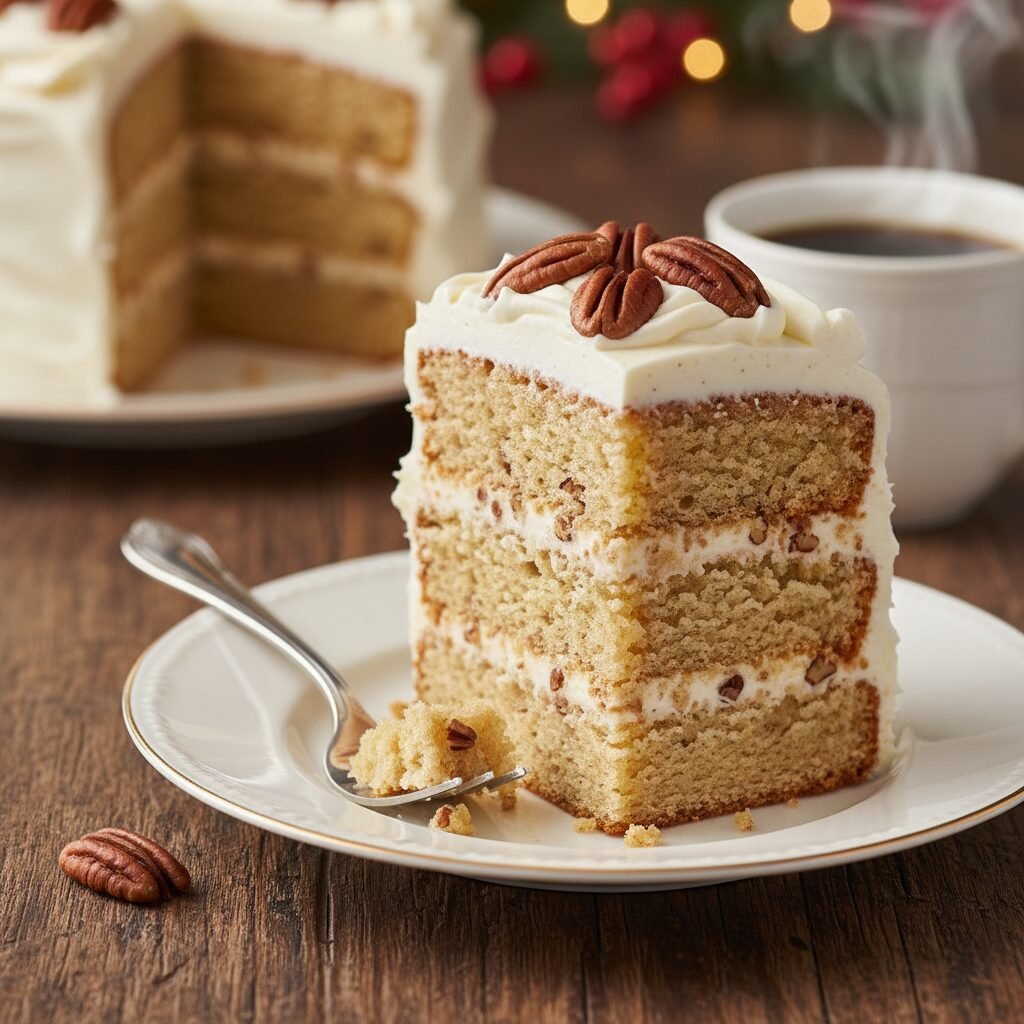
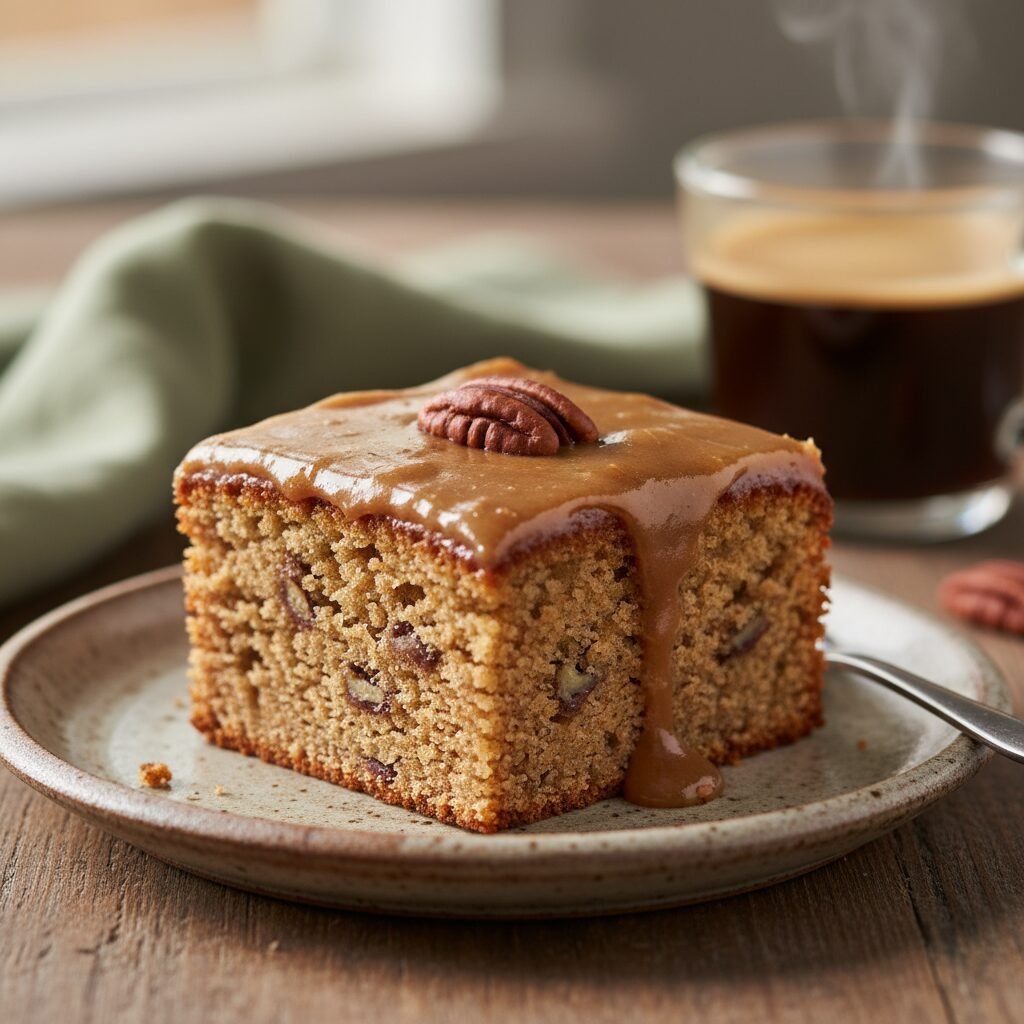
This incredibly moist pecan snack cake is the ultimate comfort food, featuring a tender, buttermilk-infused crumb loaded with toasted pecans. Topped with a rich, nutty browned butter frosting, it is the perfect easy dessert for coffee breaks, after-school snacks, or casual gatherings.
20 minutes
35 minutes
55 minutes
9 to 12 servings
Dessert
Baking
American Southern
Vegetarian
There is something undeniably nostalgic and comforting about a classic snack cake. Unlike towering layer cakes that require architectural precision and hours of decorating, a snack cake is humble, accessible, and designed to be eaten with your hands, perhaps with a napkin in one hand and a cup of strong coffee in the other. This Moist Pecan Snack Cake is the epitome of that cozy, homemade feeling. It celebrates the rich, buttery flavor of pecans, a staple of Southern American baking, and pairs them with a crumb so tender it practically melts in your mouth. The secret lies in the combination of brown sugar for depth, sour cream for acidity and tenderness, and a generous amount of toasted nuts that provide a satisfying crunch in every bite. But the real showstopper is the frosting. We do not just use plain butter; we take the time to brown it, unlocking nutty, caramel-like notes that complement the pecans perfectly. This cake is not just a dessert; it is an all-day treat. It is sturdy enough to be packed in a lunchbox yet elegant enough to serve to guests after a dinner party. Whether you are a seasoned baker or a novice in the kitchen, this recipe delivers high-impact flavor with minimal effort, making it a guaranteed addition to your regular baking rotation.
History & Origins
The concept of the ‘snack cake’ gained immense popularity in the United States during the mid-20th century. As post-war suburban life flourished, there was a growing demand for convenient, easy-to-make treats that could be whipped up for children returning from school or for impromptu neighborhood gatherings. While commercial brands like Little Debbie and Hostess began mass-producing snack cakes in the 1960s, the homemade version remained a steadfast tradition in American kitchens, particularly in the South and Midwest. This specific recipe draws heavy inspiration from Southern baking traditions, where pecans are a revered ingredient. Native to the Mississippi Valley and widely cultivated in Georgia, Texas, and New Mexico, pecans have been a dietary staple for Native Americans for centuries before becoming a cash crop in the late 1800s. By the 1950s, ‘sheet cakes’ and ‘pan cakes’ utilizing these nuts became fixtures in church cookbooks and community fundraisers. The evolution of this dish from a simple nut cake to this moist, frosted version reflects the American home baker’s desire to elevate simple ingredients into something special, using the Maillard reaction in browned butter to create a sophisticated flavor profile in a simple, rustic package.
Why This Recipe Works
This recipe succeeds where many dry, lackluster nut cakes fail because of a few key chemical interactions and technique choices. First and foremost is the use of sour cream (or full-fat Greek yogurt) in the batter. The acidity in the dairy reacts with the baking soda to create lift, but more importantly, the fat content interferes with gluten formation, ensuring the crumb remains short and tender rather than tough or bready. We also use a blend of oil and butter in the batter; butter provides the essential flavor, while oil ensures the cake stays moist for days, as oil remains liquid at room temperature unlike butter. Another crucial step often overlooked is toasting the pecans before adding them to the batter. Raw nuts can be waxy and bland, but a quick toast releases their natural oils and intensifies their flavor, ensuring the nuttiness permeates the entire cake. Finally, the frosting uses browned butter. By cooking the butter until the milk solids turn golden, we introduce a complex, toffee-like flavor that cuts through the sweetness of the powdered sugar, creating a topping that is rich and flavorful without being cloyingly sweet. The ratio of frosting to cake is balanced so that neither element overpowers the other.
Why You’ll Love This Recipe
- ✓Incredibly moist texture that stays fresh for days
- ✓Rich, nutty flavor from toasted pecans and browned butter
- ✓Simple one-layer preparation with no fancy decorating skills needed
- ✓Versatile enough for breakfast, brunch, or dessert
- ✓Freezes beautifully for meal-prepped treats
- ✓A crowd-pleasing recipe perfect for potlucks and holidays
Equipment You’ll Need
- ✓8×8 or 9×9 inch square baking pan
- ✓Medium saucepan (light-colored bottom preferred)
- ✓Large mixing bowl
- ✓Medium mixing bowl
- ✓Whisk
- ✓Rubber spatula
- ✓Measuring cups and spoons
- ✓Parchment paper
Ingredients
- ✓1 1/2 cups all-purpose flour
- ✓1 teaspoon baking powder
- ✓1/2 teaspoon baking soda
- ✓1/2 teaspoon salt
- ✓1 teaspoon ground cinnamon
- ✓1/2 cup unsalted butter, softened
- ✓1/2 cup vegetable oil or canola oil
- ✓1 cup light brown sugar, packed
- ✓2 large eggs, room temperature
- ✓1 teaspoon pure vanilla extract
- ✓1/2 cup full-fat sour cream or Greek yogurt
- ✓1 1/2 cups pecans, roughly chopped and divided
- ✓FOR THE FROSTING: 1/2 cup unsalted butter
- ✓2 cups powdered sugar, sifted
- ✓1 teaspoon vanilla extract
- ✓2-3 tablespoons heavy cream or whole milk
- ✓Pinch of salt
Instructions
- 1. Preheat your oven to 350°F (175°C). Grease an 8×8 or 9×9 inch square baking pan and line it with parchment paper, leaving an overhang on the sides for easy removal.
- 2. Spread the pecans on a baking sheet and toast in the preheating oven for 5-7 minutes until fragrant. Watch them closely to ensure they do not burn. Remove and let cool completely.
- 3. In a medium bowl, whisk together the flour, baking powder, baking soda, salt, and cinnamon. Set aside.
- 4. In a large bowl, cream together the softened butter, oil, and brown sugar until smooth and well combined (about 2 minutes by hand or 1 minute with a mixer).
- 5. Beat in the eggs one at a time, followed by the vanilla extract.
- 6. Gently stir in the sour cream until combined.
- 7. Fold the dry ingredients into the wet ingredients using a rubber spatula. Mix only until no flour streaks remain. Do not overmix.
- 8. Fold in 1 cup of the toasted chopped pecans (reserve the remaining 1/2 cup for topping).
- 9. Pour the batter into the prepared pan and smooth the top. Bake for 30-35 minutes, or until a toothpick inserted into the center comes out clean or with just a few moist crumbs.
- 10. While the cake cools, make the frosting. Place 1/2 cup butter in a light-colored saucepan over medium heat. Cook, swirling the pan occasionally, until the butter foams and then turns a golden amber color with a nutty aroma (about 5-8 minutes). Immediately remove from heat and pour into a heat-proof bowl to stop the cooking.
- 11. Let the browned butter cool for about 10 minutes until it is warm but not hot. Whisk in the powdered sugar, vanilla, salt, and 2 tablespoons of cream. If the frosting is too thick, add more cream, one teaspoon at a time, until it reaches a spreadable consistency.
- 12. Once the cake is completely cool, spread the frosting generously over the top. Sprinkle with the remaining toasted pecans.
- 13. Allow the frosting to set for 15 minutes before slicing into squares.
Expert Cooking Tips
- ✓Always toast your pecans before adding them to the batter; raw nuts lack the crunch and depth of flavor required for this recipe.
- ✓Use room temperature eggs and sour cream to ensure the batter emulsifies properly without curdling.
- ✓When browning butter, use a light-colored saucepan so you can clearly see the color change and avoid burning the milk solids.
- ✓Do not overmix the batter once the flour is added; overmixing develops gluten and results in a tough, rubbery cake.
- ✓Line your baking pan with parchment paper to easily lift the entire cake out for neat slicing.
- ✓Sift your powdered sugar before making the frosting to avoid grainy lumps.
- ✓If the frosting breaks or looks greasy, let it cool down further and whisk vigorously; it usually comes back together.
Substitutions and Variations
This recipe is quite forgiving and allows for several substitutions based on dietary needs or pantry availability. If you do not have pecans, walnuts are an excellent 1:1 substitute that offers a similar earthiness. For a nut-free version, you can omit the nuts entirely or substitute them with chocolate chips or dried cranberries, though the character of the cake will change. If you are out of sour cream, full-fat plain Greek yogurt or buttermilk are perfect alternatives; if using buttermilk, the batter may be slightly thinner, which is fine. You can replace the vegetable oil with melted coconut oil or even applesauce for a lower-fat version, though applesauce will make the texture more sponge-like and less rich. For the flour, a high-quality 1:1 gluten-free all-purpose flour blend works wonderfully for those with gluten sensitivities. In the frosting, if you find browned butter too intimidating, you can simply use softened regular butter for a standard buttercream, or even a cream cheese frosting if you prefer a tangier topping.
Common Mistakes to Avoid
The most common mistake with this cake is overbaking. Because it is a moist snack cake, it can go from perfect to dry very quickly. Start checking for doneness at the 30-minute mark. Another frequent error is burning the butter for the frosting. Browned butter can turn to burnt black butter in seconds; do not walk away from the stove, and remove it from the heat the moment you smell that nutty aroma and see amber flecks. Additionally, adding the frosting while the cake is still warm is a recipe for disaster; the butter-based frosting will melt and slide right off. Patience is key—let the cake reach room temperature. Finally, failing to measure flour correctly by scooping the cup into the bag packs the flour down, leading to a dense cake. Always spoon the flour into the cup and level it off.
Serving Suggestions
This Moist Pecan Snack Cake is versatile in how it can be served. Ideally, it is served at room temperature to keep the frosting soft and the crumb tender. It pairs exceptionally well with a hot cup of coffee or tea, making it a brilliant mid-morning or afternoon pick-me-up. For a more decadent dessert presentation, warm a slice slightly in the microwave (just for 10 seconds) and top it with a scoop of vanilla bean ice cream and a drizzle of caramel sauce. It also works well as a brunch item, served alongside fruit salad. If you are hosting a party, cut the cake into smaller, bite-sized squares and serve them on a platter as ‘petit fours’ style finger food.
Storage and Reheating Tips
This cake stores beautifully, which is one of its best qualities. Keep it in an airtight container at room temperature for up to 3 days; the oil in the batter ensures it stays moist. If your kitchen is particularly hot or humid, you may want to store it in the refrigerator to prevent the frosting from melting, but be sure to bring it to room temperature before eating for the best texture. For longer storage, you can freeze the cake. You can freeze the entire slab (unfrosted is best, but frosted works too if wrapped carefully) or individual slices. Wrap each slice tightly in plastic wrap and then in aluminum foil. Freeze for up to 3 months. Thaw on the counter for a few hours before enjoying.
Nutrition Facts (Estimated)
| Serving Size | 1 square |
| Calories | 380 |
| Fat | 24g |
| Saturated Fat | 9g |
| Unsaturated Fat | 14g |
| Trans Fat | 0g |
| Cholesterol | 45mg |
| Sodium | 190mg |
| Carbohydrates | 38g |
| Fiber | 2g |
| Sugar | 28g |
| Protein | 4g |
Frequently Asked Questions
Can I double this recipe?
Yes, you can double the ingredients and bake it in a 9×13 inch rectangular pan. You may need to increase the baking time by 5-10 minutes, so keep an eye on it.
Why did my pecans sink to the bottom?
This happens if the batter is too thin or the nuts are too heavy. To prevent this, you can toss the chopped pecans in a tablespoon of flour before folding them into the batter. This adds friction and helps them stay suspended.
Can I use salted butter?
Yes, you can use salted butter. If you do, simply reduce the added salt in the cake recipe to 1/4 teaspoon and omit the pinch of salt in the frosting.
Is it necessary to brown the butter?
While not strictly necessary for the structure of the frosting, browning the butter adds a depth of flavor that elevates the cake from ‘good’ to ‘gourmet.’ We highly recommend not skipping this step.
Can I make this dairy-free?
Yes, use a plant-based butter alternative (one that comes in sticks, not tubs) and a dairy-free sour cream or yogurt. Note that plant-based butters do not ‘brown’ the same way dairy butter does due to the lack of milk solids, so you might skip the browning step.
How do I know when the butter is browned enough?
Watch for the foam to subside and look for small brown specks at the bottom of the pan. The smell will change from buttery to nutty and toasty. Once you smell that, take it off the heat immediately.
Can I use frozen pecans?
Absolutely. There is no need to thaw them before toasting. Just toss them in the oven as directed; they might take an extra minute to toast.
Why is my frosting runny?
This usually happens if the browned butter was too hot when you added the sugar, melting it. Or, you may have added too much liquid. Add more powdered sugar to thicken it up, or refrigerate it for 10 minutes to firm up the butter.
Conclusion
This Moist Pecan Snack Cake is a testament to the power of simple ingredients prepared with care. It is the kind of recipe that feels like a warm hug—uncomplicated, reliable, and deeply satisfying. Whether you are baking for a special occasion or just need a sweet treat to get you through the week, this cake delivers on all fronts. The combination of the tender, spiced crumb and the luxurious browned butter frosting creates a flavor profile that is timeless. We hope this cake finds a permanent place in your recipe box and brings as much joy to your kitchen as it has to ours. Happy baking!