Moist Raspberry Loaf Cake Recipe
Bursting with juicy, tart raspberries and bright lemon zest, this ultra-moist loaf cake is the perfect balance of sweet and tangy. It creates a tender, buttery crumb that melts in your mouth, making it an ideal companion for your morning coffee or an elegant afternoon tea.
20 minutes
60 minutes
1 hour 20 minutes
1 Loaf (8-10 slices)
Dessert
Baking
American
Vegetarian
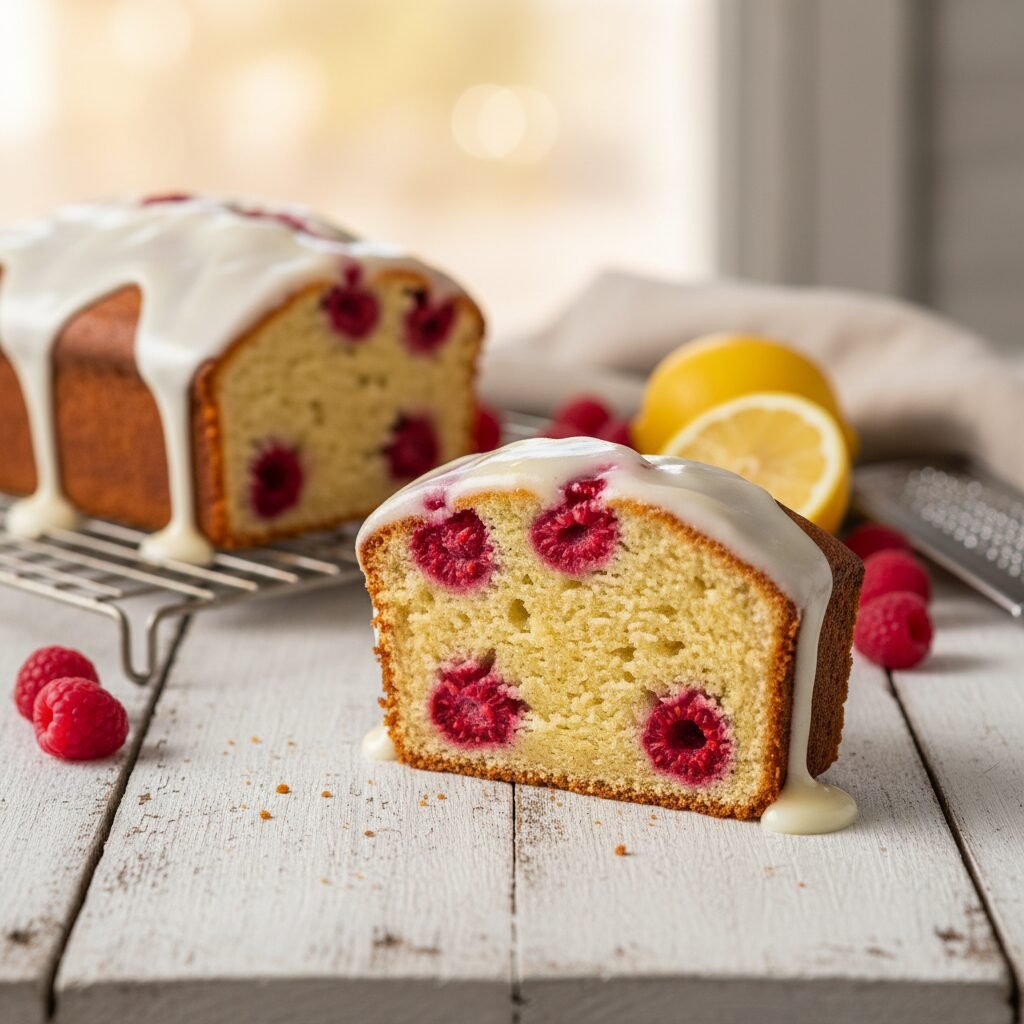
There is something undeniably comforting about a loaf cake. Unlike its more high-maintenance cousins—the layered birthday cakes or the delicate French patisseries—the loaf cake is humble, approachable, and deeply satisfying. This Moist Raspberry Loaf Cake is the epitome of rustic elegance, bringing the sunshine of fresh fruit into your kitchen regardless of the season. Imagine slicing into a golden-brown crust to reveal a dense yet incredibly tender interior, studded with ruby-red pockets of jammy raspberries. The aroma alone, a heady mix of buttery vanilla and zesty lemon, is enough to draw anyone to the kitchen. What sets this particular recipe apart is its texture. We have all suffered through dry, crumbly fruit cakes that require a gallon of tea to wash down. Not this one. Thanks to the inclusion of sour cream and a precise ratio of butter to flour, this cake retains a luxurious moisture that actually improves the day after baking. It is substantial enough to hold the fruit without becoming heavy, and delicate enough to feel like a treat. The flavor profile is a classic marriage of sweet and tart. The natural acidity of the raspberries cuts through the richness of the butter cake, while the lemon glaze adds a final, sugary zing that awakens the palate. Whether you are a seasoned baker looking for a reliable staple or a novice wanting to impress at a brunch potluck, this recipe delivers bakery-quality results with minimal effort. It is the kind of cake that begs to be eaten in thick slices, perhaps slightly warmed, with a dollop of crème fraîche or just on its own in quiet contentment.
History & Origins
The lineage of the modern fruit loaf cake can be traced back to the 18th-century ‘pound cake’ of Northern Europe. Originally named for its simple ratio of ingredients—one pound each of flour, butter, eggs, and sugar—these early cakes were dense, heavy, and relied solely on the aeration of eggs for lift, as chemical leaveners like baking powder had not yet been invented. As European settlers brought these recipes to the Americas, the formula evolved. By the 19th century, with the advent of baking soda and baking powder (pearl ash), bakers began to experiment with lighter textures and the incorporation of local fruits. The ‘quick bread’ or loaf cake became a staple in American households because it was faster to bake than yeast breads and more resilient than sponge cakes. Raspberries, the star of this dish, have a history as rich as the cake itself. Indigenous to Asia Minor and North America, wild raspberries were gathered by Native Americans long before European cultivation. They were prized not just for their flavor but for their medicinal properties. The pairing of soft berries with buttery cake batter is a testament to the ingenuity of home cooks who sought to preserve the fleeting harvest of summer berries. In the Victorian era, serving a fruit-studded tea cake became a symbol of hospitality. Today, the raspberry loaf cake represents a fusion of this sturdy European pound cake tradition with the American love for fresh, vibrant produce, bridging the gap between a hearty breakfast bread and a decadent dessert.
Why This Recipe Works
The success of this Moist Raspberry Loaf Cake relies on a few key food science principles that ensure a perfect crumb and even fruit distribution. First and foremost is the use of sour cream. Unlike milk, sour cream has a high fat content and high acidity. The acid tenderizes the gluten strands in the flour, preventing the cake from becoming tough or rubbery, while the fat adds richness and moisture that keeps the cake soft for days. This is superior to using milk alone, which would thin the batter too much. Secondly, the ‘creaming method’—beating the butter and sugar until pale and fluffy—is crucial. This incorporates air bubbles into the fat, which expand during baking to give the cake lift and structure. A common pitfall in fruit cakes is the ‘sinking fruit’ phenomenon, where all the berries end up at the bottom of the pan. To combat this, this recipe employs a high-density batter. By keeping the batter thick (thick enough to scoop rather than pour), the suspension is strong enough to hold the berries in place against gravity. Additionally, tossing the raspberries in a tablespoon of flour before folding them in creates friction, further helping them adhere to the batter. Finally, the lemon glaze is not just for decoration; it provides a textural contrast. The glaze seeps slightly into the top crust, creating a sugary seal that locks in moisture while adding a concentrated burst of acidity to balance the sugar.
Why You’ll Love This Recipe
- ✓Incredibly moist texture thanks to sour cream.
- ✓Bursting with fresh or frozen raspberries in every bite.
- ✓Easy one-bowl glazing method.
- ✓Freezes beautifully for up to 3 months.
- ✓Perfect balance of sweet cake and tart fruit.
- ✓No fancy equipment required—just a mixer and a loaf pan.
Equipment You’ll Need
- ✓9×5 inch Loaf Pan
- ✓Electric Hand Mixer or Stand Mixer
- ✓Large Mixing Bowl
- ✓Medium Mixing Bowl
- ✓Rubber Spatula
- ✓Cooling Rack
- ✓Zester/Microplane
- ✓Parchment Paper
Ingredients
- ✓2 cups All-Purpose Flour (plus 1 tbsp for coating berries)
- ✓1 tsp Baking Powder
- ✓1/2 tsp Salt
- ✓1/2 cup Unsalted Butter, softened to room temperature
- ✓1 cup Granulated Sugar
- ✓2 Large Eggs, room temperature
- ✓1 tsp Pure Vanilla Extract
- ✓1/2 cup Sour Cream (full fat), room temperature
- ✓1 tbsp Lemon Zest (approx. 1 lemon)
- ✓1 1/2 cups Fresh Raspberries (washed and thoroughly dried)
- ✓1 cup Powdered Sugar (for glaze)
- ✓2-3 tbsp Fresh Lemon Juice (for glaze)
Instructions
- 1. Preheat your oven to 350°F (175°C). Grease a 9×5 inch loaf pan generously with butter or non-stick spray and line it with parchment paper, leaving an overhang on the long sides for easy removal.
- 2. In a medium bowl, whisk together 2 cups of flour, baking powder, and salt until well combined. Set aside.
- 3. In a large bowl or the bowl of a stand mixer fitted with the paddle attachment, cream the softened butter and granulated sugar together on medium-high speed for about 3-4 minutes. The mixture should look pale yellow and fluffy.
- 4. Lower the mixer speed to medium and add the eggs one at a time, beating well after each addition. Scrape down the sides of the bowl with a rubber spatula. Mix in the vanilla extract and lemon zest.
- 5. Reduce mixer speed to low. Add half of the dry flour mixture to the wet ingredients and mix until just combined. Add the sour cream and mix briefly. Then, add the remaining flour mixture and mix until just barely combined. Do not overmix; the batter will be thick.
- 6. In a small bowl, toss the raspberries gently with the remaining 1 tablespoon of flour. This helps prevent them from sinking to the bottom of the cake.
- 7. Gently fold the flour-coated raspberries into the batter using a rubber spatula. Be careful not to crush the berries, though a few broken ones are fine and will create nice swirls.
- 8. Scrape the batter into the prepared loaf pan and smooth the top with your spatula.
- 9. Bake for 55 to 65 minutes. Check the cake at the 50-minute mark; if the top is browning too quickly, loosely tent it with aluminum foil. The cake is done when a toothpick inserted into the center comes out clean or with just a few moist crumbs attached.
- 10. Remove from the oven and let the cake cool in the pan for about 15-20 minutes. Then, use the parchment paper handles to lift the cake out and place it on a wire rack to cool completely.
- 11. While the cake cools, make the glaze. Whisk together the powdered sugar and lemon juice in a small bowl until smooth. Adjust consistency by adding more sugar for a thicker glaze or more juice for a thinner one.
- 12. Once the cake is completely cool, drizzle the glaze over the top. Let the glaze set for 10 minutes before slicing.
Expert Cooking Tips
- ✓Room Temperature Ingredients: Ensure your butter, eggs, and sour cream are at room temperature. This ensures they emulsify properly, creating a smooth, uniform batter that rises evenly.
- ✓Drying the Berries: If using fresh raspberries, wash them and let them dry completely on a paper towel. Excess water on the fruit can add too much moisture to the batter, causing soggy pockets.
- ✓Don’t Overmix: Once you add the flour, mix only until the flour streaks disappear. Overmixing develops gluten, which will make your loaf cake tough and dense instead of tender.
- ✓Tent with Foil: Loaf cakes take a long time to bake because of their depth. If you notice the top crust getting dark before the center is cooked, cover the top loosely with foil to prevent burning.
- ✓The Toothpick Test: Insert the toothpick into the very center of the crack on top of the loaf. If it hits a raspberry, it might come out wet, so try testing a spot nearby to ensure the actual cake batter is cooked.
Substitutions and Variations
This recipe is quite versatile regarding ingredient swaps. If you do not have sour cream, full-fat plain Greek yogurt is an excellent 1:1 substitute that provides similar acidity and moisture. For a lighter option, buttermilk can work, though the batter will be thinner, so reduce the amount slightly. If fresh raspberries are out of season or too expensive, frozen raspberries work perfectly. Do not thaw them before using; toss them in flour while frozen and fold them in at the very last second to prevent the batter from turning pink. You can also substitute other berries like blueberries, chopped strawberries, or blackberries. For the flour, a high-quality 1:1 Gluten-Free baking flour blend (one that contains xanthan gum) can be used to make this cake gluten-free. If you prefer orange over lemon, simply swap the lemon zest and juice for orange zest and juice for a different citrus profile. Lastly, if you are out of butter, you can use a neutral oil like vegetable or canola oil, but the flavor profile will lack that classic buttery richness.
Common Mistakes to Avoid
The most common mistake with loaf cakes is underbaking. Because the batter is dense and the pan is deep, the center takes a long time to set. Removing the cake too early will result in a raw, sunken middle. Always trust the toothpick test rather than just the timer. Another frequent error is using cold ingredients. Cold eggs hitting creamed butter can cause the mixture to curdle or separate, which affects the final rise. Make sure to set your ingredients out 30 minutes before baking. Sinking fruit is another issue; this usually happens if the batter is too thin or the fruit wasn’t coated in flour. Stick to the measurements carefully and don’t skip the flour-tossing step. Finally, glazing a warm cake is a mistake unless you want a soak. If the cake is hot, the glaze will melt and run right off or disappear into the crumb. Wait until it is cool to the touch for that beautiful, white drizzled look.
Serving Suggestions
This Moist Raspberry Loaf Cake shines as a breakfast treat, a brunch centerpiece, or a simple dessert. Serve thick slices on their own, or elevate them with a dollop of lightly sweetened whipped cream or a scoop of vanilla bean ice cream for dessert. It pairs exceptionally well with hot beverages; the citrus notes complement Earl Grey tea, while the buttery crumb stands up well to a dark roast coffee. For a summer brunch, serve it alongside a fresh fruit salad and mimosas. If you are hosting a party, you can garnish the glazed top with extra fresh raspberries, edible flowers, or a sprinkling of more lemon zest for a professional bakery look.
Storage and Reheating Tips
To store this cake, wrap it tightly in plastic wrap or store it in an airtight container. It will keep at room temperature for up to 3 days. In fact, the flavor often improves on the second day as the moisture redistributes. If you live in a very hot or humid climate, it is safer to store it in the refrigerator for up to 5 days, though you should let it come to room temperature before eating for the best texture. This cake also freezes exceptionally well. You can freeze the whole loaf (unglazed is best for freezing, but glazed works too) or individual slices. Wrap the cake in plastic wrap, then in a layer of aluminum foil, and place it in a freezer-safe bag. It will last for up to 3 months. Thaw overnight in the refrigerator or on the counter for a few hours before serving.
Nutrition Facts (Estimated)
| Serving Size | 1 slice |
| Calories | 340 |
| Fat | 16g |
| Saturated Fat | 9g |
| Unsaturated Fat | 6g |
| Trans Fat | 0g |
| Cholesterol | 65mg |
| Sodium | 180mg |
| Carbohydrates | 45g |
| Fiber | 2g |
| Sugar | 28g |
| Protein | 5g |
Frequently Asked Questions
Can I use frozen raspberries instead of fresh?
Yes, absolutely. Do not thaw the frozen raspberries before adding them to the batter, as this will release too much liquid and dye the batter pink. Toss them in flour while frozen and fold them in gently right before baking. You may need to add 3-5 minutes to the baking time.
Why did my raspberries sink to the bottom?
Berries sink when the batter is too thin to support them or when gravity takes over. This recipe uses a thick batter to help prevent this. Additionally, tossing the berries in a tablespoon of flour creates friction that helps them stay suspended in the cake.
Can I reduce the amount of sugar?
You can reduce the sugar by about 1/4 cup without disastrous results, but keep in mind that sugar provides moisture and tenderness, not just sweetness. Reducing it too much may result in a tougher, drier cake, especially since raspberries are naturally tart.
Why is my cake dry?
Dry cake is usually the result of overbaking or overmeasuring flour. Be sure to spoon and level your flour rather than scooping the cup directly into the bag, which packs the flour down. Also, check your oven temperature with an oven thermometer to ensure it isn’t running hot.
Can I make this into muffins instead?
Yes! This batter works great for muffins. Line a standard muffin tin with paper liners and fill them almost to the top. Bake at 400°F for 5 minutes, then reduce the heat to 350°F for another 13-15 minutes. This initial high heat helps them get a nice dome.
My cake is browning too fast but the center is raw. What do I do?
This is common with loaf cakes. Simply tent the top of the pan loosely with aluminum foil. This shields the crust from the direct heat while allowing the interior to continue cooking.
Can I use a different size pan?
This recipe is optimized for a 9×5 inch loaf pan. If you use an 8×4 inch pan, the cake will be taller and will take longer to bake, and you might have leftover batter. If you use a bundt pan, you might need to double the recipe to fill it adequately.
Is the lemon glaze necessary?
It is not strictly necessary, but it is highly recommended. The cake itself is not overly sweet, and the tartness of the raspberries benefits from the sweet, citrusy contrast of the glaze.
Can I use lemon extract instead of zest?
Fresh lemon zest contains natural oils that provide a much brighter, more authentic flavor than extract. If you must use extract, use only 1/2 teaspoon, but the flavor won’t be quite as vibrant.
Conclusion
This Moist Raspberry Loaf Cake is more than just a recipe; it is a reliable friend in the kitchen. Whether you are baking it to brighten up a rainy Tuesday, to share with a neighbor, or to enjoy as a weekend treat, it promises satisfaction in every bite. The combination of buttery crumb, tart fruit, and sweet glaze is timeless. We hope this cake becomes a staple in your recipe box, just as it has in ours. Happy baking, and don’t forget to share your results!