
Moist Vanilla Birthday Cake For 9×13 Pan Recipe
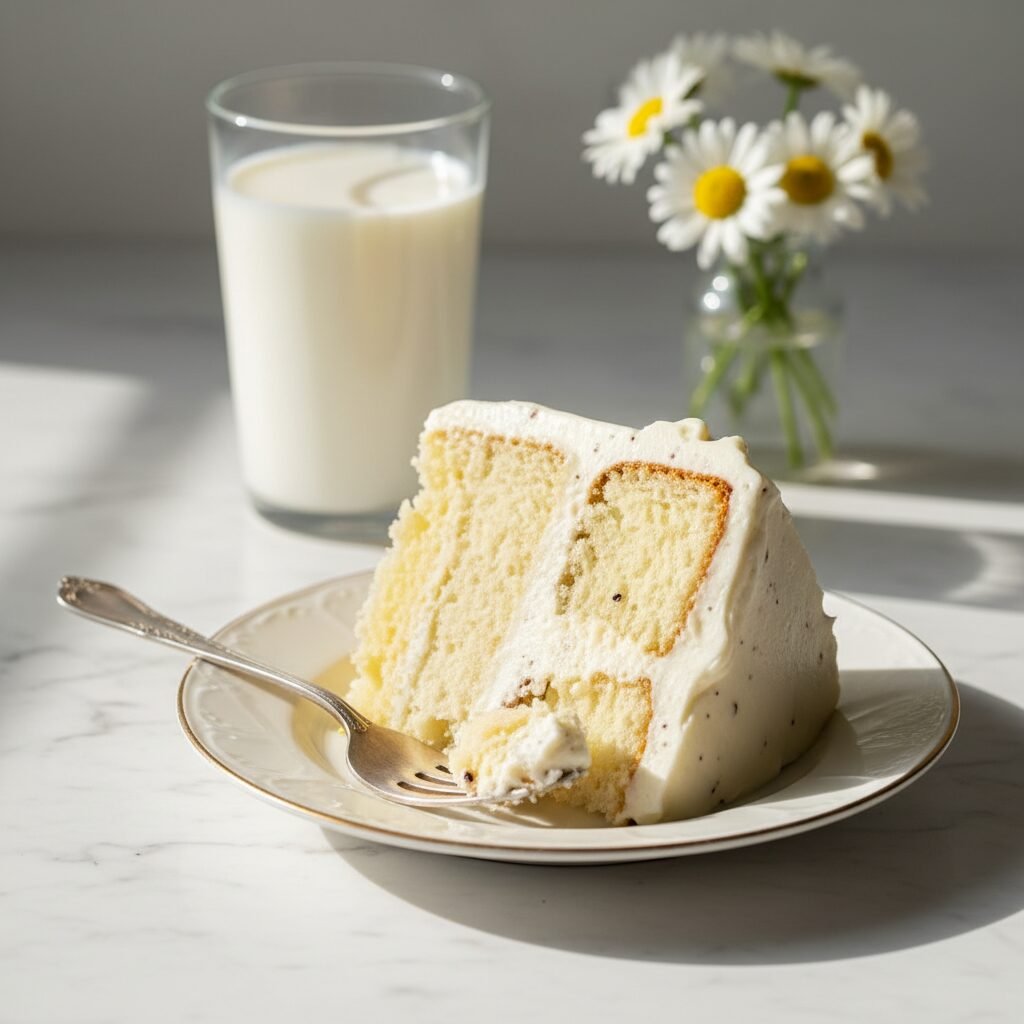
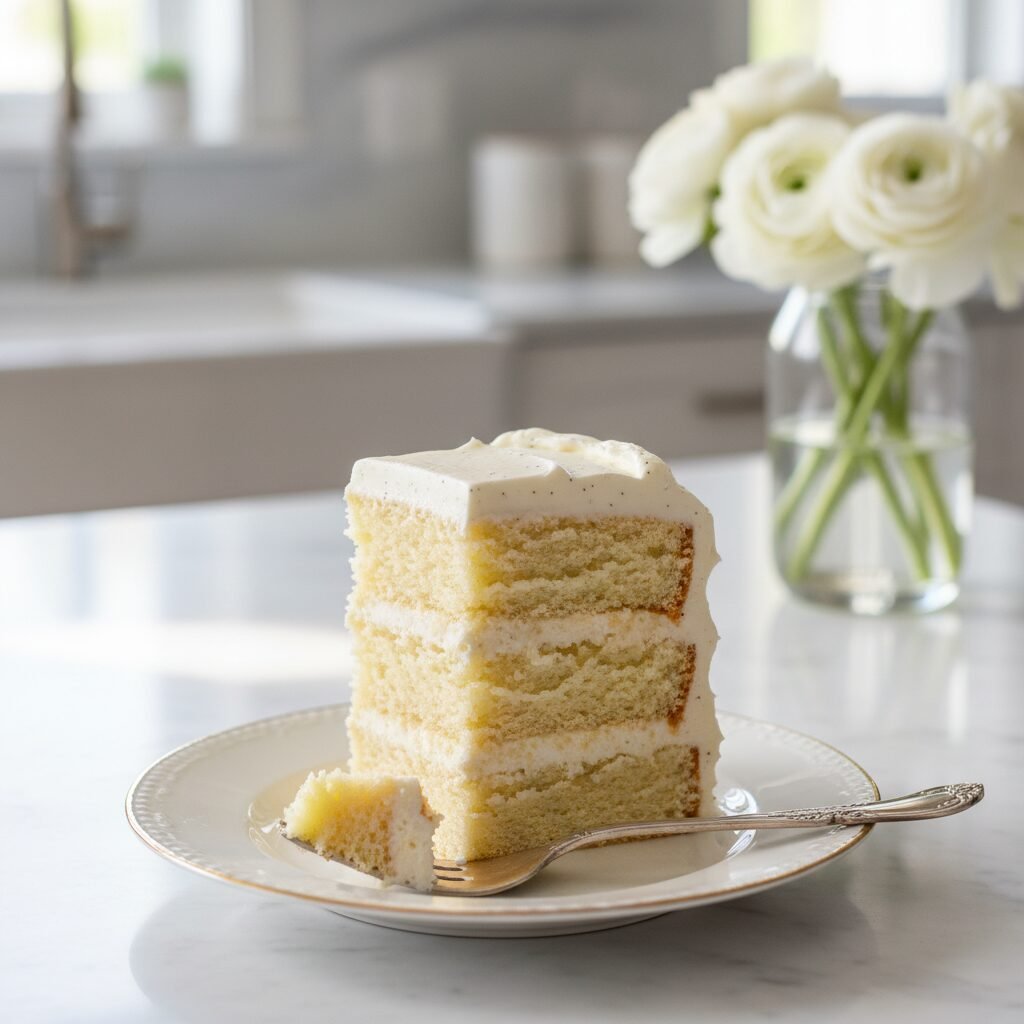
Discover the secret to the perfect classic yellow cake with this incredibly moist vanilla birthday cake recipe. Baked in a convenient 9×13 pan, this scratch-made delight features a tender, velvety crumb and rich buttercream frosting that beats any box mix hands down.
20 minutes
30 minutes
50 minutes
15 servings
Dessert
Baking
American
Vegetarian
There is something profoundly nostalgic and universally comforting about a classic vanilla birthday cake. It is the centerpiece of childhood memories, office parties, and family gatherings. However, finding a recipe that truly replicates the soft, plush texture of a bakery cake or a high-quality box mix, while delivering the superior flavor of homemade baking, can be a challenge. Many scratch cakes turn out dry, dense, or bland. This recipe for Moist Vanilla Birthday Cake for a 9×13 pan changes everything. It is engineered to be the definitive ‘yellow cake’—golden, buttery, and impossibly moist.
The beauty of this specific recipe lies in its simplicity and its vessel: the humble 9×13 inch baking pan. Unlike layer cakes, which require leveling, stacking, and crumb-coating, a sheet cake is approachable and forgiving. It travels easily to potlucks and picnics, and it offers the perfect cake-to-frosting ratio in every single slice. We use a specific combination of fats—butter for that unmistakable rich flavor and oil to ensure the crumb stays soft for days—along with buttermilk to tenderize the gluten. Topped with a fluffy, whipped vanilla buttercream and a shower of rainbow sprinkles, this cake isn’t just a dessert; it’s a celebration on a plate. Whether you are a seasoned baker or a novice in the kitchen, this recipe promises a foolproof path to cake perfection that will have your guests asking for seconds before they’ve finished their first slice.
History & Origins
The concept of the birthday cake has roots that stretch back to ancient civilizations, though it looked quite different from the fluffy, frosted confections we know today. The Ancient Greeks offered round cakes to Artemis, the goddess of the moon, lit with candles to glow like moonlight. However, the modern birthday cake as a sweet, frosted treat began to take shape in Germany during the Middle Ages with ‘Kinderfest,’ a celebration for children. Originally, these cakes were more bread-like and coarse.
The evolution into the light, airy cakes of today was driven by the industrial revolution and advancements in baking technology. The invention of chemical leavening agents like baking soda and baking powder in the mid-19th century replaced yeast in cakes, allowing for the rise of the ‘butter cake’ or ‘pound cake’ variations that were lighter and quicker to bake.
The 9×13 pan, or the ‘quarter sheet pan,’ became a staple of American kitchens in the mid-20th century. As suburban life expanded in the 1950s, so did the culture of entertaining, potlucks, and community gatherings. The 9×13 pan was the perfect vessel for feeding a crowd efficiently. It allowed home cooks to bake, frost, and transport a cake in a single dish. This era solidified the vanilla sheet cake as an icon of American comfort food—a symbol of hospitality and celebration that remains just as relevant and beloved today.
Why This Recipe Works
This recipe succeeds where others fail because it meticulously balances moisture, tenderness, and structure. Many all-butter cakes taste great but dry out quickly once they cool. Conversely, oil-based cakes are moist but lack that rich, creamy dairy flavor. This recipe utilizes a ‘hybrid fat’ method: we use unsalted butter for flavor and structure, and neutral vegetable oil to coat the flour proteins and keep the crumb moist for days.
Furthermore, the inclusion of buttermilk is non-negotiable. The acidity in buttermilk reacts with the baking soda to create carbon dioxide, giving the cake a superior lift and a lighter texture. It also breaks down the gluten strands in the flour, resulting in a ‘melt-in-your-mouth’ tenderness rather than a chewy bread-like consistency. We also use a technique where we add the eggs one at a time and beat well; this creates an emulsion that traps air, contributing to the cake’s fluffiness. Finally, baking in a metal 9×13 pan conducts heat efficiently and evenly, ensuring the center cooks through before the edges dry out, a common pitfall in glass bakeware.
Why You’ll Love This Recipe
- ✓Incredibly moist texture that stays soft for days.
- ✓Rich, authentic vanilla flavor using real butter and extract.
- ✓No complicated layering or leveling required.
- ✓Feeds a crowd easily (12-15 generous servings).
- ✓Perfect balance of density and fluffiness.
- ✓Versatile base for any type of frosting.
Equipment You’ll Need
- ✓9×13 inch metal baking pan
- ✓Stand mixer or electric hand mixer
- ✓Large mixing bowl
- ✓Medium mixing bowl
- ✓Whisk
- ✓Rubber spatula
- ✓Measuring cups and spoons
- ✓Wire cooling rack
Ingredients
- ✓2 1/2 cups Cake Flour (spooned and leveled)
- ✓2 tsp Baking Powder
- ✓1/2 tsp Baking Soda
- ✓1/2 tsp Fine Sea Salt
- ✓3/4 cup Unsalted Butter, softened to room temperature
- ✓1/4 cup Vegetable Oil (or Canola Oil)
- ✓1 1/2 cups Granulated White Sugar
- ✓4 Large Eggs, room temperature
- ✓1 tbsp Pure Vanilla Extract
- ✓1 cup Buttermilk, room temperature
- ✓1 cup Unsalted Butter (for frosting), softened
- ✓4-5 cups Powdered Sugar (for frosting)
- ✓1/4 cup Heavy Cream (for frosting)
- ✓2 tsp Vanilla Extract (for frosting)
- ✓Pinch of salt (for frosting)
- ✓Rainbow Sprinkles (optional)
Instructions
- Preheat your oven to 350°F (175°C). Grease a 9×13 inch baking pan generously with butter or non-stick spray and lightly dust with flour, or line with parchment paper for easy removal.
- In a medium bowl, whisk together the cake flour, baking powder, baking soda, and salt until well combined. Set aside.
- In the bowl of a stand mixer fitted with the paddle attachment (or a large bowl using a hand mixer), beat the softened butter, vegetable oil, and granulated sugar on medium-high speed for about 3-4 minutes. The mixture should look pale, fluffy, and aerated.
- Add the eggs one at a time, beating well after each addition. Scrape down the sides and bottom of the bowl with a rubber spatula to ensure everything is incorporated. Stir in the vanilla extract.
- Reduce the mixer speed to low. Add the dry ingredients in three parts, alternating with the buttermilk in two parts, starting and ending with the dry ingredients. Mix only until just combined and no streaks of flour remain. Do not overmix.
- Pour the batter into the prepared 9×13 pan and use an offset spatula to smooth the top into an even layer.
- Bake for 28-32 minutes, or until a toothpick inserted into the center comes out clean or with just a few moist crumbs attached. The cake should spring back lightly when touched.
- Remove the cake from the oven and place the pan on a wire rack. Allow the cake to cool completely in the pan before frosting. This usually takes about 1-2 hours.
- While the cake cools, make the frosting. Beat the softened butter on medium-high speed for 5 minutes until it is incredibly pale and creamy.
- Gradually add the powdered sugar, one cup at a time, mixing on low speed. Once incorporated, increase to high speed for a minute.
- Add the heavy cream, vanilla extract, and a pinch of salt. Whip on medium-high speed for another 3-4 minutes until the frosting is light, airy, and fluffy.
- Spread the frosting generously over the completely cooled cake. Top with rainbow sprinkles if desired. Slice into squares and serve.
Expert Cooking Tips
- ✓Room temperature ingredients are crucial. Cold eggs or buttermilk can curdle the batter and prevent proper aeration.
- ✓Use cake flour instead of all-purpose flour for a significantly lighter, more tender crumb.
- ✓Do not overmix the batter once the flour is added; this develops gluten and leads to a tough cake.
- ✓If you don’t have buttermilk, make a substitute by adding 1 tablespoon of lemon juice or vinegar to a cup of whole milk and letting it sit for 5 minutes.
- ✓Check your baking powder freshness. If it’s older than 6 months, test it in hot water to see if it fizzes.
- ✓Weigh your flour if possible (approx 300g for 2.5 cups) or use the spoon-and-level method to avoid packing it down.
- ✓Beat the frosting longer than you think necessary to get that bakery-style whipped texture.
Substitutions and Variations
Baking is a science, so substitutions should be made with care. If you cannot find cake flour, you can make a DIY version by removing 2 tablespoons of all-purpose flour from every cup and replacing it with 2 tablespoons of cornstarch, then sifting 3 times. For the fat, you can use all butter if you prefer, but the cake may dry out faster; conversely, using all oil will make it moist but less flavorful. Greek yogurt or sour cream can be substituted for buttermilk in a 1:1 ratio, though the batter will be thicker. For a dairy-free version, use high-quality plant-based butter and a soy milk/vinegar mixture for the buttermilk, though the texture may vary slightly.
Common Mistakes to Avoid
The most common mistake is overbaking the cake. Even a few extra minutes can suck the moisture right out of the crumb. Start checking at the 28-minute mark. Another error is frosting the cake while it is still warm. This will cause the butter in the frosting to melt, resulting in a greasy, sliding mess. Ensure the cake is cool to the touch. Finally, scooping flour directly with the measuring cup often packs too much flour into the recipe, leading to a dry, dense cake. Always spoon the flour into the cup and level it off.
Serving Suggestions
This cake is a celebration in itself, but it pairs beautifully with a scoop of vanilla bean ice cream or a dollop of whipped cream. For a summer twist, serve it with fresh berries on the side to cut through the sweetness of the buttercream. If serving for a birthday, classic rainbow sprinkles are a must, but you can also dress it up with edible flowers, chocolate shavings, or a drizzle of caramel sauce for a more sophisticated look.
Storage and Reheating Tips
Because this cake contains butter, it is best stored at room temperature in an airtight container or covered tightly with plastic wrap for up to 3 days. This keeps the crumb soft. If you live in a very hot or humid climate, you may need to refrigerate it to keep the frosting from melting; however, let it come to room temperature before eating for the best texture. The cake freezes beautifully. You can freeze the unfrosted cake wrapped in plastic wrap and foil for up to 3 months. You can also freeze individual frosted slices in airtight containers.
Nutrition Facts (Estimated)
| Serving Size | 1 slice (1/15 of cake) |
| Calories | 420 |
| Fat | 22g |
| Saturated Fat | 12g |
| Unsaturated Fat | 9g |
| Trans Fat | 0.5g |
| Cholesterol | 65mg |
| Sodium | 210mg |
| Carbohydrates | 54g |
| Fiber | 0.5g |
| Sugar | 38g |
| Protein | 4g |
Frequently Asked Questions
Can I make this recipe as cupcakes?
Yes! This batter works great for cupcakes. It will yield approximately 24 cupcakes. Bake them at 350°F for 18-22 minutes.
Why did my cake sink in the middle?
Sinking usually happens if the oven door was opened too early, releasing heat, or if the cake was underbaked. It can also be caused by too much leavening (baking powder/soda).
Can I use salted butter?
Yes, you can use salted butter, but you should reduce the added salt in the recipe to 1/4 teaspoon to avoid an overly salty taste.
How do I know when the cake is done?
Insert a toothpick into the center. It should come out clean or with a few moist crumbs. The edges should also be slightly pulling away from the pan.
Can I use a glass pan instead of metal?
You can, but glass conducts heat differently. You may need to lower the oven temperature by 25°F and bake slightly longer. Metal is preferred for even baking.
Is this recipe gluten-free adaptable?
You can use a high-quality 1:1 Gluten-Free All-Purpose Baking Flour blend (like King Arthur or Bob’s Red Mill). The texture will be slightly different but still delicious.
Why are my ingredients required to be room temperature?
Room temperature ingredients emulsify (bond) together much better, trapping air bubbles that expand during baking to create a fluffy cake. Cold ingredients can result in a clumpy batter.
Can I make the cake ahead of time?
Absolutely. You can bake the cake the day before and cover it tightly once cooled. In fact, the flavors often meld and the moisture distributes evenly overnight.
Conclusion
In a world of complicated desserts and haute cuisine, the Moist Vanilla Birthday Cake for 9×13 Pan stands as a testament to the power of simplicity. It brings together the best elements of baking science to deliver a result that is comforting, delicious, and reliable. Whether you are celebrating a milestone birthday, a simple Friday night, or just the joy of baking, this sheet cake is sure to become a cherished recipe in your collection. So grab your mixer, preheat your oven, and get ready to bake the best vanilla cake of your life.