
Moist Vanilla Birthday Cake With Vanilla Buttercream Recipe
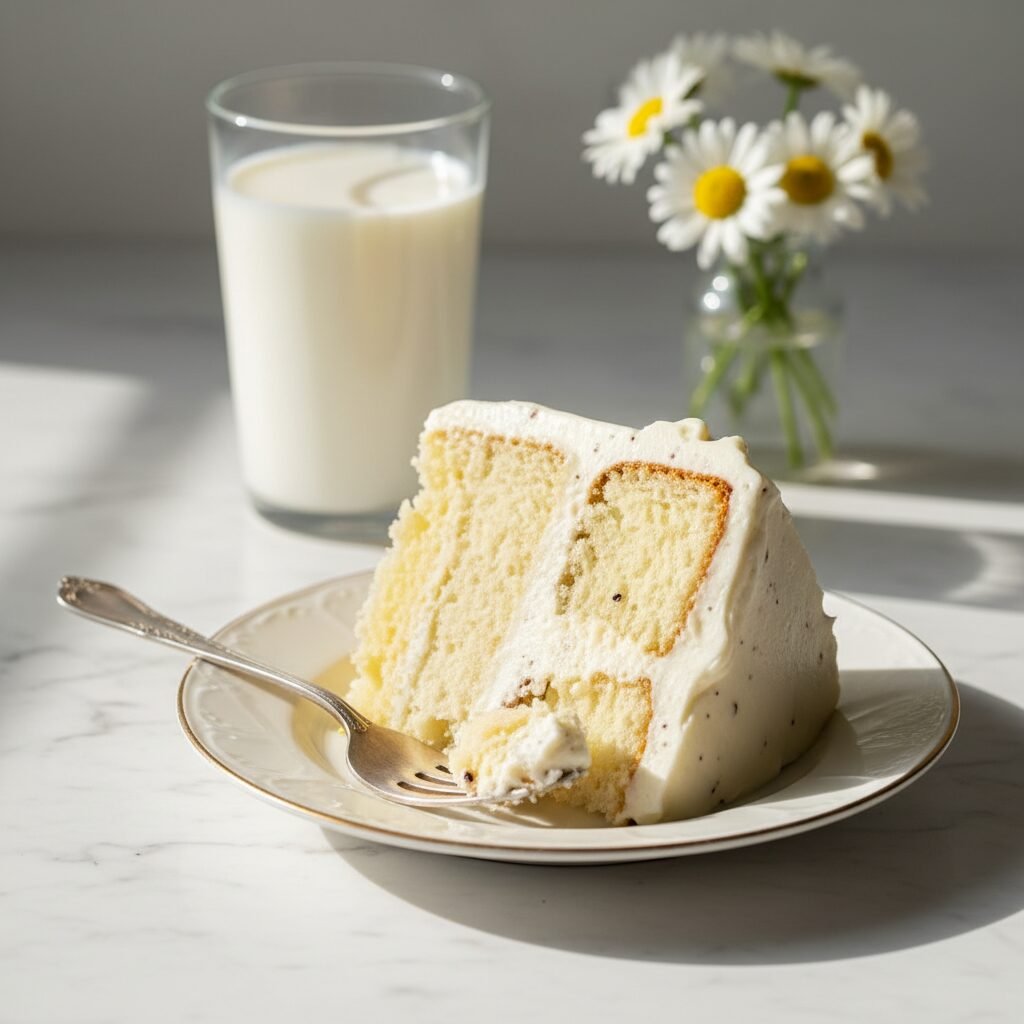
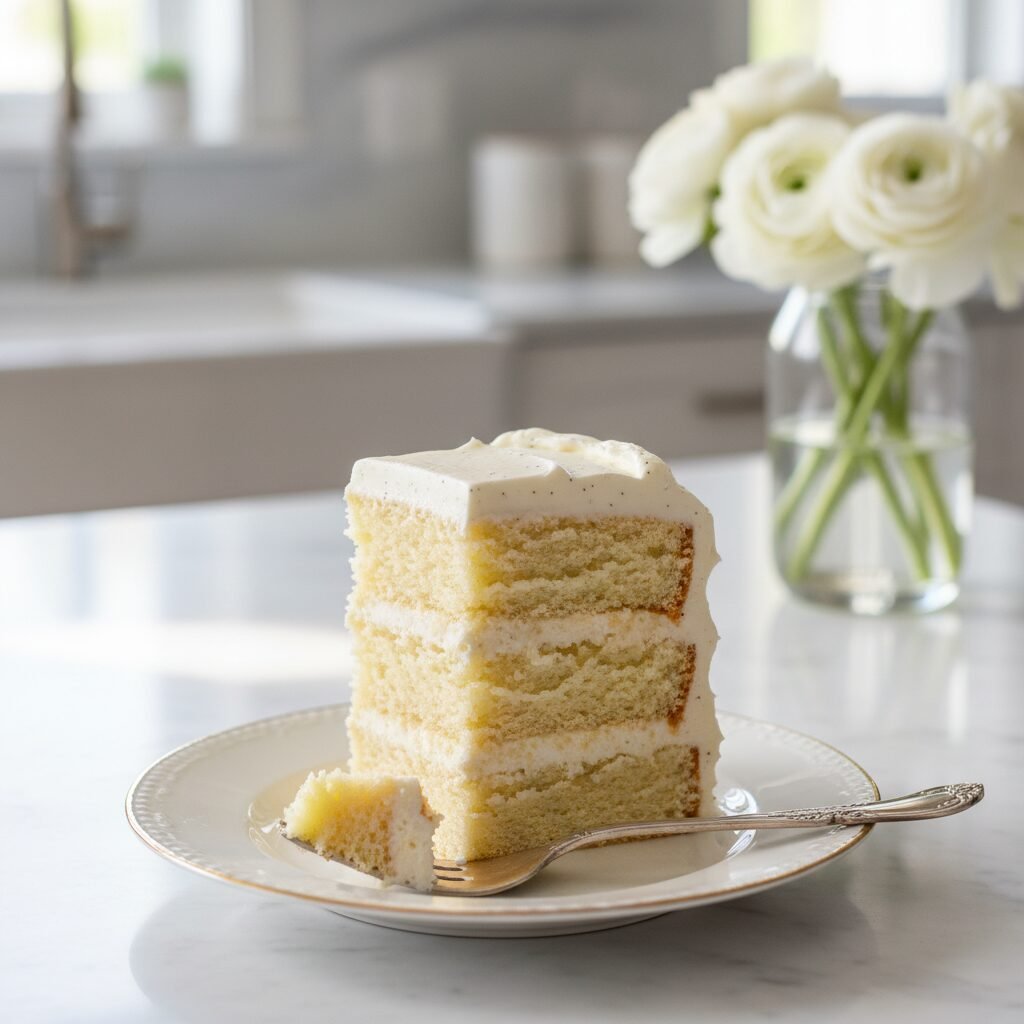
This is the only vanilla birthday cake recipe you will ever need—featuring an incredibly tender, moist crumb and a rich, creamy vanilla bean buttercream. It is the quintessential celebration cake that tastes exactly like a high-end bakery creation but is surprisingly simple to make at home.
45 minutes
30 minutes
1 hour 15 minutes
12-14 servings (makes three 8-inch rounds or two 9-inch rounds)
Dessert
Baking
American
Vegetarian
There is something profoundly nostalgic and universally comforting about a classic vanilla birthday cake. While chocolate often steals the spotlight, a truly excellent vanilla cake is the gold standard of baking. It strips away the distractions, relying entirely on the quality of the crumb and the purity of the vanilla flavor. For years, I searched for a recipe that didn’t result in a dry, dense, or cornbread-like texture. I wanted that elusive, melt-in-your-mouth softness found in professional bakeries, paired with a buttercream that was fluffy rather than gritty. After countless trials, pounds of butter, and endless taste tests, this recipe emerged as the undisputed winner.
The secret lies in the balance of fats and the specific method of mixing. Unlike many recipes that rely solely on butter, this cake uses a combination of butter and oil. The butter provides that unmistakable flavor, while the oil ensures the cake stays moist for days. Furthermore, the addition of sour cream or buttermilk introduces acidity that tenderizes the gluten strands, resulting in a plush, velvety texture.
This cake is not just a vehicle for frosting; it is a standalone masterpiece. The vanilla flavor is robust, achieved by using high-quality vanilla bean paste or pure extract, which permeates every bite. When paired with my signature whipped vanilla buttercream—a frosting so light it feels like eating a cloud—it becomes the highlight of any celebration. Whether you are baking for a first birthday, a golden anniversary, or just a Tuesday night craving, this Moist Vanilla Birthday Cake is guaranteed to impress. It is sturdy enough to stack but soft enough to melt on your tongue, creating the perfect bite every single time.
History & Origins
The tradition of the birthday cake is a fascinating journey through history, evolving from ancient rituals to the sugary confections we know today. The concept of celebrating a birth with cake can be traced back to the Ancient Romans, although their version was more bread-like, sweetened with honey, and usually reserved for 50th birthdays of prominent citizens. However, the modern birthday cake as we recognize it has its roots in Germany during the Middle Ages.
The Germans celebrated ‘Kinderfest,’ a birthday celebration for children that is the closest ancestor to our modern parties. On the morning of a child’s birthday, they would receive a cake topped with lit candles. Interestingly, the candles were kept lit all day long, replaced as they burned down, until the evening meal when the cake was finally eaten. This ritual was believed to ward off evil spirits, with the smoke carrying wishes up to the gods—a tradition that persists in our ‘make a wish’ moment today.
For centuries, ingredients like refined sugar and spices were expensive, making sweet cakes a luxury for the wealthy. It wasn’t until the Industrial Revolution in the 19th century that baking tools, refined sugar, and flour became mass-produced and affordable. The invention of chemical leavening agents like baking soda and baking powder in the mid-1800s was a revolutionary moment for home bakers. It allowed cakes to rise reliably without the labor-intensive process of using yeast or beating eggs for hours. This era saw the birth of the modern layer cake, with the vanilla cake—often called ‘silver cake’ or ‘white cake’ in older cookbooks—becoming a staple of American celebrations. Today, the vanilla birthday cake stands as a global icon of joy, marking the passage of time with sweetness and light.
Why This Recipe Works
This recipe succeeds where many others fail because it scientifically addresses the two biggest complaints about homemade vanilla cake: dryness and lack of flavor. Most recipes rely exclusively on butter for fat. While butter tastes amazing, it contains water (about 15-20%) which evaporates during baking, sometimes leading to a drier crumb. By substituting a portion of the butter with vegetable oil, we ensure the cake remains moist. Oil is 100% fat and remains liquid at room temperature, coating the flour proteins and preventing them from forming tough gluten networks. This results in a sensation of moistness that lasts for days.
Additionally, we use the ‘reverse creaming’ method or a modified mixing technique in some variations, but here we stick to a robust creaming method enhanced by room temperature ingredients. The inclusion of sour cream is another game-changer. Sour cream adds fat for richness, but more importantly, its acidity reacts with the baking powder and baking soda (if used), helping the cake rise while tenderizing the crumb.
Flavor-wise, we double down on vanilla. Many recipes call for a teaspoon, but we use a tablespoon or more of high-quality extract or paste. The salt content is also slightly elevated to cut through the sweetness and pop the vanilla notes. Finally, the buttercream uses a high ratio of heavy cream and is whipped for an extended period—usually 5 to 7 minutes—to incorporate air, removing the dense, greasy texture often associated with American buttercream.
Why You’ll Love This Recipe
- ✓Stays moist for up to 4 days thanks to the oil-butter blend.
- ✓Robust vanilla flavor using vanilla bean paste.
- ✓Tender, velvety crumb that doesn’t crumble apart when sliced.
- ✓Perfectly sweet, fluffy buttercream that isn’t gritty.
- ✓Sturdy enough for layer cakes and fondant work.
- ✓Uses common pantry staples with professional results.
Equipment You’ll Need
- ✓Stand mixer with paddle attachment or handheld electric mixer
- ✓Three 8-inch round cake pans or two 9-inch pans
- ✓Parchment paper
- ✓Digital kitchen scale
- ✓Sifter or fine-mesh sieve
- ✓Offset spatula
- ✓Wire cooling racks
- ✓Measuring cups and spoons
Ingredients
- ✓3 cups (360g) cake flour, spooned and leveled
- ✓1 tablespoon baking powder
- ✓1/2 teaspoon baking soda
- ✓1 teaspoon fine sea salt
- ✓1 cup (226g) unsalted butter, softened to room temperature
- ✓2 cups (400g) granulated sugar
- ✓1/4 cup vegetable oil or canola oil
- ✓4 large eggs, room temperature
- ✓1 tablespoon pure vanilla extract or vanilla bean paste
- ✓1 cup (240ml) full-fat buttermilk, room temperature
- ✓1/2 cup (120g) full-fat sour cream, room temperature
- ✓FOR THE BUTTERCREAM:
- ✓1 1/2 cups (340g) unsalted butter, slightly softened
- ✓5-6 cups (600-720g) powdered sugar, sifted
- ✓1/4 cup (60ml) heavy whipping cream
- ✓2 teaspoons pure vanilla extract
- ✓Pinch of salt
Instructions
- Preheat oven to 350°F (175°C). Grease three 8-inch cake pans or two 9-inch pans with butter or baking spray. Line the bottoms with parchment paper rounds to guarantee easy removal.
- In a medium bowl, sift together the cake flour, baking powder, baking soda, and salt. Whisk to combine and set aside.
- In the bowl of a stand mixer fitted with the paddle attachment (or using a hand mixer), beat the softened butter and granulated sugar on medium-high speed for about 3-4 minutes. The mixture should look pale, fluffy, and aerated.
- Add the vegetable oil and beat for another minute to fully incorporate.
- Add the eggs one at a time, beating well after each addition. Scrape down the sides and bottom of the bowl with a rubber spatula to ensure everything is mixed evenly. Stir in the vanilla extract.
- In a small bowl or measuring cup, whisk together the buttermilk and sour cream.
- Reduce the mixer speed to low. Add the dry ingredients in three additions, alternating with the wet ingredients (buttermilk mixture) in two additions. Begin and end with the dry ingredients. Mix only until just combined—do not overmix.
- Divide the batter evenly between the prepared cake pans. Use a kitchen scale for precision if desired.
- Bake for 28-32 minutes, or until a toothpick inserted into the center comes out clean or with just a few moist crumbs attached. The tops should be lightly golden and spring back when gently pressed.
- Remove cakes from the oven and let them cool in the pans for 10-15 minutes. Then, run a knife around the edges and invert them onto a wire rack to cool completely before frosting.
- To make the buttercream: In a clean mixer bowl, beat the butter on medium-high speed for 5 minutes until it is incredibly pale and creamy.
- Reduce speed to low and gradually add the powdered sugar, one cup at a time. Once all sugar is added, increase speed to high and beat for 3 minutes.
- Add the heavy cream, vanilla, and salt. Beat for another 2-3 minutes until the frosting is light, airy, and fluffy.
- Assemble the cake: Level the tops of the cooled cake layers if necessary. Place one layer on a cake stand, spread a thick layer of buttercream on top, and repeat with remaining layers. Frost the outside of the cake with the remaining buttercream and decorate with sprinkles.
Expert Cooking Tips
- ✓Room temperature ingredients are non-negotiable. Cold eggs or milk will curdle the batter and result in a dense cake.
- ✓Weigh your flour using a digital scale (360g) for the most accurate results. If using cups, spoon the flour in and level it off; never scoop directly.
- ✓Do not overmix the batter once the flour is added. Overmixing develops gluten, which leads to a tough, chewy cake.
- ✓Use cake flour instead of all-purpose flour. Cake flour has less protein, ensuring a softer, more tender crumb.
- ✓Tap the pans on the counter before baking to release any large air bubbles.
- ✓If the buttercream is too sweet, add a tiny pinch of salt or a teaspoon of lemon juice to cut the sugar.
Substitutions and Variations
Baking is chemistry, so substitutions should be done with care. If you don’t have cake flour, you can make a DIY version by measuring 1 cup of all-purpose flour, removing 2 tablespoons, and replacing them with 2 tablespoons of cornstarch. Sift this mixture twice before using. For the buttermilk, you can make a ‘sour milk’ by adding 1 tablespoon of white vinegar or lemon juice to a cup of whole milk and letting it sit for 5 minutes. However, real buttermilk yields better results. You can substitute the sour cream with plain full-fat Greek yogurt in a 1:1 ratio. If you need to make this gluten-free, use a high-quality 1:1 gluten-free baking flour blend that contains xanthan gum; note that the texture may be slightly different. For the oil, any neutral oil like canola, vegetable, or grapeseed works perfectly. Do not use olive oil as the flavor is too strong.
Common Mistakes to Avoid
The most common mistake is using cold ingredients. When butter and eggs are cold, they don’t emulsify properly, leading to a dense cake. Another frequent error is opening the oven door too early. Doing so causes a sudden temperature drop that can make the cake collapse in the center; wait until at least 25 minutes have passed. Using old baking powder is a silent killer of cakes; ensure your leavening agents are fresh (less than 6 months old). Lastly, rushing the cooling process is a disaster waiting to happen. If you try to frost a cake that is even slightly warm, the butter in the frosting will melt, causing the layers to slide apart and the frosting to become greasy.
Serving Suggestions
This cake is best served at room temperature. If the cake has been refrigerated, take it out at least 1-2 hours before serving to allow the butter in the cake and frosting to soften, which maximizes flavor and texture. Serve slices with a side of fresh berries (strawberries or raspberries work beautifully) to add a tart contrast to the sweet vanilla. A scoop of vanilla bean ice cream or a dollop of lightly sweetened whipped cream is also a classic accompaniment. For a festive touch, coat the sides or top with rainbow sprinkles, edible glitter, or fresh edible flowers.
Storage and Reheating Tips
Store the frosted cake at room temperature in a cake keeper or under a large bowl for up to 3 days. The sugar and fat act as preservatives. If your kitchen is very hot or humid, or if you need to keep it longer, store it in the refrigerator for up to 5-6 days. However, always bring it to room temperature before eating. To freeze, you can freeze individual slices wrapped tightly in plastic wrap and foil for up to 3 months. Alternatively, you can freeze the unfrosted baked layers (wrapped well) for up to 2 months; thaw them in the fridge overnight before assembling.
Nutrition Facts (Estimated)
| Serving Size | 1 slice |
| Calories | 580 |
| Fat | 32g |
| Saturated Fat | 18g |
| Unsaturated Fat | 12g |
| Trans Fat | 0.5g |
| Cholesterol | 95mg |
| Sodium | 320mg |
| Carbohydrates | 72g |
| Fiber | 0.5g |
| Sugar | 45g |
| Protein | 5g |
Frequently Asked Questions
Can I make this cake ahead of time?
Yes! You can bake the cake layers up to 2 days in advance. Wrap them tightly in plastic wrap once completely cooled and store them at room temperature or in the fridge. You can also make the buttercream a week in advance and store it in the fridge; just let it come to room temperature and re-whip it before using.
Why did my cake sink in the middle?
This usually happens if the oven door was opened too early, if the oven wasn’t hot enough, or if there was too much leavening (baking powder/soda). Ensure your oven is calibrated and resist the urge to peek.
Can I turn this into cupcakes?
Absolutely. This recipe makes approximately 24-30 standard cupcakes. Bake them at 350°F for 18-22 minutes. Check for doneness early as they bake faster than whole cakes.
Can I use all-purpose flour instead of cake flour?
You can, but the texture will be slightly denser and more bread-like. Cake flour is highly recommended for that bakery-style tenderness. See the substitutions section for a DIY cake flour hack.
How do I get my buttercream white instead of yellow?
Butter has a natural yellow tint. To get white frosting, whip the butter for a long time (5+ minutes) until it pales significantly. You can also add a tiny, tiny drop of purple food coloring to counteract the yellow tones.
Can I reduce the sugar in the recipe?
Reducing sugar in baking affects not just sweetness but also moisture and structure. It is not recommended to reduce the sugar in the cake batter significantly. You can, however, reduce the sugar in the buttercream to taste.
Why is my cake dry?
Dry cake is usually caused by over-baking or over-measuring flour. Check the cake a few minutes before the timer goes off, and always spoon and level your flour or use a scale.
Can I use salted butter?
Yes, you can. If you use salted butter, omit the additional salt called for in the recipe. However, unsalted butter gives you more control over the final flavor.
Conclusion
In a world of endless dessert trends and complex flavor combinations, the simple perfection of a Moist Vanilla Birthday Cake stands the test of time. It is a recipe that speaks of love, celebration, and the simple joy of sharing something homemade. Whether you are a seasoned baker or a novice in the kitchen, this recipe is designed to guide you to success. The combination of the tender, buttery cake and the cloud-like vanilla frosting is pure magic. So, preheat your oven, gather your ingredients, and get ready to bake a memory. Once you try this homemade version, you will never go back to the box mix again. Happy baking!