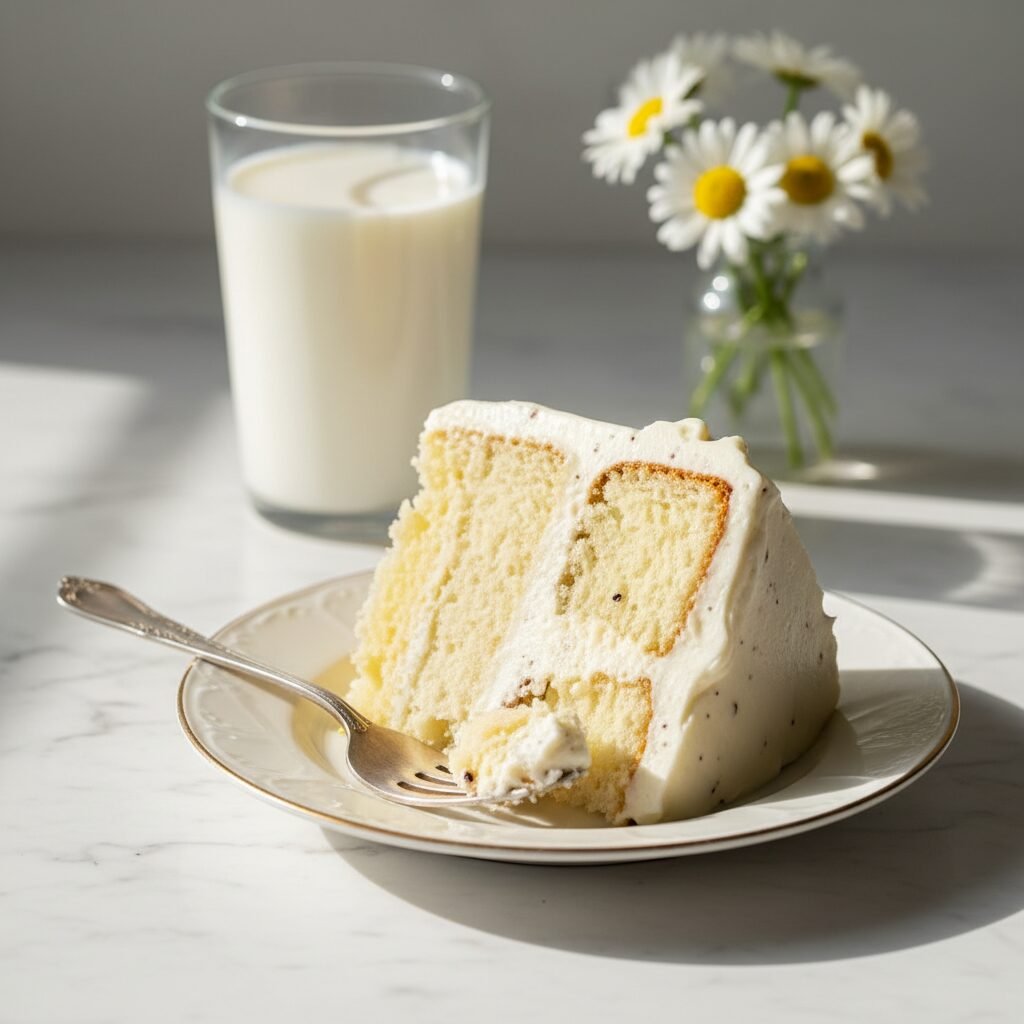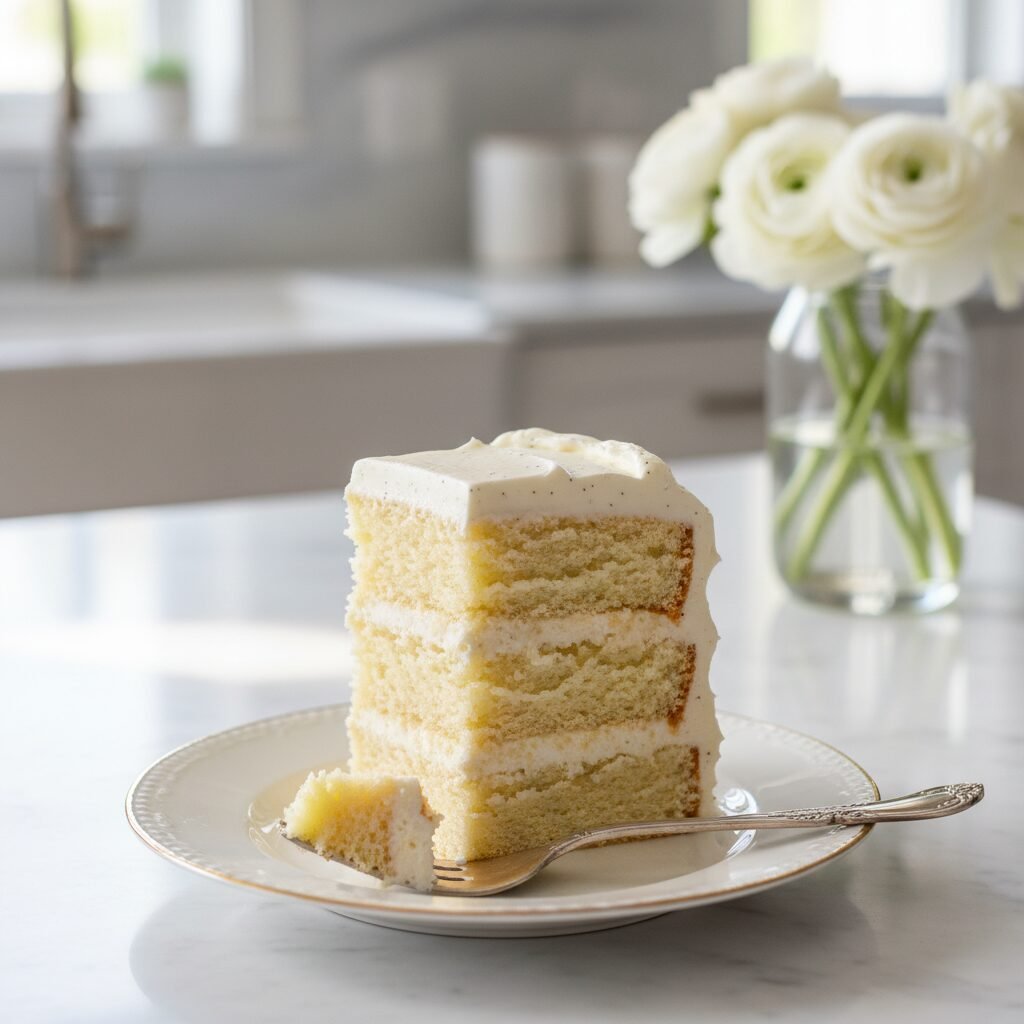
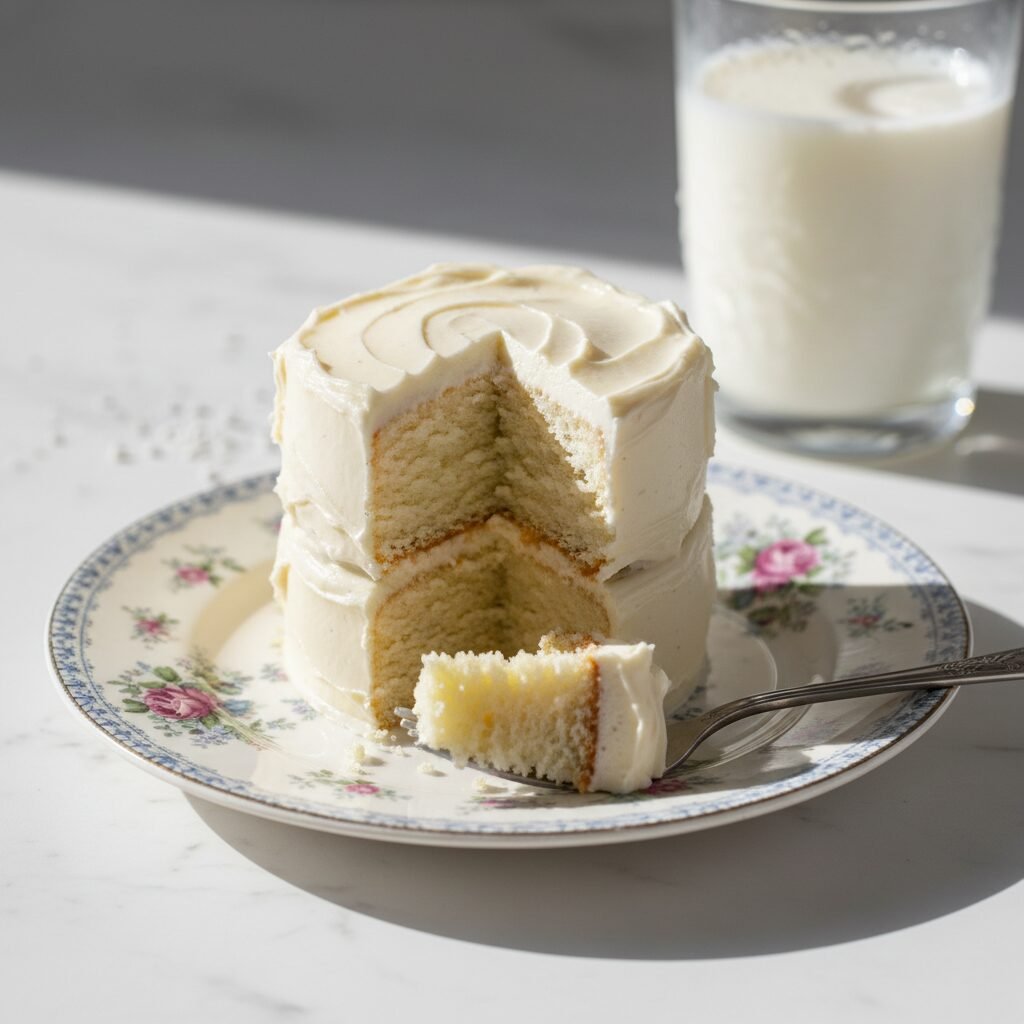
Moist Vanilla Layer Cake For Two People Recipe
Ideally sized for date night or a cozy craving, this moist vanilla layer cake for two delivers all the elegance of a bakery-style celebration cake without the endless leftovers. It is tender, buttery, and perfectly portioned for a romantic evening.
20 minutes
25 minutes
45 minutes
2 generous servings (one 4-inch double layer cake)
Dessert
Baking
American
Vegetarian
There is something inherently romantic about sharing a dessert, yet nothing kills the mood quite like the looming specter of a stale, half-eaten 9-inch cake sitting on the counter for a week. Enter the Moist Vanilla Layer Cake For Two—a revelation in small-batch baking that refuses to compromise on texture, flavor, or presentation. This is not simply a muffin batter poured into a different tin; it is a carefully calibrated formula designed to produce a tight, tender crumb that rivals the finest wedding cakes. We start with high-quality vanilla bean paste to ensure that classic, aromatic warmth permeates every bite, creating a base that is both nostalgic and sophisticated. The texture strikes that elusive balance between fluffy and substantial, sturdy enough to hold layers of buttercream yet delicate enough to melt on the tongue. For the Pinterest-savvy baker, this recipe is a dream: it photographs beautifully, requires minimal cleanup, and allows you to indulge in the creative process of decorating a layer cake without the commitment of feeding a crowd. Whether you are celebrating an anniversary, Valentine’s Day, or simply the joy of a Tuesday night, this miniature masterpiece turns a simple evening into an occasion. It is intimate, indulgent, and undeniably delicious.
History & Origins
The history of the vanilla cake is a journey that spans continents and centuries, evolving from dense, yeast-leavened breads to the airy, chemically-leavened confections we adore today. The story begins with the vanilla orchid, originally cultivated by the Totonac people of modern-day Mexico and later the Aztecs, who used it to flavor chocolate drinks. It wasn’t until the mid-19th century, with the invention of baking powder and the mass production of refined white flour, that the modern ‘cake’ began to take shape in American kitchens. Prior to this, cakes were often heavy, fruit-laden, and leavened with beaten eggs or yeast. The introduction of chemical leaveners allowed for the ‘butter cake’ to emerge—a lighter, more tender creation that became a staple of American hospitality. The concept of the ‘layer cake’ is distinctly American, gaining popularity in the late 1800s as cast-iron stoves with temperature control became more accessible. Historically, cakes were large, meant to feed extended families and farmhands. However, the 21st century has seen a fascinating shift toward ‘small batch’ baking. As urbanization increased and household sizes shrank, the demand for scaled-down recipes exploded. This ‘Cake For Two’ represents the modern culmination of this history: respecting the traditional techniques of the classic American butter cake while adapting to the lifestyle needs of the contemporary, smaller household.
Why This Recipe Works
Scaling down a cake recipe is not as simple as merely dividing all ingredients by four; baking is chemistry, and small volumes behave differently than large ones. This recipe works because it meticulously balances the ratio of fat to flour to liquid specifically for small surface areas. In larger cakes, the sheer volume of batter can withstand minor inconsistencies, but in a small batch, precision is key. We utilize a combination of butter and a touch of oil; the butter provides that quintessential flavor and structure, while the oil ensures the cake remains moist for days, coating the flour proteins to inhibit tough gluten formation. Furthermore, the inclusion of sour cream is a game-changer. The acidity in the sour cream reacts with the baking soda to create a tenderizing effect, breaking down tough strands and resulting in a velvety crumb. We also employ a ‘reverse creaming’ inspired technique where we ensure the dry ingredients are well-coated with fat before adding the bulk of the liquid, which prevents the cake from becoming rubbery—a common pitfall in small-batch baking where overmixing happens in seconds. The result is a cake that rises evenly, browns beautifully, and retains moisture perfectly.
Why You’ll Love This Recipe
- ✓Perfectly portioned for two to three people with zero waste.
- ✓Incredibly moist crumb thanks to the secret addition of sour cream.
- ✓High vanilla impact using vanilla bean paste for gourmet flavor.
- ✓Quick baking time compared to standard full-sized cakes.
- ✓Sturdy enough for stacking but tender enough to melt in your mouth.
Equipment You’ll Need
- ✓Two 4-inch round cake pans (or ramekins)
- ✓Electric hand mixer or stand mixer
- ✓Medium mixing bowl
- ✓Small mixing bowl
- ✓Rubber spatula
- ✓Wire cooling rack
- ✓Offset spatula for frosting
Ingredients
- ✓6 tablespoons all-purpose flour (spooned and leveled)
- ✓1 tablespoon cornstarch
- ✓1/4 teaspoon baking powder
- ✓1/8 teaspoon baking soda
- ✓1 pinch fine sea salt
- ✓3 tablespoons unsalted butter, softened to room temperature
- ✓1/4 cup granulated white sugar
- ✓1 large egg white, room temperature
- ✓1 teaspoon vanilla bean paste or pure vanilla extract
- ✓2 tablespoons sour cream or plain greek yogurt, room temperature
- ✓2 tablespoons whole milk, room temperature
Instructions
- Preheat your oven to 350°F (175°C). Grease two 4-inch round cake pans generously with butter and dust with flour, tapping out the excess. Line the bottoms with parchment paper rounds for extra security.
- In a small bowl, whisk together the all-purpose flour, cornstarch, baking powder, baking soda, and salt until well combined and aerated. Set aside.
- In a medium bowl using an electric mixer, beat the softened butter and granulated sugar together on medium-high speed for about 3-4 minutes. The mixture should look pale, fluffy, and creamy.
- Add the egg white and vanilla bean paste to the butter mixture. Beat on medium speed for another 1-2 minutes. The mixture may look slightly curdled at this stage; this is normal.
- Add the sour cream (or yogurt) and beat for 30 seconds until incorporated.
- Reduce the mixer speed to low. Add half of the flour mixture and mix just until the flour streaks disappear. Pour in the milk and mix again.
- Add the remaining flour mixture and mix gently by hand using a rubber spatula. Do not overmix; stop as soon as the batter is smooth.
- Divide the batter evenly between the two prepared cake pans. Smooth the tops with the back of a spoon.
- Bake in the center of the preheated oven for 22-25 minutes, or until a toothpick inserted into the center comes out clean or with just a few moist crumbs. The tops should be a light golden brown.
- Remove the cakes from the oven and let them cool in the pans for 10 minutes. Then, carefully run a knife around the edges and invert them onto a wire rack to cool completely before frosting.
Expert Cooking Tips
- ✓Room temperature ingredients are non-negotiable; cold dairy will seize the butter and ruin the emulsion.
- ✓Use a kitchen scale to measure flour if possible, as too much flour is the number one cause of dry cakes.
- ✓If you do not have 4-inch pans, you can bake this in a single 6-inch pan, though baking time will increase by 5-8 minutes.
- ✓Tap the pans on the counter before baking to release any large air bubbles.
- ✓Wait until the cakes are 100% cool before frosting, otherwise, the buttercream will slide right off.
Substitutions and Variations
Baking is a science, but there is some room for flexibility if you find yourself missing an ingredient. If you do not have cake flour or cornstarch, you can use all-purpose flour for the entire amount, though the crumb will be slightly less tender. The sour cream can be swapped for full-fat plain Greek yogurt or even buttermilk in a pinch, though the batter will be thinner with buttermilk. For a dairy-free version, use a high-quality plant-based butter block (not tub margarine) and a thick dairy-free yogurt like coconut or almond based, along with almond or soy milk. If you don’t have vanilla bean paste, high-quality pure vanilla extract is a perfect 1:1 substitute. Do not substitute the sugar for liquid sweeteners like maple syrup or honey, as it will throw off the moisture balance and structure of the cake.
Common Mistakes to Avoid
The most common mistake with small-batch baking is overmixing. Because there is so little batter, a few extra seconds with the electric mixer can develop too much gluten, leading to a rubbery, dense cake rather than a fluffy one. Always switch to a spatula for the final mix. Another error is using pans that are too large; baking this amount of batter in an 8-inch pan will result in a thin, dry pancake. Ensure you are using 4-inch pans or ramekins. Additionally, opening the oven door too early can cause these small cakes to collapse; rely on the oven light and only check when the minimum time has passed. Finally, using cold butter or eggs will prevent the batter from emulsifying properly, leading to a greasy or heavy final product.
Serving Suggestions
This cake is a blank canvas for elegance. For a classic look, frost with a small batch of vanilla buttercream or cream cheese frosting. To elevate it for a dinner party, fill the center layer with raspberry preserves or lemon curd and top with fresh edible flowers and a dusting of powdered sugar. It pairs beautifully with a glass of chilled champagne or a dry Riesling for an adult treat. For a cozy afternoon vibe, serve a slice alongside a hot latte or Earl Grey tea. If you are feeling decadent, a drizzle of warm salted caramel sauce over the slice just before serving adds a luxurious finish.
Storage and Reheating Tips
Since this is a small cake, it is best enjoyed fresh. However, if you do have leftovers, store the frosted cake in an airtight container at room temperature for up to 2 days. Refrigeration tends to dry out butter-based cakes, so only refrigerate if you use a perishable filling like custard or whipped cream. If you want to bake ahead, the unfrosted cake layers can be wrapped tightly in plastic wrap and frozen for up to month. Thaw the layers at room temperature for about an hour before frosting. Once cut, press a piece of plastic wrap directly against the exposed slice to keep the crumb moist.
Nutrition Facts (Estimated)
| Serving Size | 1/2 of cake |
| Calories | 450 |
| Fat | 24g |
| Saturated Fat | 14g |
| Unsaturated Fat | 9g |
| Trans Fat | 0.5g |
| Cholesterol | 85mg |
| Sodium | 210mg |
| Carbohydrates | 58g |
| Fiber | 1g |
| Sugar | 35g |
| Protein | 5g |
Frequently Asked Questions
Can I double this recipe to make a standard cake?
Technically yes, you can double or triple it, but for a standard 8 or 9-inch cake, it is often better to use a recipe specifically designed for that volume to ensure proper leavening ratios. This recipe is optimized specifically for small batches.
I don’t have 4-inch pans. What can I use?
You can use two large ramekins (ensure they are oven safe) or clean, empty tin cans lined with parchment. Alternatively, bake it as one thick layer in a 6-inch pan and increase the bake time.
Why did my cake sink in the middle?
Sinking usually happens if the oven door was opened too early, letting heat escape, or if the batter was over-beaten, incorporating too much air that the structure couldn’t support. Ensure your baking powder is fresh as well.
Can I make this into cupcakes?
Absolutely! This batter will make approximately 3-4 standard cupcakes. Bake at the same temperature for about 15-18 minutes.
How do I get flat cake tops?
You can use cake strips dampened with water around the outside of your pans to insulate them. This promotes even baking and flat tops. Otherwise, simply trim the domes with a serrated knife before stacking.
Can I use salted butter?
Yes, you can. If you use salted butter, simply omit the pinch of salt listed in the dry ingredients to avoid an overly salty cake.
Is vanilla bean paste necessary?
It is not strictly necessary, but it is highly recommended for the best flavor and the visual appeal of the black specks. Extract works fine but won’t have the same depth.
My batter looks curdled. Is it ruined?
Not at all! This often happens when liquid (egg/milk) is added to fat. It will come back together beautifully once you add the flour. Just keep going.
Conclusion
Baking small does not mean dreaming small. This Moist Vanilla Layer Cake For Two is proof that you can experience the full joy of a bakery-quality dessert without the excess. It is the perfect way to practice your cake decorating skills on a manageable canvas or to simply treat yourself and a loved one to something handmade and heartfelt. The aroma of vanilla filling your kitchen is a comfort that fits any size household. So, grab those 4-inch pans, soften your butter, and prepare to fall in love with the art of small-batch baking. Happy baking!