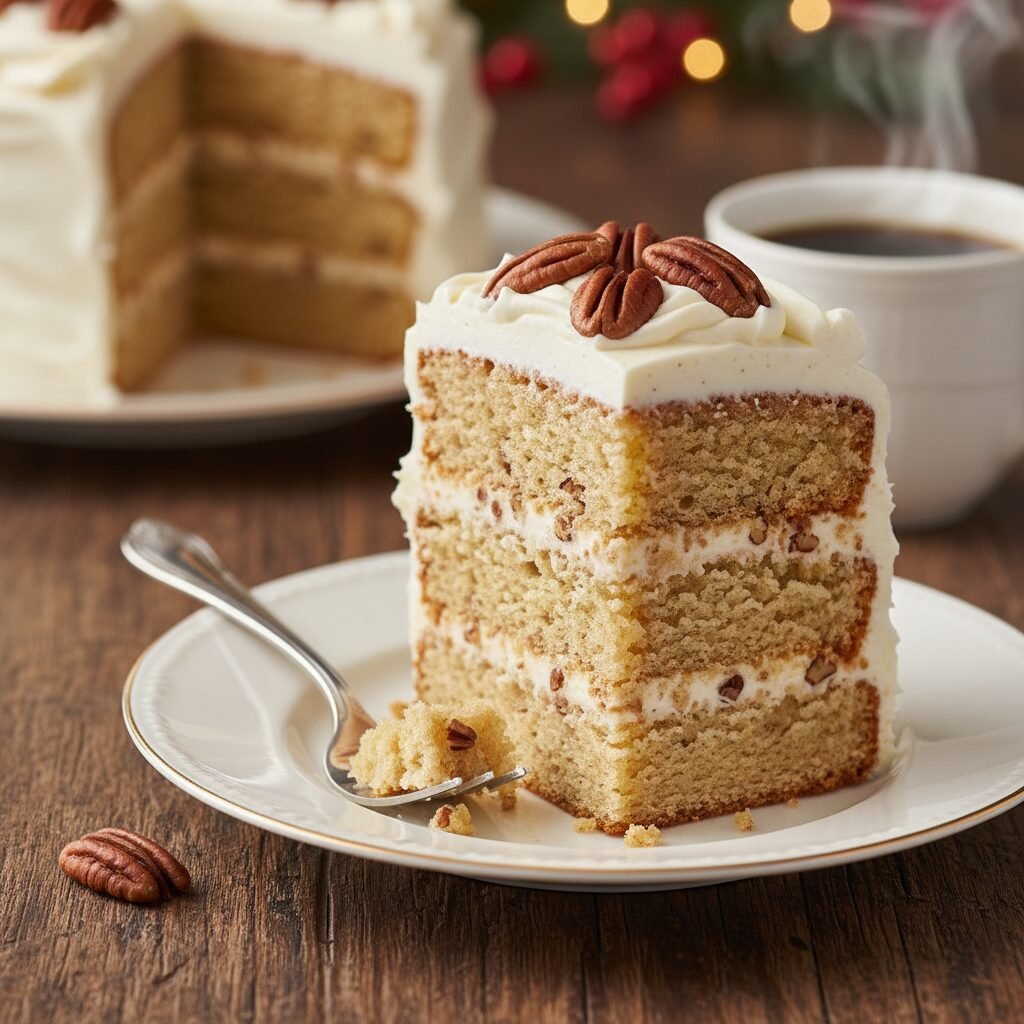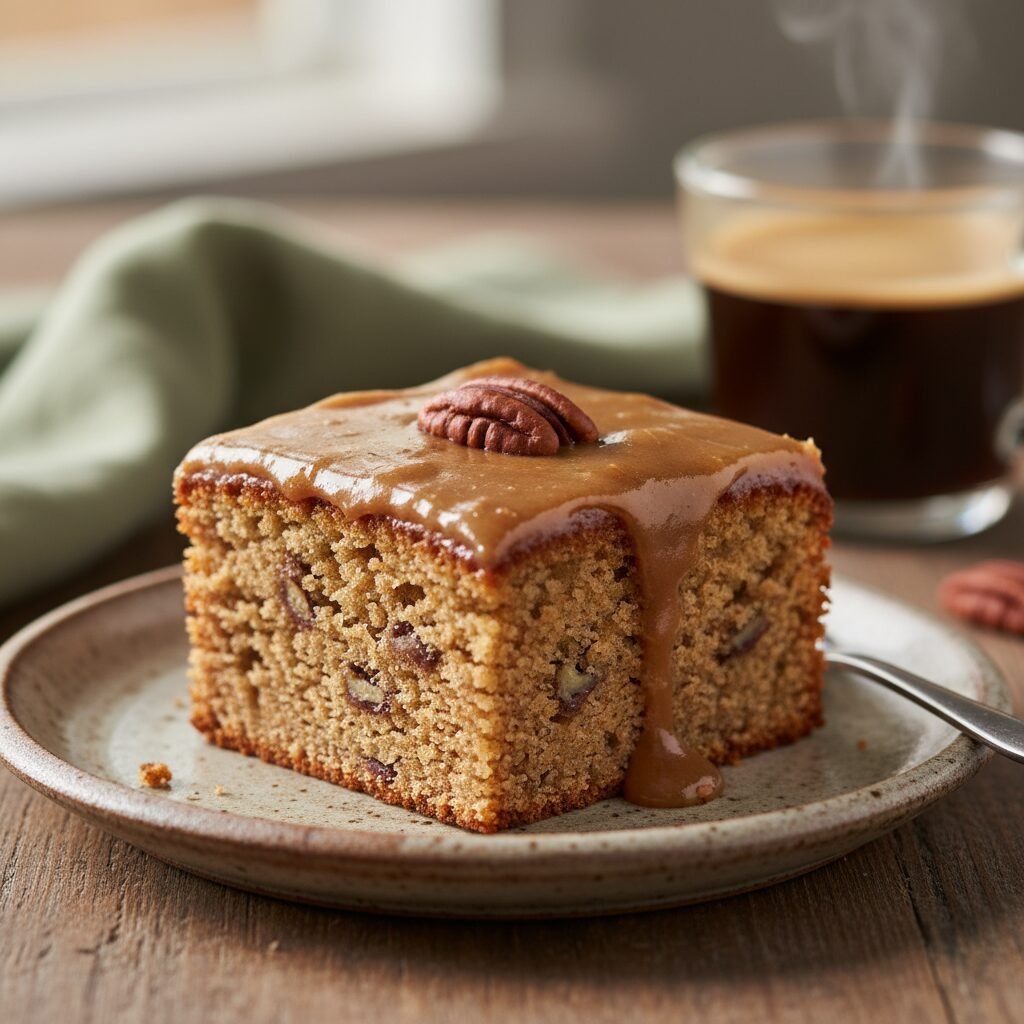
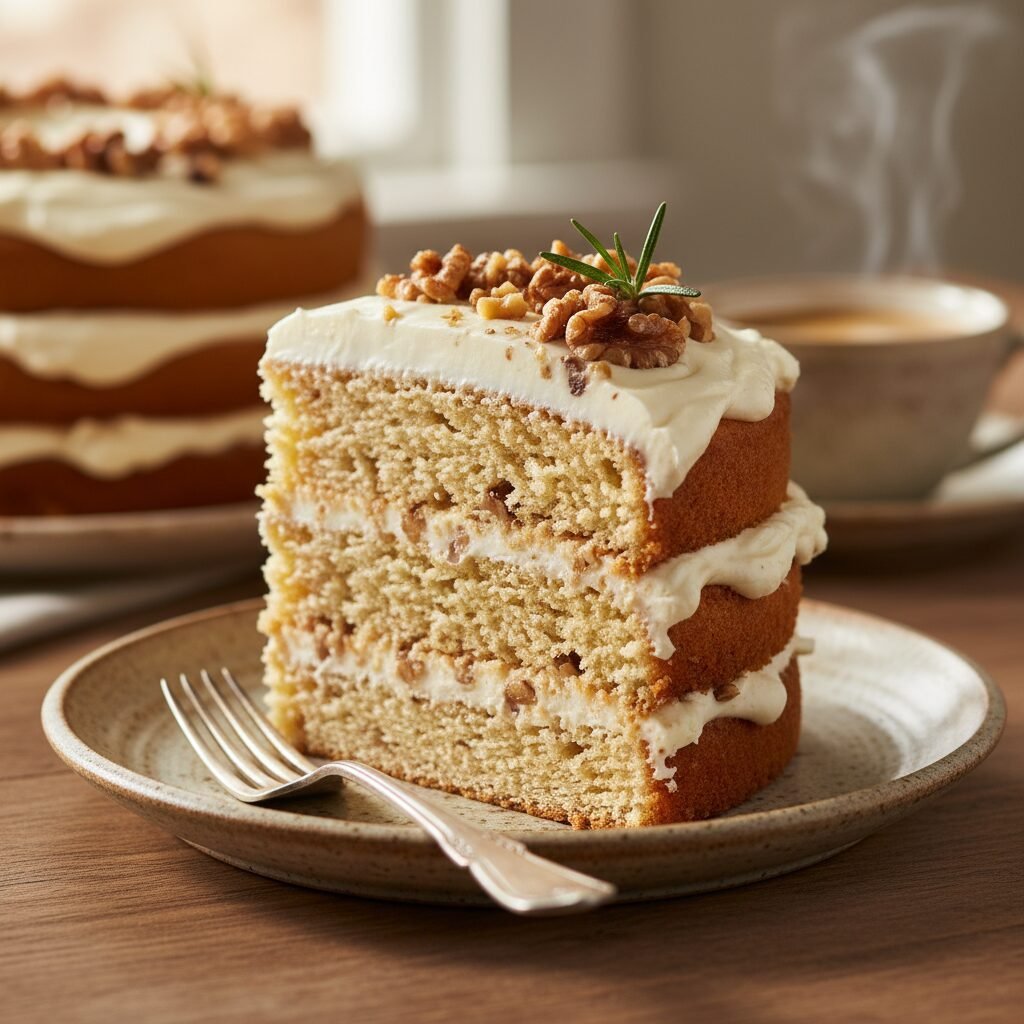
Moist Walnut Layer Cake Recipe
Experience the perfect blend of nutty crunch and velvety sweetness with this Ultimate Moist Walnut Layer Cake. Featuring tender, buttermilk-infused cake layers packed with toasted walnuts and smothered in a tangy cream cheese frosting, this recipe is a showstopper for holidays and cozy weekends alike.
30 minutes
35 minutes
2 hours 15 minutes
12-14 servings
Dessert
Baking
American
Vegetarian
There is something profoundly comforting about a classic nut cake, but finding one that balances a robust nutty flavor with a texture that isn’t dry or dense can be a challenge. This Moist Walnut Layer Cake is the answer to that culinary quest. Imagine a cake crumb that is exceptionally tender, almost melting in your mouth, yet structurally sound enough to hold suspension of crunchy, golden-toasted walnuts in every bite. This isn’t just a vessel for frosting; the cake itself is the star, boasting deep notes of browned butter, vanilla, and the earthy richness of walnuts. We pair this masterpiece with a luxurious, silky cream cheese frosting that provides the perfect tangy counterpoint to the sweet, nutty sponge. Whether you are baking for a festive Thanksgiving dessert table, a birthday celebration, or simply to elevate your Sunday afternoon coffee, this cake promises to deliver. It is a recipe that harkens back to traditional baking but employs modern techniques to ensure consistent moisture and flavor. Get ready to fill your kitchen with the intoxicating aroma of toasted nuts and warm vanilla sugar—a scent that screams ‘home’ in the most delicious way possible.
History & Origins
The history of the walnut cake is a fascinating journey that bridges European baking traditions with American ingenuity. Historically, nut cakes, or ‘tortes,’ have roots in Central and Eastern Europe, where flour was often scarce or expensive, and ground nuts were used as the primary structure for cakes. These tortes were dense, rich, and often naturally gluten-free. As European immigrants moved to North America, they brought these techniques with them. However, upon arriving in the United States, particularly the South and the Midwest, they encountered an abundance of black walnuts and English walnuts. The American evolution of the nut cake moved away from the dense torte and toward the lighter, fluffier ‘layer cake’ style that became popular with the advent of chemical leaveners like baking powder and baking soda in the mid-19th century. By the mid-20th century, the ‘Walnut Cake’ became a staple in community cookbooks and church potlucks, often associated with the harvest season when nuts were fresh. This specific recipe pays homage to that transition, combining the generous nut quantities of a European torte with the high-rise, tender crumb of a classic American butter cake. It represents a culinary lineage of making the most of local harvests to create desserts that are both rustic and refined.
Why This Recipe Works
This recipe succeeds where many other nut cakes fail—specifically in the realms of moisture retention and texture distribution. First, the secret weapon here is the combination of both butter and oil. Butter provides that undeniable, classic flavor that cannot be replicated, while neutral oil ensures the cake stays moist for days, as oil remains liquid at room temperature unlike butter. Second, we utilize buttermilk as the primary liquid. The acidity in the buttermilk not only tenderizes the gluten strands in the flour, resulting in a softer crumb, but it also reacts vigorously with the baking soda to create a superior rise, lifting the heavy nuts so they don’t sink to the bottom. Third, the technique of toasting the walnuts before adding them to the batter is non-negotiable. Raw walnuts can be waxy and slightly bitter; toasting them releases their essential oils, intensifies their flavor profile, and ensures they stay crunchy within the soft batter. Finally, chopping the nuts to a specific medium-fine consistency ensures that every single forkful contains the perfect ratio of soft cake to crunchy nut, creating a textural symphony that keeps you coming back for another slice.
Why You’ll Love This Recipe
- ✓Incredibly moist texture thanks to a butter-oil blend.
- ✓Rich, toasted nutty flavor in every single bite.
- ✓Tangy, velvety cream cheese frosting balances the sweetness.
- ✓Sturdy enough for stacking but tender on the palate.
- ✓Keeps fresh for days, making it perfect for make-ahead events.
- ✓A nostalgic, crowd-pleasing flavor profile suitable for all ages.
Equipment You’ll Need
- ✓Three 8-inch or two 9-inch round cake pans
- ✓Stand mixer or electric hand mixer
- ✓Large mixing bowls
- ✓Whisk
- ✓Rubber spatula
- ✓Parchment paper
- ✓Wire cooling rack
- ✓Offset spatula for frosting
- ✓Baking sheet (for toasting nuts)
Ingredients
- ✓2 1/2 cups All-purpose flour
- ✓1 tsp Baking powder
- ✓1/2 tsp Baking soda
- ✓1 tsp Salt
- ✓1 cup Unsalted butter, softened
- ✓1/2 cup Vegetable or Canola oil
- ✓2 cups Granulated sugar
- ✓4 large Eggs, room temperature
- ✓1 tbsp Vanilla extract
- ✓1 cup Buttermilk, room temperature
- ✓2 cups Walnuts, toasted and finely chopped
- ✓16 oz Cream cheese, full fat, softened (for frosting)
- ✓1 cup Unsalted butter, softened (for frosting)
- ✓5 cups Powdered sugar, sifted (for frosting)
- ✓2 tsp Vanilla extract (for frosting)
- ✓Pinch of salt (for frosting)
Instructions
- Preheat your oven to 350°F (175°C). Spread the walnut halves on a baking sheet and toast in the oven for 7-9 minutes until fragrant. Watch closely to prevent burning. Let them cool completely, then chop them into medium-fine pieces.
- Grease three 8-inch round cake pans (or two 9-inch pans) with butter and dust with flour, or spray with baking spray. Line the bottoms with parchment paper rounds for easy release.
- In a medium bowl, whisk together the flour, baking powder, baking soda, and salt. Set aside.
- In the bowl of a stand mixer fitted with the paddle attachment, beat the softened butter, oil, and granulated sugar on medium-high speed for about 5 minutes until the mixture is pale and fluffy. This aeration is crucial for a light cake.
- Add the eggs one at a time, beating well after each addition and scraping down the sides of the bowl. Stir in the vanilla extract.
- Reduce the mixer speed to low. Add the flour mixture in three parts, alternating with the buttermilk in two parts, starting and ending with the flour. Mix only until just combined to avoid tough gluten development.
- Gently fold in 1.5 cups of the toasted chopped walnuts using a rubber spatula. Reserve the remaining 0.5 cup for decoration.
- Divide the batter evenly among the prepared cake pans. Smooth the tops with a spatula.
- Bake for 30-35 minutes, or until a toothpick inserted into the center comes out clean or with just a few moist crumbs. Do not overbake.
- Remove from the oven and let the cakes cool in the pans for 10 minutes. Then, turn them out onto a wire rack to cool completely before frosting.
- To make the frosting: Beat the softened cream cheese and butter together on medium-high speed until completely smooth and creamy (about 3 minutes).
- Gradually add the powdered sugar, one cup at a time, mixing on low speed. Once incorporated, increase to high speed and beat for 2 minutes until fluffy. Add vanilla and a pinch of salt.
- Assemble the cake: Place one cake layer on a serving plate. Spread a generous layer of frosting over the top. Repeat with the remaining layers. Frost the outside and top of the cake.
- Press the remaining chopped toasted walnuts onto the sides of the cake or sprinkle them on top for decoration. Chill for 30 minutes to set the frosting before slicing.
Expert Cooking Tips
- ✓Room Temperature Ingredients: Ensure your butter, eggs, and buttermilk are at room temperature. This creates an emulsion that traps air, resulting in a fluffier cake.
- ✓Don’t Skip Toasting: Toasting the walnuts transforms their flavor from bland to rich and crunchy. It is the most important flavor step.
- ✓Weigh Your Flour: If possible, use a kitchen scale. If using cups, spoon the flour into the cup and level it off. Scooping directly packs the flour and leads to a dry cake.
- ✓Do Not Overmix: Once the flour is added, mix gently. Overmixing develops gluten which makes the cake tough instead of tender.
- ✓Cool Completely: Never try to frost a warm cake. The butter in the frosting will melt, and your layers will slide apart.
- ✓Crumb Coat: Apply a thin layer of frosting first and chill the cake for 20 minutes to lock in crumbs before adding the final thick layer of frosting.
Substitutions and Variations
This recipe is versatile enough to handle several substitutions without sacrificing quality. If you are out of walnuts, pecans are an excellent 1:1 substitute, offering a slightly sweeter, buttery flavor profile. For a nut-free version, you can omit the nuts entirely, though the texture will differ. If you don’t have buttermilk, you can make a quick substitute by adding 1 tablespoon of white vinegar or lemon juice to a cup of whole milk and letting it sit for 5 minutes until curdled; alternatively, plain Greek yogurt thinned with a little milk works wonders. For the flour, cake flour can be used for an even lighter crumb, but increase the volume by 2 tablespoons per cup. In the frosting, you can swap the cream cheese for mascarpone for a milder, creamier taste, or stick to a classic vanilla buttercream if you prefer a sweeter, sturdier frosting, especially for outdoor summer events.
Common Mistakes to Avoid
The most common mistake with this cake is overbaking. Because of the nuts and the oil, the cake might look slightly moist even when done; trust the toothpick test and remove it as soon as crumbs are moist but not wet. Leaving it in ‘just 5 more minutes’ can dry it out significantly. Another error is using raw walnuts. Raw nuts absorb moisture from the batter and can become soggy, whereas toasted nuts maintain their crunch. Additionally, failing to scrape down the mixing bowl during the creaming process can lead to streaks of unmixed butter or sugar, causing uneven baking. Lastly, rushing the cooling process is a recipe for disaster; if the cake is even slightly warm, the cream cheese frosting will slide right off.
Serving Suggestions
This Moist Walnut Layer Cake is rich and decadent, so it pairs beautifully with beverages that can cut through the sweetness. A hot cup of black coffee or an espresso is the classic companion, as the bitterness balances the sugar. For tea drinkers, an Earl Grey with its bergamot notes or a robust English Breakfast tea is ideal. If serving this for a dinner party, consider plating slices with a dollop of unsweetened whipped cream and a drizzle of salted caramel sauce to elevate the presentation. In the autumn, a side of warm poached pears or a scoop of cinnamon ice cream complements the nutty flavors perfectly.
Storage and Reheating Tips
Because of the cream cheese frosting, this cake must be stored in the refrigerator. It can be left out at room temperature for up to 2 hours for serving, but should be chilled otherwise. Store the cake in an airtight cake carrier or cover the cut sections with plastic wrap to prevent them from drying out. It will stay fresh in the fridge for up to 5 days. For longer storage, this cake freezes exceptionally well. You can freeze individual slices wrapped tightly in plastic wrap and foil for up to 3 months. Thaw slices in the refrigerator overnight or on the counter for an hour before eating. You can also freeze the unfrosted cake layers if you want to bake ahead; just wrap them well and frost on the day of serving.
Nutrition Facts (Estimated)
| Serving Size | 1 slice |
| Calories | 680 |
| Fat | 42g |
| Saturated Fat | 16g |
| Unsaturated Fat | 24g |
| Trans Fat | 0g |
| Cholesterol | 85mg |
| Sodium | 320mg |
| Carbohydrates | 68g |
| Fiber | 3g |
| Sugar | 45g |
| Protein | 8g |
Frequently Asked Questions
Can I make this cake as cupcakes?
Yes, absolutely. This batter works perfectly for cupcakes. Line muffin tins with liners and fill them 2/3 full. Reduce the baking time to 18-22 minutes. This recipe should yield approximately 24-30 cupcakes.
Why did my walnuts sink to the bottom?
Nuts sinking usually happens if the batter is too thin or the nuts are too heavy/large. To prevent this, chop your nuts into medium-fine pieces and toss them in a tablespoon of flour before folding them into the batter. The flour adds friction that helps suspend them.
Can I reduce the sugar in the recipe?
Sugar provides moisture and structure, not just sweetness. You can reduce the sugar in the cake batter by about 1/4 cup without disastrous results, but reducing it further may lead to a dry, dense cake. You can, however, reduce the sugar in the frosting to taste.
Can I use gluten-free flour?
Yes, a high-quality 1:1 gluten-free all-purpose flour blend (one that contains xanthan gum) works well in this recipe. The texture may be slightly different, but the moisture from the oil and buttermilk helps mask the difference.
My frosting is too runny, what do I do?
Cream cheese frosting can become runny if the butter or cheese was too warm or if it was overmixed. Try chilling the bowl in the fridge for 20 minutes and then re-whipping. If it’s still too soft, add more powdered sugar, 1/4 cup at a time.
Do I have to use oil? Can I use all butter?
You can use all butter, but the cake will not be as moist and will dry out faster. The combination of oil and butter gives you the best of both worlds: the flavor of butter and the lasting moisture of oil.
Can I use brown sugar instead of white sugar?
Yes, swapping half of the white sugar for brown sugar adds a delicious caramel depth and extra moisture due to the molasses content. It pairs wonderfully with the walnuts.
How do I know when the cake is perfectly done?
The cake is done when the edges pull away slightly from the pan, the top springs back when gently pressed, and a toothpick inserted into the center comes out with a few moist crumbs attached, not wet batter.
Conclusion
This Moist Walnut Layer Cake is more than just a dessert; it is a labor of love that rewards you with every forkful. The harmony between the earthy, toasted walnuts and the bright, tangy cream cheese frosting creates a sophisticated flavor profile that stands out in a sea of overly sugary confections. Whether you are an experienced baker looking for a reliable classic or a novice wanting to impress your family, this recipe is foolproof if you follow the tips provided. So, preheat that oven, toast those nuts, and get ready to enjoy a slice of pure, homemade happiness. Don’t forget to share your creation on social media and tag us—we love seeing your beautiful bakes!