Moist Yellow Layer Cake With Whipped Cream Frosting Recipe
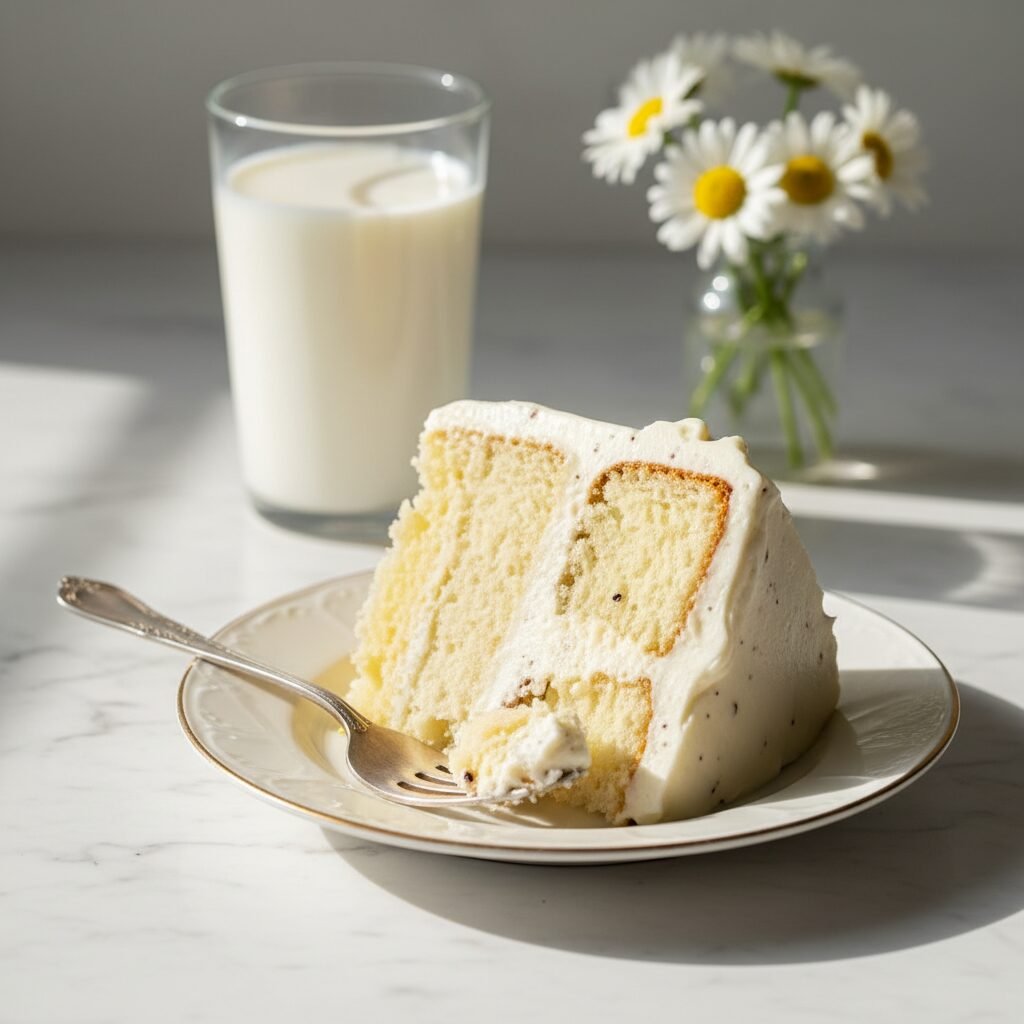
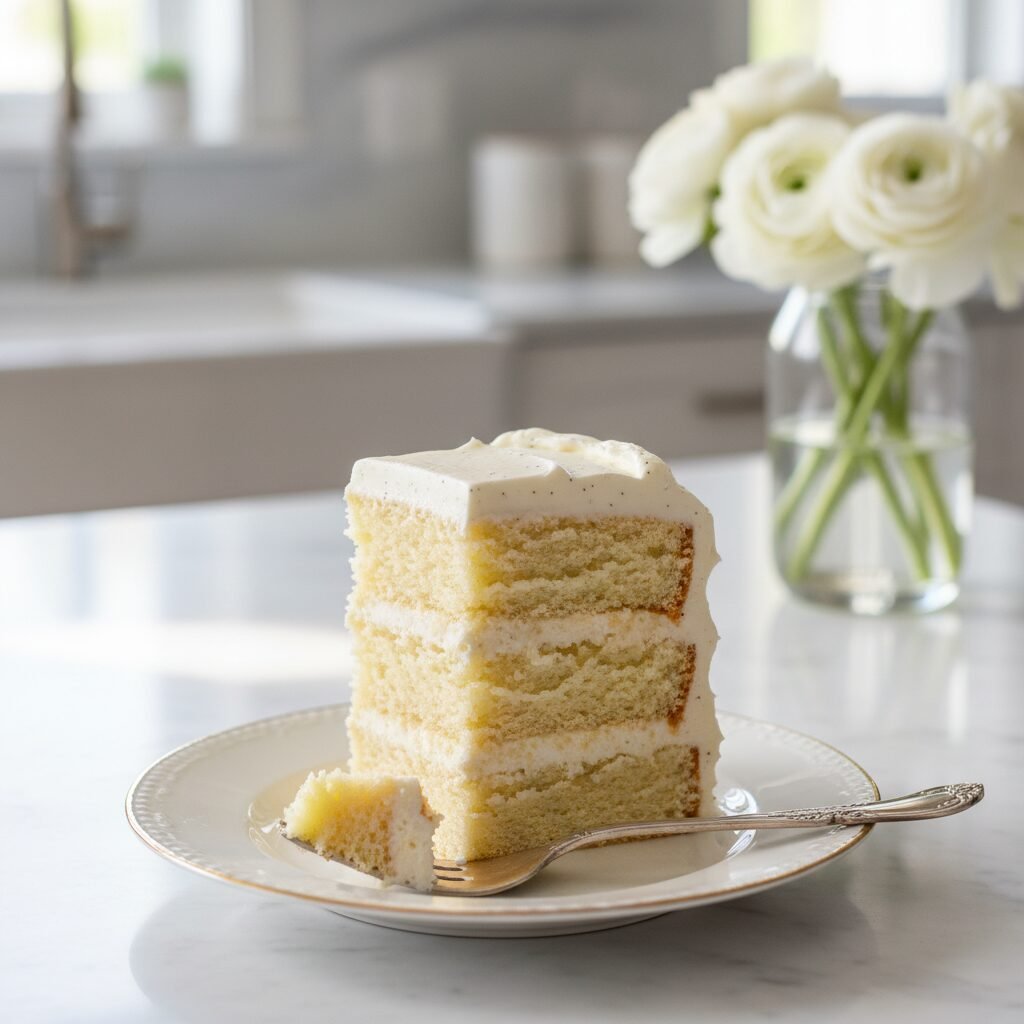
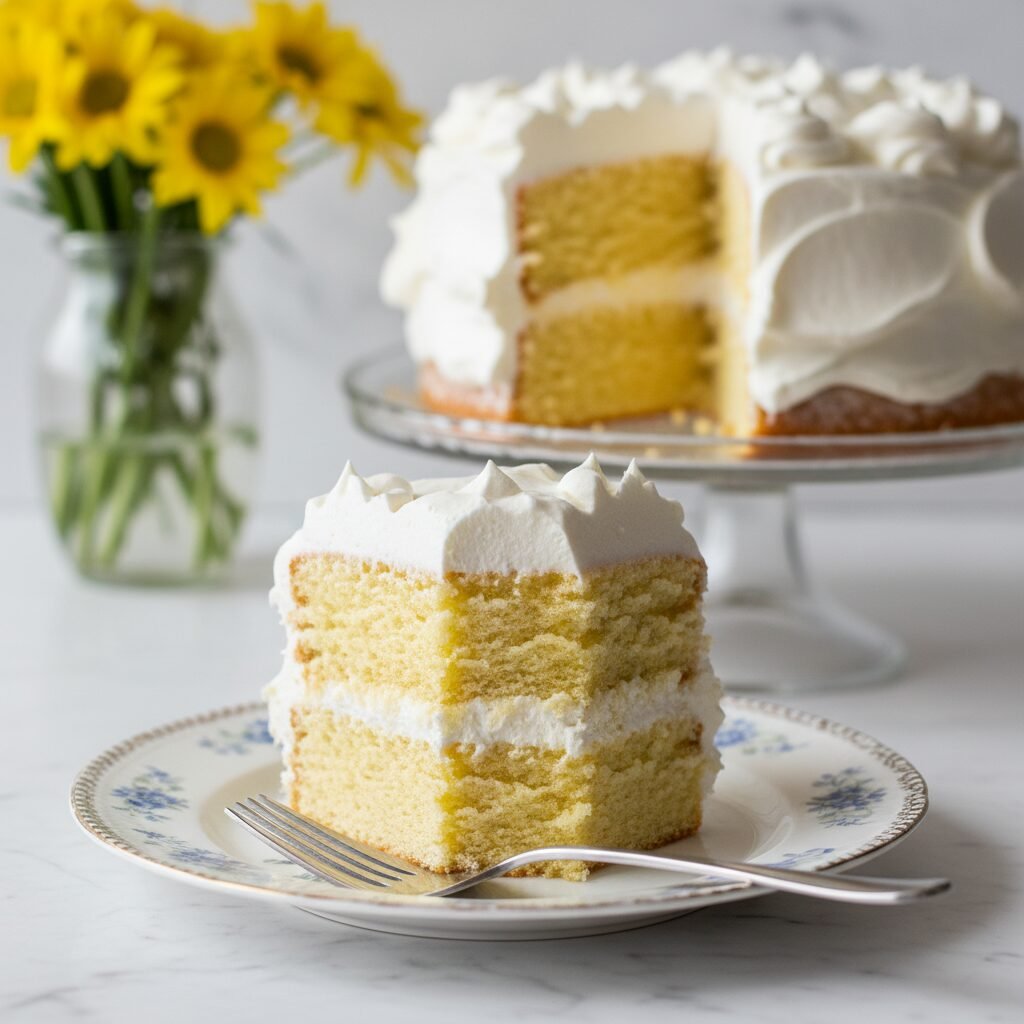
This is the quintessential birthday cake of your dreams: incredible tender, buttery yellow cake layers stacked high with a cloud-like, stabilized whipped cream frosting. It strikes the perfect balance between rich flavor and light texture, making it an instant family favorite for celebrations.
45 minutes
30 minutes
1 hour 15 minutes (plus cooling time)
12-14 servings
Dessert
Baking
American
Vegetarian
There is something profoundly nostalgic and comforting about a classic yellow layer cake. Unlike its pristine white counterpart, which relies solely on egg whites for a delicate crumb, the yellow cake embraces the richness of whole eggs and extra yolks to create a custard-like depth and a golden hue that practically glows. For this recipe, we aren’t just making any yellow cake; we are crafting the moistest, most tender version imaginable, paired not with a heavy, sugary buttercream, but with a lightly sweetened, stabilized whipped cream frosting that cuts through the richness perfectly.
Many home bakers shy away from scratch-baking cakes, fearing dry crumbs or sunken centers, but this recipe is engineered to be foolproof. We utilize a combination of butter for that unmistakable flavor and vegetable oil to ensure the cake stays soft for days. The addition of buttermilk brings a subtle tang that tenderizes the gluten, resulting in a plush, velvety crumb that melts in your mouth.
When you take that first bite, you are greeted with the warm aroma of vanilla and butter, followed by the cool, creamy kiss of the whipped topping. It is less cloying than a standard birthday cake, making it dangerously easy to enjoy a second slice. Whether you are celebrating a milestone birthday, a summer gathering, or just a Sunday afternoon craving, this Moist Yellow Layer Cake with Whipped Cream Frosting is the ultimate crowd-pleaser that brings the bakery experience right into your kitchen.
History & Origins
The concept of the ‘yellow cake’ is deeply rooted in American baking history, evolving alongside the development of leavening agents. In the early 19th century, cakes were leavened primarily with beaten eggs or yeast, resulting in denser, bread-like textures. However, with the commercial introduction of baking powder in the mid-1800s, home bakers could achieve lighter, fluffier cakes with greater ease.
The distinction between white, yellow, and spice cakes became more pronounced as recipes became standardized. White cakes, considered more elegant and refined, utilized only egg whites and were often reserved for weddings. Yellow cakes, utilizing the whole egg (and often the leftover yolks from white cakes), became the standard ‘everyday’ or ‘birthday’ cake because they were richer and wasted less food.
By the mid-20th century, the ‘1-2-3-4 cake’ (1 cup butter, 2 cups sugar, 3 cups flour, 4 eggs) became the gold standard for yellow cakes in American households. However, the post-war era also saw the rise of boxed cake mixes, which promised consistent results and ultra-moist textures due to industrial emulsifiers. For decades, the distinct flavor of ‘box mix yellow cake’ became the benchmark for many palates. In recent years, there has been a massive resurgence in scratch baking, with modern bakers seeking to replicate that ultra-moist box mix texture while using high-quality, natural ingredients. This recipe honors that history by combining the traditional flavor profile of the 1-2-3-4 cake with modern techniques to ensure moisture and longevity.
Why This Recipe Works
This recipe succeeds where others fail because it scientifically addresses the two biggest complaints about homemade yellow cake: dryness and lack of flavor. First, we use a ‘split-fat’ method. Butter is essential for that classic bakery taste, but butter is about 18% water. Oil, on the other hand, is 100% fat and remains liquid at room temperature. By using a ratio of both, we get the flavor of butter with the lasting moisture and tenderness of oil.
Secondly, the inclusion of extra egg yolks does more than just provide color; yolks contain lecithin, a natural emulsifier that binds fats and liquids, creating a tighter, more uniform crumb structure that holds moisture. We also insist on buttermilk rather than regular milk. The acidity in buttermilk reacts with the baking soda and powder to create a better rise, but it also breaks down long gluten strands, preventing the cake from becoming tough or rubbery.
Finally, the frosting is a ‘stabilized’ whipped cream. Regular whipped cream weeps and deflates after a few hours. By incorporating a small amount of mascarpone cheese (or cream cheese), we add fat and structure to the cream. This allows the frosting to hold its shape between the layers and on the outside of the cake for days without turning into a puddle, while still tasting significantly lighter and less sweet than a butter-sugar heavy American buttercream.
Why You’ll Love This Recipe
- ✓Uses both butter and oil for the perfect flavor-moisture balance.
- ✓Stabilized whipped cream frosting holds its shape for days.
- ✓Extra egg yolks create a rich, custard-like crumb.
- ✓Not overly sweet, making it perfect for adults and kids alike.
- ✓Stays soft and moist for up to 4 days in the refrigerator.
Equipment You’ll Need
- ✓Two 8-inch or 9-inch round cake pans
- ✓Stand mixer with paddle and whisk attachments
- ✓Large mixing bowls
- ✓Digital kitchen scale
- ✓Wire cooling rack
- ✓Offset spatula
- ✓Parchment paper
- ✓Sifter
Ingredients
- ✓2 1/2 cups (300g) cake flour, sifted
- ✓2 teaspoons baking powder
- ✓1/2 teaspoon baking soda
- ✓1 teaspoon salt
- ✓3/4 cup (170g) unsalted butter, room temperature
- ✓1/4 cup (60ml) vegetable oil
- ✓1 3/4 cups (350g) granulated sugar
- ✓3 large eggs, room temperature
- ✓2 large egg yolks, room temperature
- ✓1 tablespoon pure vanilla extract
- ✓1 cup (240ml) buttermilk, room temperature
- ✓2 cups (480ml) heavy whipping cream, cold (for frosting)
- ✓8 oz (225g) mascarpone cheese, cold (for frosting)
- ✓1 cup (120g) powdered sugar, sifted (for frosting)
- ✓1 teaspoon vanilla bean paste or extract (for frosting)
Instructions
- Preheat your oven to 350°F (175°C). Grease two 8-inch or 9-inch round cake pans with butter, line the bottoms with parchment paper, and grease the paper. Dust with a little flour, tapping out the excess.
- In a medium bowl, whisk together the sifted cake flour, baking powder, baking soda, and salt. Set aside.
- In the bowl of a stand mixer fitted with the paddle attachment, beat the softened butter, vegetable oil, and granulated sugar on medium-high speed for about 5 minutes. The mixture should look very pale and fluffy.
- Reduce the mixer speed to medium-low. Add the eggs and egg yolks one at a time, beating well after each addition and scraping down the sides of the bowl as needed. Stir in the vanilla extract.
- Reduce the speed to low. Add the flour mixture in three parts, alternating with the buttermilk in two parts, starting and ending with the flour (Flour, Buttermilk, Flour, Buttermilk, Flour). Mix only until just combined and no streaks of flour remain. Do not overmix.
- Divide the batter evenly between the prepared cake pans. Smooth the tops with a spatula.
- Bake for 28-32 minutes, or until a toothpick inserted into the center comes out clean or with just a few moist crumbs attached. The cakes should spring back when lightly pressed.
- Allow the cakes to cool in the pans for 10 minutes, then run a knife around the edges and invert them onto a wire rack to cool completely. Remove the parchment paper.
- While the cakes cool, make the frosting. In a chilled mixing bowl, combine the cold mascarpone cheese, powdered sugar, and vanilla. Beat on medium speed just until smooth and combined (about 1 minute).
- With the mixer running on low, slowly pour in the cold heavy cream. Once all the cream is added, increase the speed to high and whip until stiff peaks form. Watch closely to avoid over-whipping into butter.
- To assemble, place one cake layer on your serving plate. Spread a generous layer of the whipped cream frosting over the top. Place the second cake layer on top.
- Cover the top and sides of the cake with the remaining frosting. Use an offset spatula to create swirls or smooth it out.
- Refrigerate the cake for at least 30 minutes before slicing to allow the frosting to set slightly.
Expert Cooking Tips
- ✓Ensure all cold ingredients (butter, eggs, buttermilk) are at room temperature before starting the batter to prevent curdling.
- ✓Weigh your flour using a digital scale for the most accurate results; too much flour is the #1 cause of dry cake.
- ✓Do not overmix the batter once the flour is added; stop mixing as soon as the flour disappears to keep the cake tender.
- ✓Chill your mixing bowl and whisk attachment in the freezer for 10 minutes before making the whipped cream to help it whip up faster and fluffier.
- ✓If the tops of your cakes dome significantly, use a serrated knife to level them before frosting.
Substitutions and Variations
If you do not have cake flour, you can make a DIY version by measuring 1 cup of all-purpose flour, removing 2 tablespoons, and replacing them with 2 tablespoons of cornstarch. Sift this mixture twice before using. If you don’t have buttermilk, you can make a ‘sour milk’ substitute by adding 1 tablespoon of white vinegar or lemon juice to a measuring cup and filling it to the 1-cup line with whole milk; let it sit for 5 minutes before using. For the frosting stabilizer, if you cannot find mascarpone cheese, you can use full-fat brick cream cheese (softened slightly), or you can omit the cheese and use a packet of whip cream stabilizer (like Dr. Oetker) or 1 teaspoon of unflavored gelatin dissolved in 1 tablespoon of hot water (cooled slightly before adding). You can also swap the vegetable oil for melted coconut oil or grapeseed oil.
Common Mistakes to Avoid
The most common mistake with yellow cake is over-baking. Because the cake is yellow, it can be hard to judge doneness by color alone. Rely on the toothpick test and the ‘spring back’ test. Another issue is mixing the batter too vigorously after adding the flour, which develops gluten and leads to a tough, bread-like texture. Regarding the frosting, a common error is whipping the cream while the mascarpone is too warm or whipping too long; this can cause the mixture to curdle and turn grainy. Always stop when stiff peaks form. Lastly, never try to frost the cake layers while they are even slightly warm, as the whipped cream will melt instantly and slide off.
Serving Suggestions
This cake is stunning in its simplicity, but it pairs beautifully with fresh fruit. Serve slices with a side of macerated strawberries, fresh raspberries, or sliced peaches to cut through the richness. For a birthday celebration, top the cake with colorful sprinkles or edible flowers. It pairs exceptionally well with a dark roast coffee or a cold glass of milk. If you want to add texture, you can sprinkle toasted almonds or crushed pistachios between the layers along with the frosting.
Storage and Reheating Tips
Because this cake features a whipped cream and cheese-based frosting, it must be stored in the refrigerator. It is best to store the cake in a cake keeper or under a large overturned bowl to prevent it from absorbing fridge odors and drying out. The cake will stay fresh for up to 4 days in the fridge. For freezing, it is best to freeze the unfrosted cake layers. Wrap the cooled layers tightly in plastic wrap, then foil, and freeze for up to 3 months. Thaw in the fridge overnight before frosting. You can freeze the frosted cake for short periods (1-2 weeks) if you flash freeze it uncovered first until hard, then wrap gently in plastic wrap.
Nutrition Facts (Estimated)
| Serving Size | 1 slice |
| Calories | 580 |
| Fat | 34g |
| Saturated Fat | 18g |
| Unsaturated Fat | 14g |
| Trans Fat | 0g |
| Cholesterol | 115mg |
| Sodium | 320mg |
| Carbohydrates | 62g |
| Fiber | 1g |
| Sugar | 38g |
| Protein | 6g |
Frequently Asked Questions
Can I make this cake ahead of time?
Yes, you can bake the cake layers a day in advance. Wrap them tightly in plastic wrap once cool and store at room temperature. Make the whipped cream frosting the day you intend to serve for the freshest texture.
Why did my cake sink in the middle?
Sinking usually happens if the oven door was opened too early during baking, causing a temperature drop, or if there was too much leavening (baking powder/soda) in the batter. It can also happen if the cake was underbaked.
Can I use salted butter instead of unsalted?
Yes, but you should reduce the added salt in the recipe to 1/2 teaspoon to avoid an overly salty cake. Unsalted butter is generally preferred for baking to control the flavor profile.
Can I turn this recipe into cupcakes?
Absolutely. This recipe yields about 24 standard cupcakes. Bake them at 350°F for 18-22 minutes. Watch them closely as they bake faster than whole cakes.
My frosting is grainy, can I fix it?
Grainy frosting usually means the cream was over-whipped and the fat has started to separate into butter. Unfortunately, you cannot fully reverse this. You can try gently folding in a little more liquid heavy cream to smooth it out, but it’s best to watch carefully next time.
Why do I need both oil and butter?
Butter provides the delicious flavor and structure, while oil remains liquid at room temperature, ensuring the cake stays moist and soft for days. Using only butter can lead to a drier cake once it cools.
Can I use store-bought frosting?
You can, but this delicate yellow cake pairs best with a light frosting. Heavy, sugary store-bought tubs can overpower the texture. If you need a shortcut, look for a ‘whipped’ style frosting at the store.
Do I really need room temperature ingredients?
Yes! Cold eggs and buttermilk will cause the softened butter to seize up and curdle when mixed, breaking the emulsion. A broken batter results in a greasy, unevenly baked cake.
What does the mascarpone do in the frosting?
Mascarpone acts as a stabilizer. It adds fat and density that helps the whipped cream hold its shape without deflating, while adding a lovely, subtle creamy flavor that isn’t as tangy as cream cheese.
Conclusion
There is truly no substitute for a homemade yellow cake. It is the kind of recipe that becomes a family heirloom, requested year after year for birthdays and holidays. The combination of the buttery, tender crumb and the airy, milky sweetness of the whipped cream is timeless. We hope this Moist Yellow Layer Cake becomes a staple in your kitchen, bringing joy and sweetness to your table. Don’t forget to share your creations on Pinterest and tag us so we can see your beautiful baking triumphs!