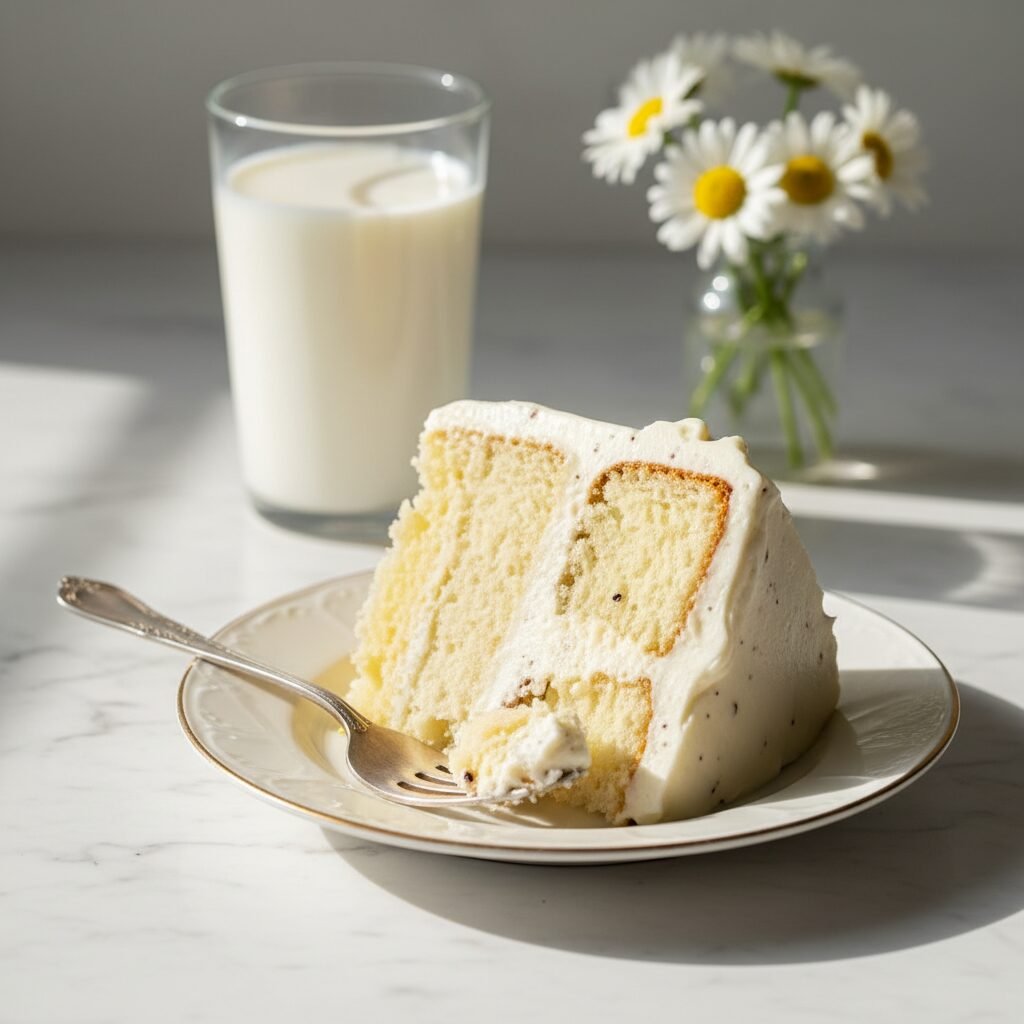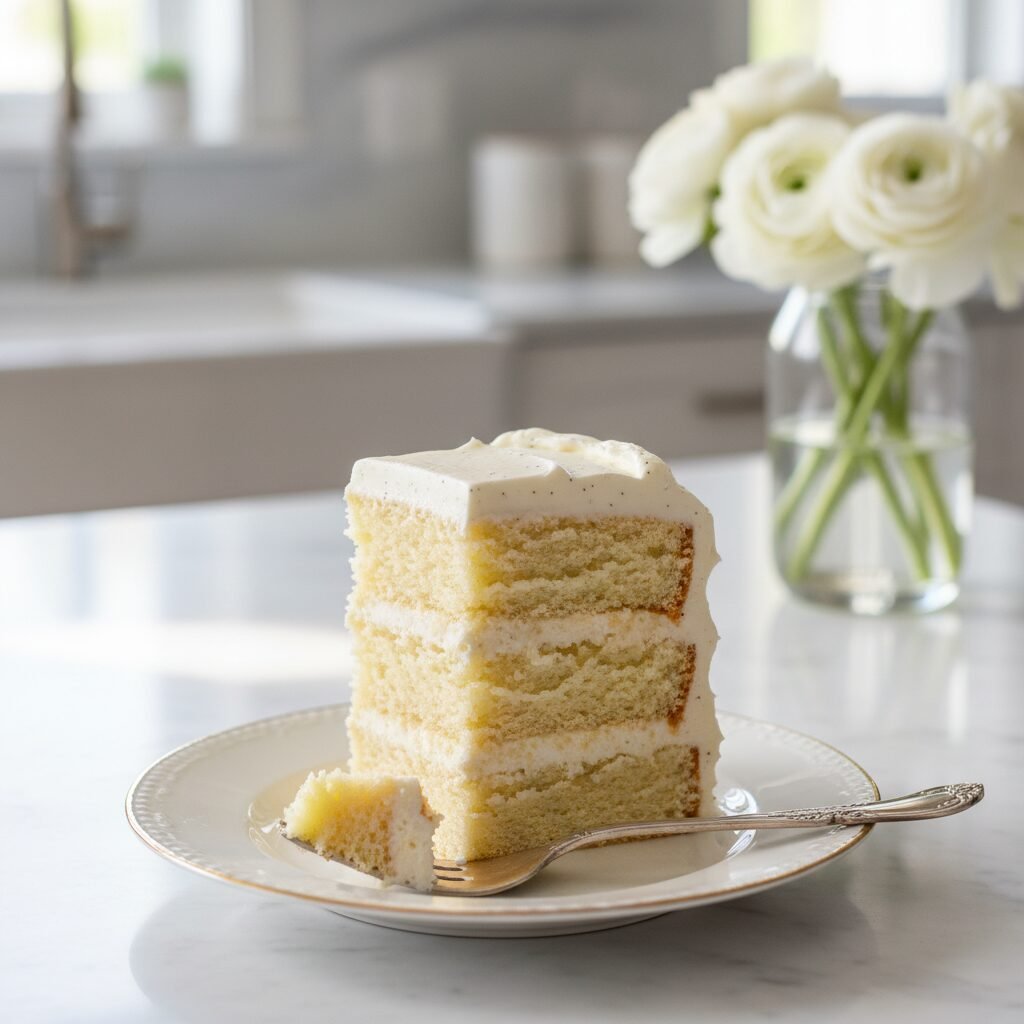

Moist Yellow Sheet Cake For Small Family Recipe
This perfectly sized, ultra-moist yellow sheet cake is the answer to your small-batch baking prayers. Featuring a tender, buttery crumb and a luscious fudge frosting, it delivers all the nostalgia of a birthday party without the overwhelming leftovers of a standard 9×13 pan.
20 minutes
30 minutes
50 minutes
9 servings
Dessert
Baking
American
Vegetarian
There is something undeniably comforting about the classic combination of yellow cake and chocolate frosting. It is the quintessential American birthday cake, a symbol of celebration, and a flavor profile that evokes deep-seated childhood nostalgia. However, for many of us living in smaller households—whether it be a couple, a small family of three, or roommates—the standard sheet cake recipe is simply too much. A traditional 9×13 inch cake yields anywhere from 12 to 20 servings, often leading to days of stale leftovers or the guilt of throwing away delicious food. This Moist Yellow Sheet Cake for Small Families is designed specifically to solve that problem without compromising on texture or flavor. Unlike many scaled-down recipes that result in dry or dense cakes, this recipe has been meticulously tested to ensure the crumb remains incredibly tender, moist, and fluffy. We utilize a specific combination of butter and oil; the butter provides that unmistakable rich flavor, while the oil ensures the cake stays moist for days, not just hours. The result is a golden, velvety sponge that pairs perfectly with a homemade, fudgy chocolate buttercream. It is baked in an 8×8 inch square pan, yielding exactly nine generous squares—the perfect amount for a weekend treat or a small celebration. This isn’t just a cake; it’s a hug in dessert form, sized perfectly for your life.
History & Origins
The history of the ‘yellow cake’ is deeply intertwined with the evolution of baking powder and the availability of refined ingredients in the United States. In the 18th and early 19th centuries, cakes were primarily leavened using yeast or by the laborious mechanical action of beating eggs to trap air, as seen in sponge cakes and pound cakes. The ‘yellow’ color in these early cakes came strictly from egg yolks, which were often used in abundance. However, the game changed in the mid-19th century with the commercialization of baking powder. This chemical leavener allowed home bakers to create lighter, fluffier cakes with significantly less effort and less reliance on the structural integrity of eggs alone. The specific term ‘yellow cake’ began to distinguish itself from ‘white cake’ (which uses only egg whites) and ‘gold cake’ (which used only yolks, often left over from making angel food cake). By the mid-20th century, with the post-WWII boom in convenience cooking and the rise of boxed mixes, the ‘Yellow Cake with Chocolate Frosting’ became the definitive American birthday cake. The sheet cake format itself gained popularity during this era due to its ease of transport for potlucks, church socials, and suburban block parties. Unlike intricate layer cakes that required structural support and careful frosting, the sheet cake was humble, accessible, and communal. This small-batch version honors that rich history, scaling down the tradition to fit the modern, smaller household while keeping the spirit of the 1950s kitchen alive.
Why This Recipe Works
This recipe succeeds where many other small-batch cakes fail because it focuses on the ‘saturation’ of the crumb. When you scale down a recipe, you cannot simply divide all ingredients by half and expect the same chemical reaction; smaller batter volumes heat through faster, which can lead to a dry, rubbery texture. To combat this, this recipe uses a ‘reverse creaming’ hybrid method and a dual-fat system. First, we use both unsalted butter and neutral oil. Butter contains water and milk solids which add flavor but can dry out a cake if used exclusively in small amounts. Oil is 100% fat and remains liquid at room temperature, coating the flour proteins to inhibit gluten formation, resulting in a sensationally tender crumb. Secondly, we use buttermilk rather than regular milk. The acidity in the buttermilk reacts with the baking powder and baking soda to create a superior lift and a softer texture, breaking down long gluten strands. Finally, the ratio of sugar to flour is slightly increased. Sugar is hygroscopic, meaning it attracts and holds water. By optimizing the sugar content, we ensure that the cake retains moisture long after it has cooled, preventing that stale ‘day-old’ taste that plagues many scratch-baked cakes.
Why You’ll Love This Recipe
- ✓Perfect 8×8 inch size yields 9 generous squares, ideal for small families.
- ✓Uses a mix of butter and oil for the ultimate moist texture and rich flavor.
- ✓No stand mixer required; can be made with a simple whisk and bowls.
- ✓Features a classic, easy-to-make fudgy chocolate buttercream.
- ✓Stays soft and fresh for up to 3 days at room temperature.
Equipment You’ll Need
- ✓8×8 inch square baking pan
- ✓Parchment paper
- ✓Large mixing bowl
- ✓Medium mixing bowl
- ✓Whisk
- ✓Rubber spatula
- ✓Wire cooling rack
- ✓Measuring cups and spoons
Ingredients
- ✓1 and 1/2 cups All-Purpose Flour (spooned and leveled)
- ✓1 cup Granulated Sugar
- ✓1 1/2 tsp Baking Powder
- ✓1/4 tsp Baking Soda
- ✓1/2 tsp Salt
- ✓1/2 cup Unsalted Butter, melted and slightly cooled
- ✓1/4 cup Vegetable or Canola Oil
- ✓2 large Eggs, room temperature
- ✓2 tsp Pure Vanilla Extract
- ✓1/2 cup Buttermilk, room temperature
- ✓For the Frosting: 1/2 cup Unsalted Butter, softened
- ✓For the Frosting: 2/3 cup Unsweetened Cocoa Powder
- ✓For the Frosting: 2 cups Powdered Sugar
- ✓For the Frosting: 1 tsp Vanilla Extract
- ✓For the Frosting: 3-4 tbsp Heavy Cream or Milk
Instructions
- 1. Preheat your oven to 350°F (175°C). Grease an 8×8 inch square baking pan with butter or cooking spray and line it with parchment paper, leaving an overhang on two sides for easy removal.
- 2. In a medium bowl, whisk together the flour, baking powder, baking soda, and salt until well combined. Set aside.
- 3. In a large mixing bowl, whisk together the melted butter, vegetable oil, and granulated sugar until the mixture looks like wet sand.
- 4. Add the eggs one at a time, whisking vigorously after each addition until the mixture is smooth and slightly pale. Whisk in the vanilla extract.
- 5. Add about one-third of the flour mixture to the wet ingredients and gently whisk until just combined. Pour in half of the buttermilk and whisk gently.
- 6. Repeat with another third of the flour, the remaining buttermilk, and end with the final portion of flour. Whisk only until no streaks of flour remain—do not overmix.
- 7. Pour the batter into the prepared baking pan and smooth the top with a rubber spatula. Tap the pan gently on the counter once to release any large air bubbles.
- 8. Bake for 28-32 minutes, or until a toothpick inserted into the center comes out clean or with just a few moist crumbs attached. The top should be golden brown and spring back when lightly touched.
- 9. Remove the cake from the oven and let it cool in the pan for 15 minutes. Then, use the parchment overhang to lift the cake out and place it on a wire rack to cool completely before frosting.
- 10. While the cake cools, make the frosting. In a medium bowl (or using a hand mixer), beat the softened butter until creamy. Add the cocoa powder and beat until combined.
- 11. Gradually add the powdered sugar alternately with the heavy cream/milk and vanilla. Beat on medium-high speed for 2-3 minutes until fluffy and spreadable. Add more cream if needed for consistency.
- 12. Once the cake is completely cool, spread the frosting generously over the top. Slice into 9 squares and serve.
Expert Cooking Tips
- ✓Room temperature ingredients are non-negotiable; cold eggs or buttermilk will seize the melted butter and result in a dense cake.
- ✓Do not overmix the batter once the flour is added. Overmixing develops gluten, which makes the cake tough instead of tender.
- ✓Weigh your flour if possible (approx. 120g per cup) or use the spoon-and-level method to avoid adding too much flour.
- ✓If using a glass baking dish instead of metal, reduce the oven temperature by 25°F and check for doneness a few minutes earlier.
- ✓Ensure the cake is 100% cool before frosting, otherwise, the butter in the frosting will melt and slide off.
Substitutions and Variations
If you do not have buttermilk, you can make a quick substitute by adding 1.5 teaspoons of white vinegar or lemon juice to a half-cup measuring cup and filling the rest with whole milk; let it sit for 5 minutes before using. For a dairy-free version, use a plant-based butter stick (melted) and almond milk mixed with vinegar for the buttermilk, though the texture may be slightly less rich. You can substitute the all-purpose flour with cake flour for an even lighter crumb, but you will need to increase the volume slightly (1 cup AP flour = 1 cup + 2 tbsp cake flour). Coconut oil can be used in place of vegetable oil, but ensure it is liquid and be aware it may impart a slight coconut flavor. For the frosting, you can use melted dark chocolate instead of cocoa powder for a ganache-style topping.
Common Mistakes to Avoid
The most common mistake is overbaking the cake. Because this is a smaller volume of batter, it can go from perfect to dry in a matter of 3 minutes. Start checking at the 28-minute mark. Another error is opening the oven door too frequently during the first 20 minutes of baking, which can cause the center to sink due to temperature fluctuation. Using salted butter instead of unsalted without adjusting the added salt can make the cake taste savory; if you only have salted butter, omit the 1/2 tsp of salt in the recipe. Finally, attempting to frost a warm cake is a disaster; be patient and let it cool completely.
Serving Suggestions
This cake is best served simply, perhaps with a few colorful sprinkles for a festive touch. For an elevated dessert, serve a warm square with a scoop of vanilla bean ice cream and a drizzle of hot fudge sauce. Fresh berries, such as raspberries or strawberries, cut through the richness of the chocolate frosting perfectly. It pairs exceptionally well with a cold glass of milk or a hot cup of black coffee.
Storage and Reheating Tips
Store the frosted cake in an airtight container at room temperature for up to 3 days. The oil in the recipe helps it stay moist. If your kitchen is particularly hot or humid, you can store it in the refrigerator for up to 5 days, but allow it to come to room temperature before eating for the best texture. To freeze, wrap individual unfrosted squares tightly in plastic wrap and foil; they will keep for up to 3 months. Frosted slices can also be frozen if flash-frozen on a tray first before wrapping.
Nutrition Facts (Estimated)
| Serving Size | 1 square |
| Calories | 380 |
| Fat | 18g |
| Saturated Fat | 9g |
| Unsaturated Fat | 8g |
| Trans Fat | 0g |
| Cholesterol | 55mg |
| Sodium | 210mg |
| Carbohydrates | 48g |
| Fiber | 1g |
| Sugar | 28g |
| Protein | 4g |
Frequently Asked Questions
Can I double this recipe for a 9×13 pan?
Yes, you can double all the ingredients exactly to bake in a standard 9×13 inch pan. You will likely need to increase the baking time to 35-40 minutes.
Why did my cake sink in the middle?
Sinking is usually caused by opening the oven door too early, underbaking the cake (the structure wasn’t set), or using too much leavening (baking powder/soda).
Can I use this batter to make cupcakes?
Absolutely. This recipe will yield approximately 10-12 standard cupcakes. Bake them at 350°F for 18-22 minutes.
Is it better to use oil or butter?
This recipe uses both for a reason. Butter provides the delicious flavor, while oil provides superior moisture and keeps the cake soft. We recommend sticking to the blend.
Can I use gluten-free flour?
Yes, a high-quality 1:1 gluten-free baking flour blend (that includes xanthan gum) works well in this recipe. The texture might be slightly different, but still delicious.
Do I need a stand mixer?
No, this recipe is designed to be ‘low equipment.’ A whisk and two bowls are all you need for the cake. A hand mixer helps for the frosting, but you can beat it by hand with a wooden spoon if you have some muscle.
Can I reduce the sugar?
We don’t recommend reducing the sugar by more than 10-15%. Sugar contributes to the moisture and structure of the cake, not just sweetness. Reducing it too much will result in a tough, dry cake.
Why does the recipe call for room temperature eggs?
Room temperature eggs emulsify better with the batter and don’t shock the melted butter, creating a smoother, more uniform mixture that rises better.
Conclusion
Baking a scratch-made cake doesn’t have to be a massive production reserved for large parties. This Moist Yellow Sheet Cake for Small Families proves that you can enjoy the process and the reward of home baking on a scale that fits your lifestyle. Whether you are celebrating a minor victory, a birthday for three, or just a Tuesday night craving, this cake delivers the perfect balance of fluffy, buttery goodness and rich chocolate decadence. It is a reliable, foolproof recipe that brings the bakery experience right into your small kitchen.