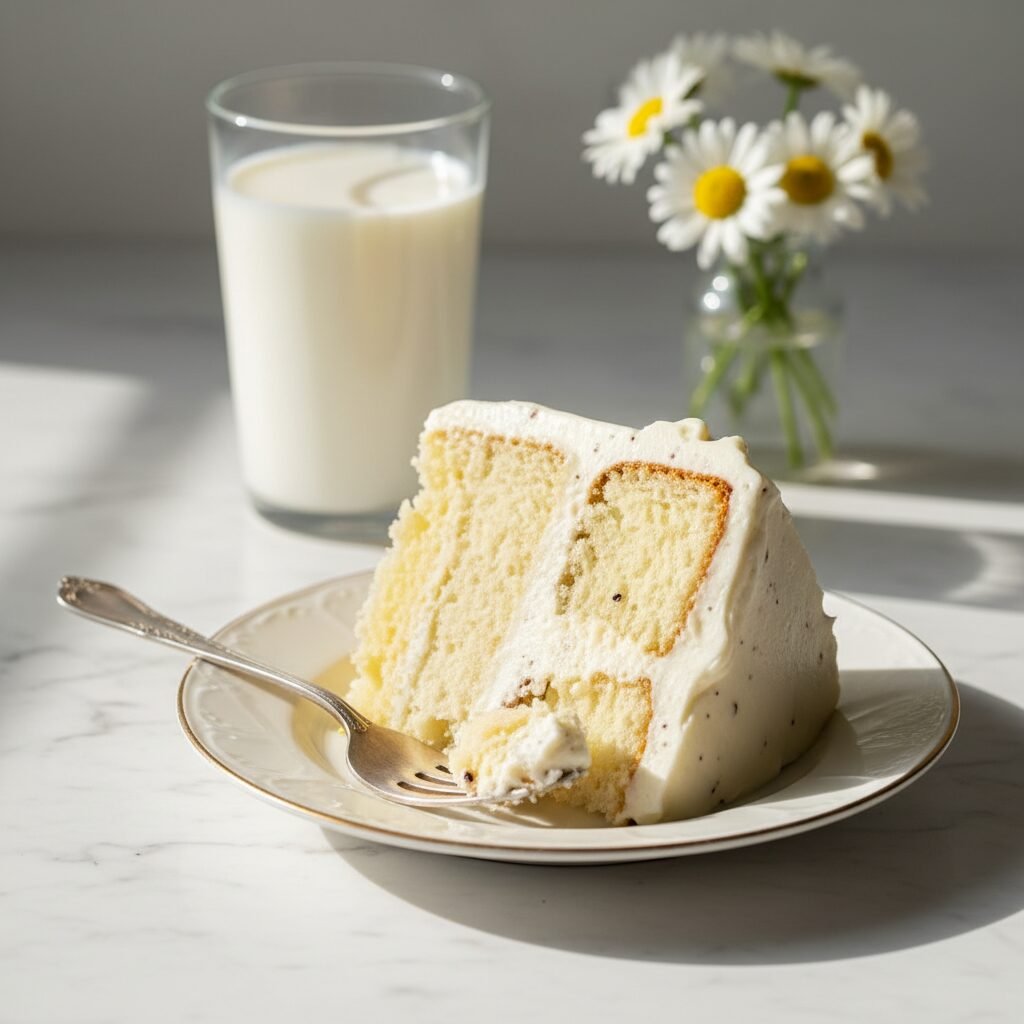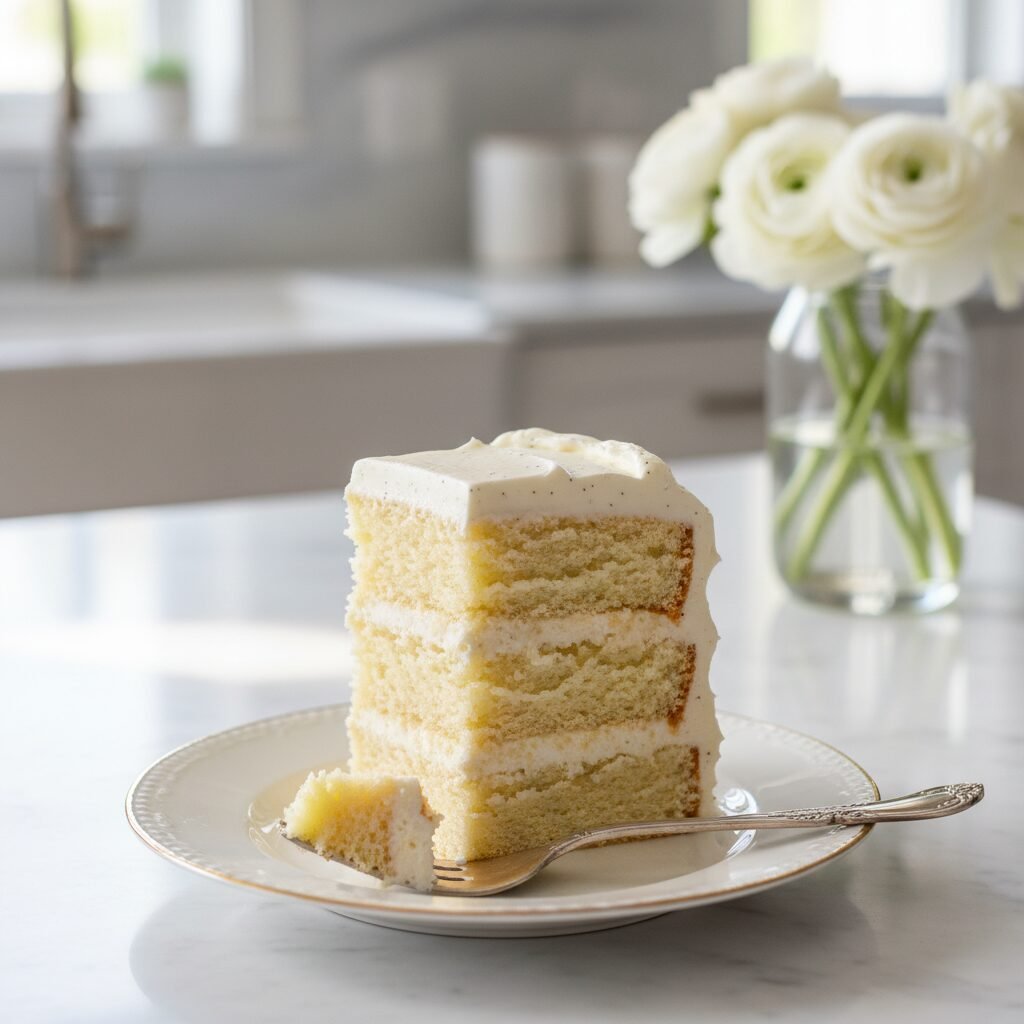
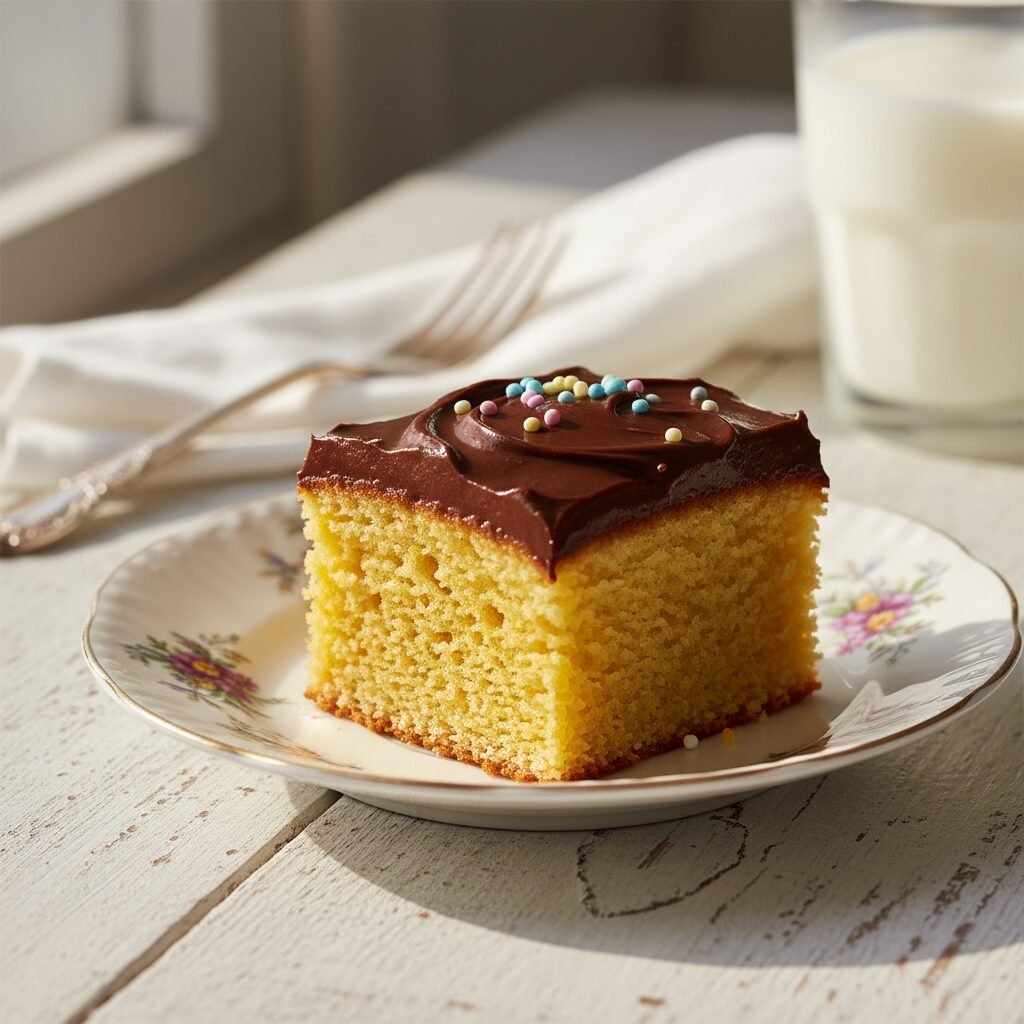
Moist Yellow Sheet Cake For Two People Recipe
Craving that classic birthday cake nostalgia without the leftovers? This small-batch moist yellow sheet cake for two delivers a tender, buttery crumb and rich chocolate fudge frosting, perfectly portioned for a cozy date night or a solo indulgence.
15 minutes
25 minutes
40 minutes
2-4 Servings
Dessert
Baking
American
Vegetarian
There is something undeniably magical about the classic combination of yellow cake and chocolate frosting. It is the quintessential birthday flavor, a staple of childhood celebrations, and a comfort food that transcends generations. However, the standard recipe usually yields a massive 9×13 inch slab or a towering layer cake—far too much for a single craving or a quiet evening at home. Enter this Moist Yellow Sheet Cake For Two. This recipe is not simply a mathematical reduction of a larger formula; it has been meticulously re-engineered to maintain that iconic, velvety texture and rich, custard-like flavor in a significantly smaller footprint.
We move beyond the convenience of boxed mixes to embrace the soulful art of scratch baking, even on a micro-scale. The crumb is exceptionally tender, owing to the strategic use of ingredients that prioritize moisture and density over airy fluffiness. It captures the essence of what a ‘sheet cake’ should be: an ideal ratio of cake to frosting in every single bite. The yellow hue is all-natural, derived from rich egg yolks and high-quality butter, avoiding the artificial coloring found in commercial aisles.
This cake is designed for those moments when you want to celebrate the little wins, or simply treat yourself and a loved one to a dessert that feels special and homemade without the burden of storing a week’s worth of leftovers. It is quick to assemble, bakes evenly without the sinking centers common in small-batch baking, and is topped with a glossy, decadent chocolate fudge frosting that sets perfectly. Whether you are an empty nester, a college student, or a couple looking for the perfect dessert to cap off a romantic dinner, this yellow sheet cake brings the bakery experience right to your small-scale kitchen.
History & Origins
The history of the ‘yellow cake’ is deeply intertwined with the evolution of American baking, specifically the availability of chemical leaveners and the separation of eggs. In the 19th century, cakes were often categorized by their color and the part of the egg used. ‘Silver Cake’ or ‘Lady Cake’ utilized only egg whites to achieve a pristine, white crumb—often served at weddings. Conversely, ‘Gold Cake’ was developed to use up the leftover egg yolks. These Gold Cakes were the ancestors of the modern yellow cake, prized for their rich, golden color and denser, more flavorful crumb compared to their white counterparts.
As baking powder became commercially available and reliable in the mid-to-late 1800s, home bakers could move away from yeast-leavened cakes to ‘butter cakes,’ which relied on the creaming method for aeration. The yellow cake became a household standard, representing a wholesome, everyday luxury. The concept of the ‘sheet cake’ gained immense popularity in the mid-20th century, particularly with the rise of suburban living and community potlucks. The ‘Texas Sheet Cake’—typically chocolate—cemented the idea of a single-layer rectangular cake frosted while warm.
However, the true democratization of yellow cake came with the industrial food revolution of the 1940s and 50s. Brands like Betty Crocker and Duncan Hines introduced boxed mixes that promised a perfect yellow cake every time. While convenient, these mixes often sacrificed the nuanced buttery flavor of scratch baking for shelf stability and artificial vanilla notes. In recent years, there has been a significant culinary movement towards ‘small batch’ baking. As household sizes shrink and food waste becomes a greater concern, the demand for high-quality, scaled-down recipes has revived the art of the ‘Gold Cake,’ adapting historical techniques for the modern, smaller kitchen.
Why This Recipe Works
Scaling down a cake recipe is rarely as simple as dividing the ingredients by four. Baking is chemistry, and the interplay between fat, sugar, and flour changes dynamics in smaller volumes. This recipe works because it specifically addresses the challenges of micro-baking. First, we use only the egg yolk. A whole egg would be too much liquid and structure for this small amount of flour, potentially leading to a rubbery texture. The yolk provides the necessary fat and emulsifiers (lecithin) to create a tender, moist crumb and that signature yellow color without drying out the batter.
Secondly, the choice of fat is crucial. We use melted butter combined with a touch of oil (if you choose the variation) or sour cream. While butter provides the essential flavor, it contains water which can evaporate; adding a dairy component like sour cream or Greek yogurt introduces acidity, which tenderizes the gluten strands and ensures the cake stays moist for days.
Thirdly, the baking vessel matters. To mimic the ‘sheet cake’ experience—which is defined by a high surface-area-to-volume ratio—we use a loaf pan or a small rectangular dish. This ensures the cake bakes quickly and evenly, developing a slight crust on top that contrasts beautifully with the soft interior. Finally, the frosting is a cooked fudge style (or a simple buttercream, depending on preference), which is scaled to provide a thick, generous layer, replicating the classic sheet cake aesthetic where the frosting is almost as important as the cake itself.
Why You’ll Love This Recipe
- ✓Perfectly portioned for two to three people with zero waste.
- ✓Uses egg yolks for a naturally rich color and tender, velvety crumb.
- ✓Ready in under 45 minutes from mixing bowl to dessert plate.
- ✓No electric mixer required; can be made entirely by hand.
- ✓Authentic buttery vanilla flavor that beats any boxed mix.
- ✓Versatile batter that can be customized with sprinkles or chocolate chips.
Equipment You’ll Need
- ✓9×5 inch Loaf Pan or 6×6 inch Baking Dish
- ✓Medium Mixing Bowl
- ✓Small Saucepan (for frosting)
- ✓Whisk
- ✓Rubber Spatula
- ✓Measuring Cups and Spoons
- ✓Parchment Paper
- ✓Wire Cooling Rack
Ingredients
- ✓6 tbsp All-Purpose Flour
- ✓4 tbsp Granulated Sugar
- ✓1/4 tsp Baking Powder
- ✓1 pinch Salt
- ✓2 tbsp Unsalted Butter, melted
- ✓1 large Egg Yolk
- ✓2 tbsp Sour Cream (or Greek Yogurt)
- ✓1/2 tsp Pure Vanilla Extract
- ✓1 tbsp Milk (any percentage)
- ✓For the Frosting: 2 tbsp Unsalted Butter (softened)
- ✓For the Frosting: 1/3 cup Powdered Sugar
- ✓For the Frosting: 1 tbsp Unsweetened Cocoa Powder
- ✓For the Frosting: 1 tsp Milk or Heavy Cream
- ✓Sprinkles (optional, for garnish)
Instructions
- Preheat your oven to 350°F (175°C). Grease a 9×5 inch loaf pan or a small 6×6 inch baking dish generously with butter or cooking spray. For easier removal, you can line the bottom with a strip of parchment paper.
- In a medium mixing bowl, whisk together the dry ingredients: flour, granulated sugar, baking powder, and salt. Ensure there are no large lumps.
- In a separate small bowl or measuring cup, whisk together the melted butter, egg yolk, sour cream, vanilla extract, and milk until the mixture is smooth and emulsified.
- Pour the wet ingredients into the dry ingredients. Using a rubber spatula, gently fold the mixture together. Do not overmix; stir just until no streaks of flour remain. The batter will be thick.
- Scrape the batter into the prepared baking pan. Use the spatula to spread it out evenly into the corners. Since this is a small amount of batter, spreading it evenly is key for consistent baking.
- Bake in the preheated oven for 20-25 minutes. The cake is done when the top is golden and springs back when lightly touched, or a toothpick inserted into the center comes out clean or with just a few moist crumbs.
- Remove the cake from the oven and place the pan on a wire rack. Let it cool completely in the pan. This helps retain moisture and mimics the classic sheet cake style.
- While the cake cools, prepare the frosting. In a small bowl, beat the softened butter until creamy. Add the powdered sugar and cocoa powder. Mix slowly at first, then increase speed (or whisk vigorously by hand) until combined.
- Add the milk or heavy cream one teaspoon at a time until you reach a spreadable, creamy consistency. If you prefer a ganache style, you can melt the butter and cocoa together instead.
- Once the cake is cool, spread the frosting generously over the top directly in the pan (or remove cake first if preferred). Top with colorful sprinkles if desired.
- Slice into 2 generous portions or 4 smaller squares and serve immediately.
Expert Cooking Tips
- ✓Room temperature ingredients are key. Ensure your sour cream and egg yolk are not ice cold, as this helps them emulsify with the melted butter for a smoother batter.
- ✓Do not skip the sour cream. The acidity activates the baking powder and tenderizes the gluten, which is essential for that ‘moist’ texture in small batches.
- ✓Measure flour correctly. Use the spoon-and-level method. Scooping directly with the measuring cup packs the flour and can lead to a dry, dense cake.
- ✓Watch the oven time closely. Because the volume is small, it can go from perfectly baked to dry in just 2-3 minutes.
- ✓If using a glass baking dish (like Pyrex), lower the oven temperature by 25°F as glass retains heat longer and can overcook the edges.
- ✓For a deeper yellow color, look for free-range eggs or eggs specifically marketed as having amber yolks.
Substitutions and Variations
This recipe is quite flexible despite its chemical precision. If you do not have sour cream, full-fat Greek yogurt is the best 1:1 substitute. In a pinch, you can use buttermilk, though the batter will be slightly thinner. For the fat, you can substitute the melted butter with a neutral vegetable oil or melted coconut oil for a dairy-free sponge (though you lose the butter flavor). To make this gluten-free, use a high-quality 1:1 gluten-free flour blend that contains xanthan gum; almond flour alone will not provide enough structure. If you are out of vanilla extract, almond extract offers a lovely ‘wedding cake’ flavor profile. For the frosting, if you prefer vanilla over chocolate, simply omit the cocoa powder and increase the powdered sugar by about 1 tablespoon, adding a splash more vanilla extract.
Common Mistakes to Avoid
The most common mistake with small-batch baking is overmixing. Because there is such a small amount of flour, it is very easy to develop the gluten too much, resulting in a tough, rubbery texture rather than a tender crumb. Stop mixing the moment the flour disappears. Another error is using a pan that is too large. If you use an 8×8 pan for this recipe, the batter will spread too thin and turn into a cracker. Stick to a loaf pan or a specialized small baking dish. Finally, measuring the butter before melting vs. after melting can result in slight discrepancies; measure the solid butter first, then melt. Lastly, do not frost the cake while it is warm unless you want the frosting to melt into a glaze (which is delicious, but not the intended fluffy texture).
Serving Suggestions
This cake is best served casually, straight from the pan, embracing the rustic ‘sheet cake’ vibe. It pairs wonderfully with a cold glass of milk or a hot cup of black coffee to cut through the sweetness of the frosting. For a more elevated presentation, lift the cake out of the pan using the parchment paper, slice it into neat squares, and serve on small dessert plates with a dollop of unsweetened whipped cream and fresh raspberries. If you are serving this for a celebration, a single candle in the center makes it festive without the fuss of a large cake. It also works well as a base for a sundae—warm a slice slightly and top with vanilla bean ice cream.
Storage and Reheating Tips
Because this cake contains sour cream and butter, it stays moist relatively well. Store any leftovers in an airtight container at room temperature for up to 2 days. If you need to keep it longer, refrigerate it for up to 4 days, but be aware that the butter in the cake will solidify, making the crumb feel denser. To restore the soft texture, microwave a refrigerated slice for 10-15 seconds before eating. For freezing, wrap individual unfrosted slices tightly in plastic wrap and foil; they can be frozen for up to a month. Thaw at room temperature. It is generally recommended to freeze the cake without frosting for the best results.
Nutrition Facts (Estimated)
| Serving Size | 1 slice (1/4 of cake) |
| Calories | 340 |
| Fat | 18g |
| Saturated Fat | 11g |
| Unsaturated Fat | 6g |
| Trans Fat | 0.5g |
| Cholesterol | 85mg |
| Sodium | 180mg |
| Carbohydrates | 42g |
| Fiber | 1g |
| Sugar | 28g |
| Protein | 4g |
Frequently Asked Questions
Can I double this recipe?
Yes, you can double the ingredients exactly. If you double it, bake it in an 8×8 inch square pan. The baking time may need to be increased by 5-10 minutes; check for doneness around the 25-minute mark.
Why did my cake sink in the middle?
Sinking usually happens if the oven door was opened too early, causing a temperature drop, or if there was too much leavening (baking powder). Ensure your measurements are precise and try not to peek until the end of the baking time.
Can I use a whole egg instead of just the yolk?
It is not recommended for this specific small-batch ratio. The white adds extra water and protein that can dilute the richness and dry out the small amount of batter. The yolk is essential for the ‘moist yellow cake’ texture.
What if I don’t have a loaf pan?
You can use two standard muffin tins (it will make about 2-3 cupcakes) or a small oven-safe ramekin. Adjust baking time down to 15-18 minutes for cupcakes.
Is salted or unsalted butter better?
Unsalted butter is preferred so you can control the sodium level. If you only have salted butter, omit the pinch of salt listed in the dry ingredients.
Can I use oil instead of butter?
Yes, vegetable or canola oil makes a very moist cake, but you will miss out on the distinct buttery flavor that defines a traditional yellow cake. A 50/50 split is often a great compromise.
How do I make the frosting fluffier?
To get a fluffier frosting, beat the butter alone for 2-3 minutes until it is very pale and aerated before adding the sugar. Adding a tiny splash of heavy cream instead of milk also helps stabilize the fluffiness.
Why is my cake dry?
The most likely culprit is over-baking. Small cakes have a very small margin of error. Check it 2-3 minutes before the timer goes off. Also, ensure you didn’t pack the flour into the measuring cup.
Conclusion
In a world of supersized portions and bulk buying, this Moist Yellow Sheet Cake For Two is a refreshing reminder that good things truly do come in small packages. It captures the heart and soul of a traditional homemade birthday cake—the buttery aroma, the golden tender crumb, and the sweet rush of chocolate frosting—without the commitment of a full-sized bake. It is the perfect solution for curbing a sweet tooth, celebrating a quiet anniversary, or simply practicing self-care through baking. We hope this recipe becomes your go-to for those moments when you need a little slice of happiness. Happy baking!