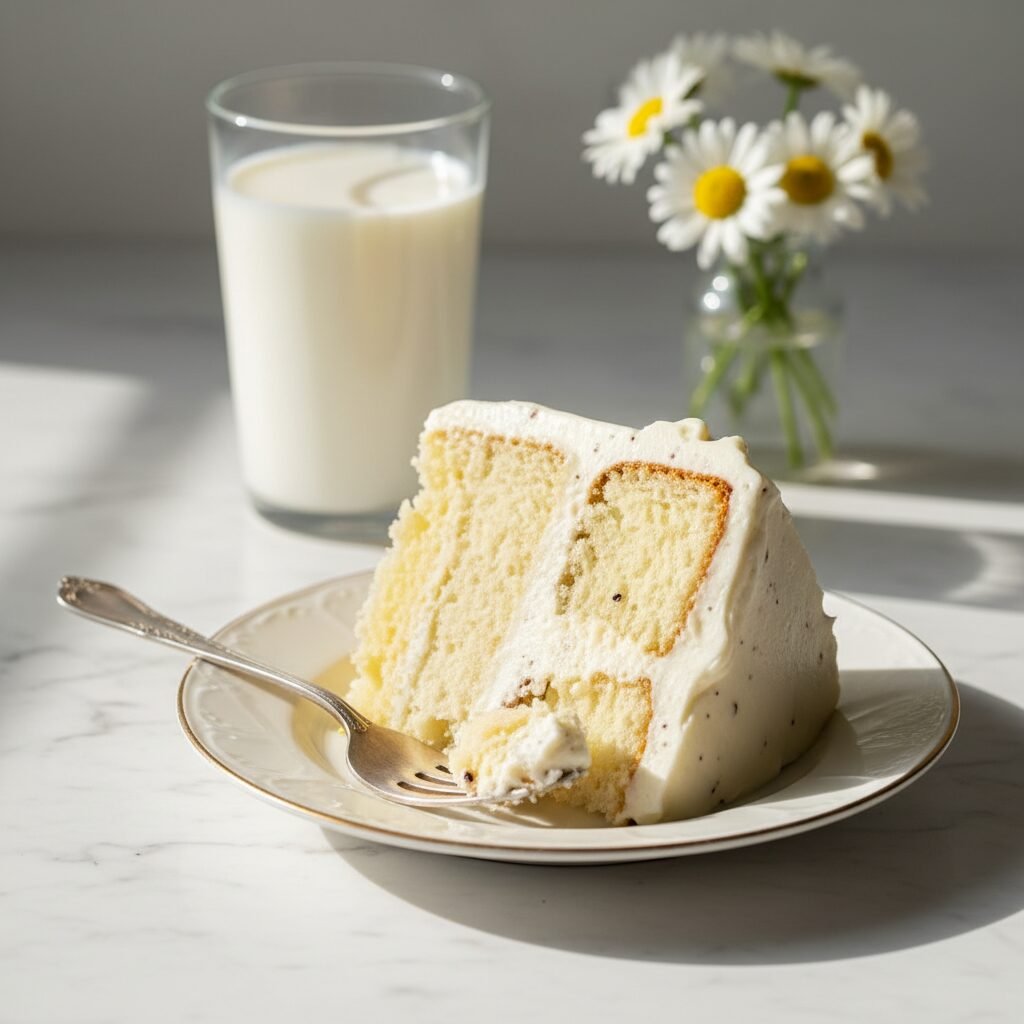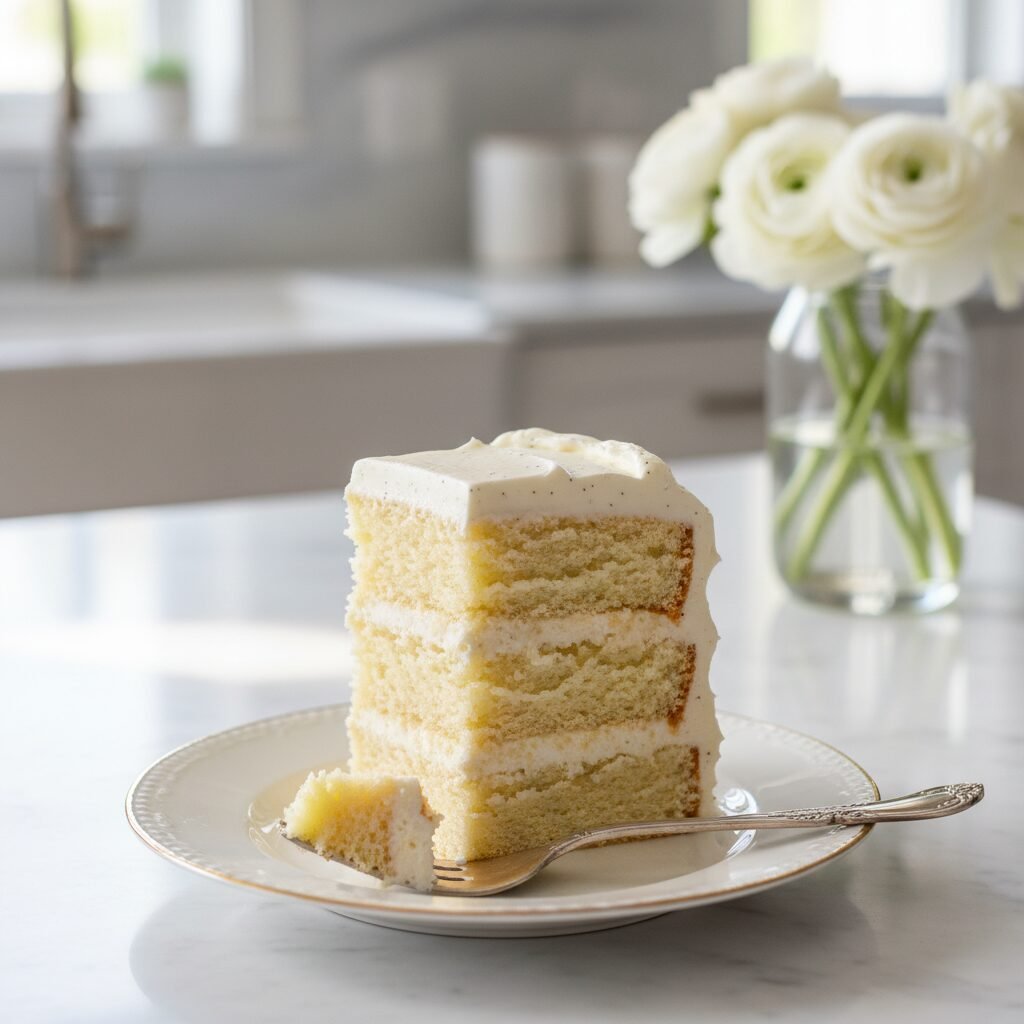

Moist Yellow Sheet Cake Recipe
Ditch the box mix for good! This incredibly moist yellow sheet cake features a tender, buttery crumb and is topped with a rich, homemade chocolate fudge frosting. It is the quintessential birthday cake that brings back all the best childhood memories.
25 minutes
30 minutes
55 minutes
12-15 servings
Dessert
Baking
American
Vegetarian
There is something profoundly nostalgic about a classic yellow sheet cake. It is the centerpiece of countless childhood birthday parties, church potlucks, and family reunions. But let’s be honest: for years, many of us have relied on the convenience of a yellow box mix because achieving that perfect balance of moisture, fluffiness, and buttery flavor from scratch can be elusive. Often, homemade yellow cakes turn out dense, dry, or cornbread-like in texture. That ends today. This recipe is the result of obsessive testing to recreate that ‘box mix’ texture—soft, plush, and tender—but with the superior, authentic flavor that only real butter and vanilla can provide.
The secret lies in a few key techniques and ingredients that we will break down in this post. We are looking for a crumb that is tight yet airy, sturdy enough to hold up to a thick layer of frosting, but soft enough to melt in your mouth. This cake is golden-hued, rich with egg yolks, and carries a distinct vanilla aroma that fills the entire kitchen. Paired with a luscious, whipped chocolate fudge frosting, it is the ultimate comfort dessert. Whether you are baking for a crowd or just craving a slice of pure Americana, this moist yellow sheet cake is guaranteed to become your new go-to standard. It is unfussy, unpretentious, and utterly delicious—the kind of cake that doesn’t need fancy piping or fondant to shine, just a sturdy spatula and some colorful sprinkles.
History & Origins
The history of the ‘yellow cake’ is deeply intertwined with the evolution of American baking. Before the mid-19th century, most cakes were yeast-raised or relied heavily on beaten egg whites for lift, similar to sponge cakes. The concept of the modern ‘butter cake’ began to take shape with the invention of chemical leaveners like baking soda and baking powder in the mid-1800s. These innovations allowed home bakers to produce lighter, fluffier cakes with greater reliability and less physical labor than beating eggs by hand for an hour.
By the early 20th century, recipes for ‘Gold Cake’ or ‘Golden Cake’ began appearing in cookbooks. These recipes were specifically designed to use up the egg yolks left over after making Angel Food Cake, which requires only whites. The vibrant yellow color came from these rich yolks and the high-quality butter available at the time. As the decades progressed, the yellow cake became a staple of American domesticity. However, the true explosion of the yellow cake as a cultural icon came in the post-WWII era with the advent of industrial cake mixes. Brands like Betty Crocker and Duncan Hines popularized the ‘moist, fluffy’ texture that defined the palate of a generation. The 9×13 sheet pan became the vessel of choice for suburban housewives, offering an easy way to feed a crowd without the fuss of layering round cakes. This recipe pays homage to that mid-century classic, reclaiming the tradition of scratch baking while honoring the textural expectations set by the industrial era.
Why This Recipe Works
This recipe succeeds where others fail because it meticulously balances fat, sugar, and flour protein. First, we use a combination of butter and oil. Butter provides that unmistakable, milky flavor that is essential for a yellow cake, while vegetable oil—which remains liquid at room temperature—ensures the cake stays moist for days. A cake made with 100% butter can often feel dry once it cools, but the oil prevents this.
Secondly, we utilize buttermilk and a specific mixing method. The acidity in the buttermilk reacts with the baking soda to create a tender crumb and helps break down gluten strands, preventing toughness. We also employ a ‘reverse creaming’ or ‘two-stage’ mixing method (though simplified here) where the fat coats the flour particles before the liquid is fully incorporated. This inhibits gluten formation, resulting in a velvety, plush texture rather than a chewy, bread-like one. Finally, the addition of extra egg yolks not only contributes to the classic golden color but also adds emulsifying fats that bind the liquid and fat together, creating a rich, custard-like undertone that distinguishes a great yellow cake from a mediocre one.
Why You’ll Love This Recipe
- ✓Incredibly moist texture that stays soft for days.
- ✓Rich, authentic buttery vanilla flavor.
- ✓Easy one-bowl frosting method.
- ✓Feeds a crowd—perfect for parties and potlucks.
- ✓No fancy decorating skills required.
- ✓Better than any box mix you can buy.
Equipment You’ll Need
- ✓9×13 inch baking pan
- ✓Stand mixer or electric hand mixer
- ✓Large mixing bowls
- ✓Whisk
- ✓Rubber spatula
- ✓Measuring cups and spoons
- ✓Sifter or fine-mesh sieve
- ✓Offset spatula for frosting
Ingredients
- ✓2 1/2 cups Cake Flour (spooned and leveled)
- ✓2 cups Granulated Sugar
- ✓1 1/2 tsp Baking Powder
- ✓1/2 tsp Baking Soda
- ✓1 tsp Kosher Salt
- ✓3/4 cup Unsalted Butter, room temperature
- ✓1/4 cup Vegetable Oil (or Canola Oil)
- ✓3 large Eggs, room temperature
- ✓2 large Egg Yolks, room temperature
- ✓1 tbsp Pure Vanilla Extract
- ✓1 cup Buttermilk, room temperature
- ✓FOR THE FROSTING:
- ✓1 cup Unsalted Butter, softened
- ✓3/4 cup Unsweetened Cocoa Powder
- ✓3-4 cups Powdered Sugar
- ✓1/4 cup Heavy Cream
- ✓1 tsp Vanilla Extract
- ✓Pinch of salt
Instructions
- 1. Preheat your oven to 350°F (175°C). Grease a 9×13 inch baking pan generously with butter or cooking spray and dust with flour, or line with parchment paper.
- 2. In a medium bowl, whisk together the cake flour, baking powder, baking soda, and salt. Set aside.
- 3. In the bowl of a stand mixer fitted with the paddle attachment (or a large bowl with a hand mixer), beat the softened butter, vegetable oil, and granulated sugar on medium-high speed for about 3-4 minutes until the mixture is pale, light, and fluffy.
- 4. Add the eggs and egg yolks one at a time, beating well after each addition. Scrape down the sides of the bowl as needed. Stir in the vanilla extract.
- 5. Reduce the mixer speed to low. Add the flour mixture in three parts, alternating with the buttermilk in two parts, beginning and ending with the flour (Flour, Buttermilk, Flour, Buttermilk, Flour). Mix only until just combined—do not overmix.
- 6. Pour the batter into the prepared baking pan and smooth the top with a spatula. Tap the pan gently on the counter to release any large air bubbles.
- 7. Bake for 28-32 minutes, or until a toothpick inserted into the center comes out clean or with just a few moist crumbs. The cake should spring back lightly when touched.
- 8. Remove from the oven and let the cake cool completely in the pan on a wire rack. It must be completely cool before frosting.
- 9. Make the frosting: Beat the softened butter on medium speed until creamy. Add the cocoa powder and mix until combined.
- 10. Gradually add the powdered sugar, one cup at a time, alternating with the heavy cream. Add the vanilla and salt. Whip on high speed for 2-3 minutes until the frosting is fluffy and glossy.
- 11. Spread the frosting generously over the cooled cake using an offset spatula. Top with sprinkles if desired. Slice and serve.
Expert Cooking Tips
- ✓Room temperature ingredients are non-negotiable. Cold eggs or buttermilk can cause the batter to curdle/break.
- ✓Use cake flour, not all-purpose flour. Cake flour has less protein, which guarantees that soft, tender crumb.
- ✓Don’t skip the oil. The combination of butter for flavor and oil for moisture is the key to a cake that stays soft.
- ✓Measure flour correctly. Spoon it into the cup and level it off; scooping directly packs the flour and leads to a dry cake.
- ✓Do not overmix the batter once the flour is added. Overmixing develops gluten, resulting in a tough cake.
- ✓Cool completely before frosting. If the cake is even slightly warm, the butter in the frosting will melt and slide off.
Substitutions and Variations
If you do not have cake flour, you can make a DIY version: for every cup of all-purpose flour, remove 2 tablespoons of flour and replace them with 2 tablespoons of cornstarch. Sift this mixture 3-4 times to aerate it. If you don’t have buttermilk, you can make a ‘sour milk’ substitute by adding 1 tablespoon of lemon juice or white vinegar to a measuring cup and filling it to the 1-cup line with whole milk; let it sit for 5-10 minutes until slightly curdled. You can substitute the vegetable oil with melted coconut oil, though it may impart a slight coconut flavor. For the frosting, you can use half-and-half or whole milk instead of heavy cream, though the texture won’t be quite as rich.
Common Mistakes to Avoid
The most common mistake is overbaking the cake. Check it a few minutes before the timer goes off; if a toothpick comes out clean, pull it out immediately. Even a few extra minutes can dry out the crumb. Another error is using cold ingredients. If your butter is too hard, it won’t cream properly with the sugar, meaning you won’t incorporate enough air into the batter, leading to a dense cake. Conversely, if the butter is melted, the cake will be greasy. Finally, failing to scrape down the bowl during mixing results in streaks of unmixed butter or flour, creating uneven textures in the final bake.
Serving Suggestions
This cake is best served simply, right out of the pan. It pairs perfectly with a cold glass of milk or a hot cup of coffee. For a birthday celebration, add colorful sprinkles or write a message in piping gel. If you want to elevate it for a dinner party, serve slices with a side of fresh berries—raspberries or strawberries work particularly well to cut through the richness of the chocolate frosting. A scoop of vanilla bean ice cream is also a classic accompaniment.
Storage and Reheating Tips
Because of the high fat content and the frosting, this cake stores beautifully. Cover the pan tightly with plastic wrap or aluminum foil and store it at room temperature for up to 3 days. It actually often tastes better on day two as the flavors meld! If you need to keep it longer, you can refrigerate it for up to 5 days, but be sure to let it come to room temperature before serving for the best texture. To freeze, slice the cake (unfrosted is best, but frosted works too) and wrap individual slices tightly in plastic wrap, then place them in a freezer-safe bag. Freeze for up to 3 months. Thaw on the counter for an hour before eating.
Nutrition Facts (Estimated)
| Serving Size | 1 slice |
| Calories | 480 |
| Fat | 24g |
| Saturated Fat | 12g |
| Unsaturated Fat | 10g |
| Trans Fat | 0g |
| Cholesterol | 85mg |
| Sodium | 310mg |
| Carbohydrates | 62g |
| Fiber | 2g |
| Sugar | 38g |
| Protein | 5g |
Frequently Asked Questions
Why is my yellow cake dry?
Dryness usually comes from overbaking or measuring flour incorrectly (packing it down). It can also happen if you didn’t use enough fat or sugar. Ensure you follow the spoon-and-level method for flour and check the oven temperature with an external thermometer.
Can I make this recipe as cupcakes?
Yes! This recipe will make approximately 24-28 cupcakes. Bake them at 350°F for 18-22 minutes. Watch them closely so they don’t dry out.
Can I use all-purpose flour instead of cake flour?
You can, but the texture will be slightly heavier and more bread-like. Cake flour is highly recommended for that melt-in-your-mouth texture.
Why did my cake sink in the middle?
This often happens if the oven door was opened too early during baking, causing a temperature drop. It can also result from over-leavening (too much baking powder/soda) or under-baking.
Can I use salted butter?
Yes, you can use salted butter, but you should reduce the added salt in the recipe to 1/2 teaspoon to avoid an overly salty cake.
How do I get the frosting so fluffy?
The key is whipping the butter and sugar for a long time. Don’t rush the process. Adding heavy cream instead of milk also helps create a lighter, airier texture.
Can I bake this in two round pans?
Yes, this batter fits into two 8-inch or 9-inch round cake pans. Bake times will need to be adjusted, likely around 25-30 minutes.
Is the extra egg yolk necessary?
Yes! The extra yolks provide richness, moisture, and that signature yellow color. Do not skip them.
Conclusion
There you have it—the only yellow sheet cake recipe you will ever need. It captures the essence of celebration and comfort in every bite. Whether you are a seasoned baker or a novice in the kitchen, this recipe is forgiving and rewarding. The combination of the tender, golden sponge and the deep, sweet chocolate frosting is a timeless duo that never goes out of style. So, preheat your oven, grab that butter, and get ready to make some delicious memories. Don’t forget to pin this recipe for your next birthday bash or potluck!