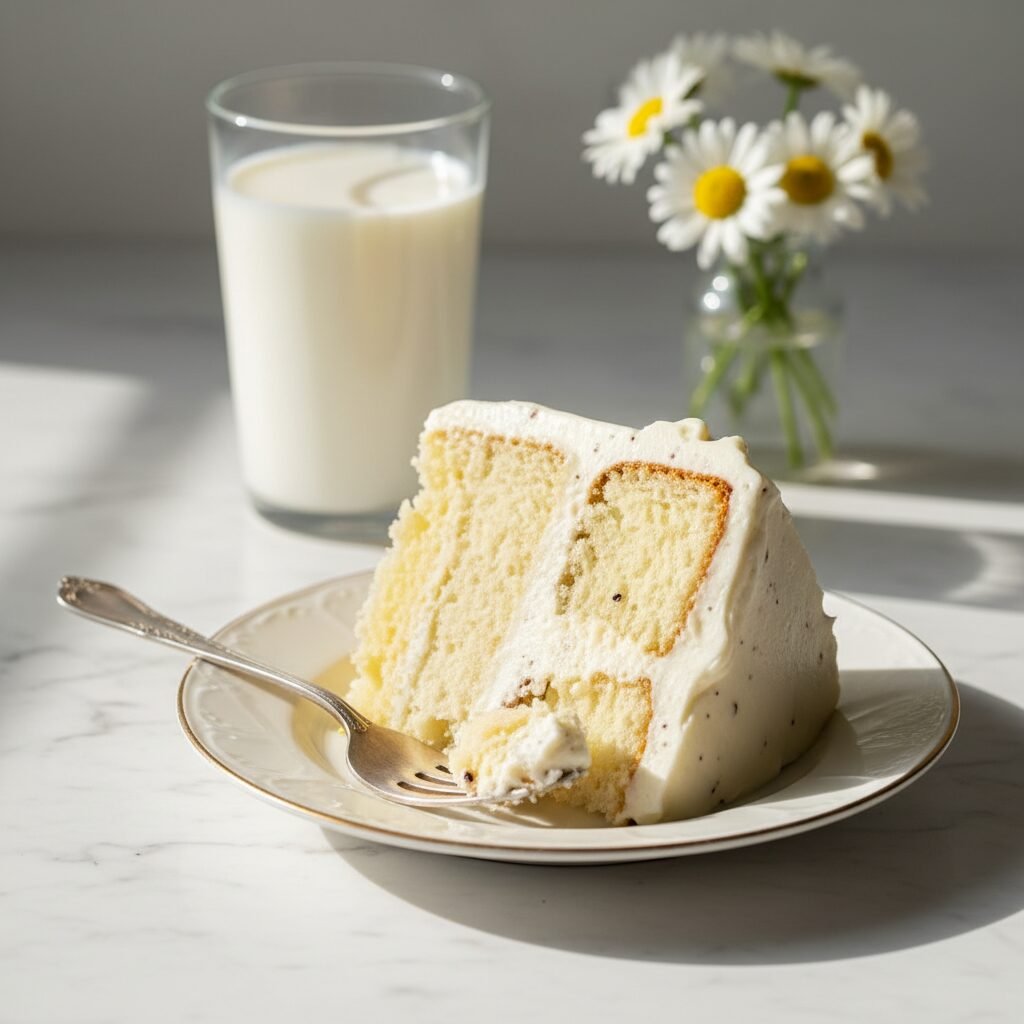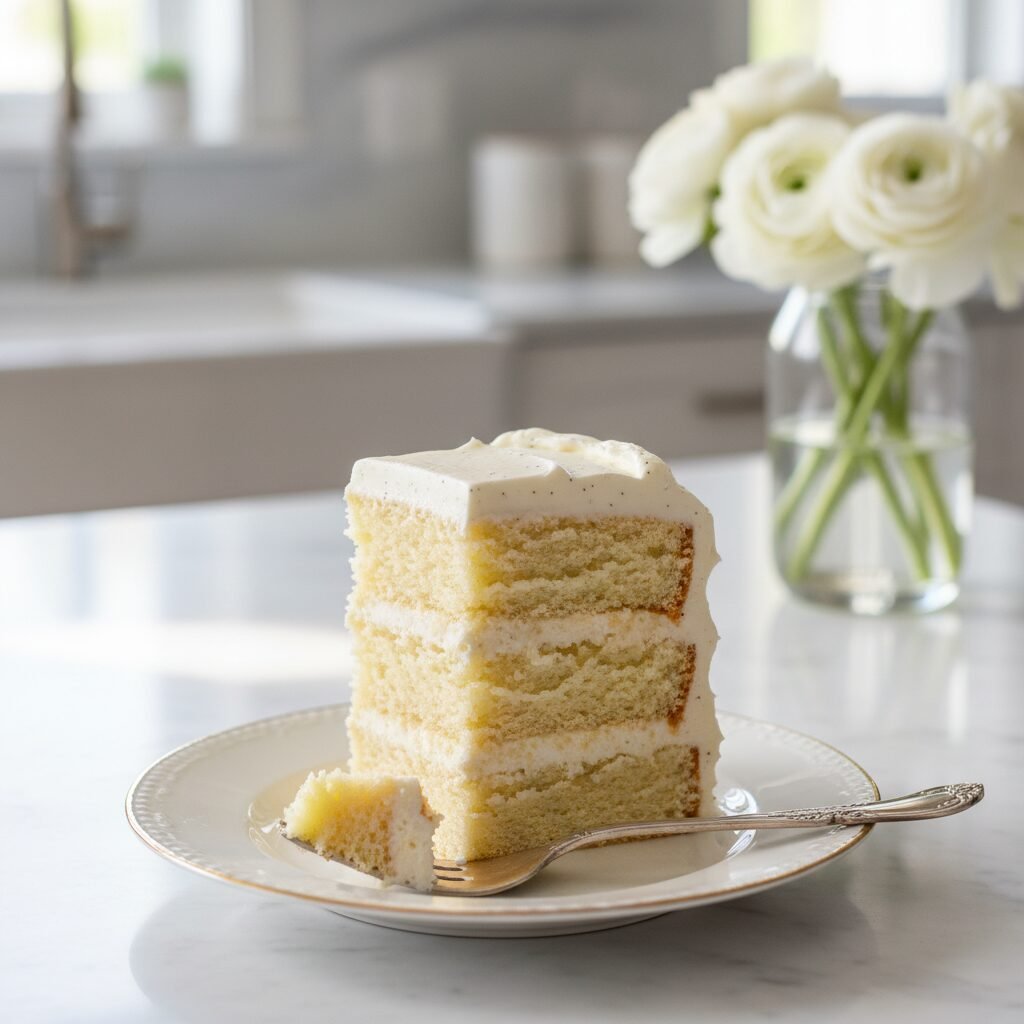

Moist Yellow Sheet Cake With Chocolate Frosting Recipe
Experience the ultimate nostalgia with this incredibly moist yellow sheet cake, topped with a decadent, glossy chocolate fudge frosting. It is the perfect crowd-pleaser for birthdays, potlucks, and family gatherings, offering a tender buttery crumb in every bite.
25 minutes
35 minutes
1 hour 30 minutes
12-15 servings
Dessert
Baking
American
Vegetarian
There is something profoundly comforting about a classic yellow sheet cake. It is the quintessential birthday cake of childhood, the star of church potlucks, and the reliable dessert that never goes out of style. While trends in baking come and go—from complicated mirror glazes to deconstructed pastries—the simple, honest combination of a buttery, vanilla-scented yellow sponge and a thick, swooping layer of chocolate frosting remains undefeated. This recipe is not just another cake; it is a meticulously tested formula designed to banish dry, crumbly textures forever. We aim for a crumb that is plush, velvety, and moist enough to stay fresh for days. The magic lies in the balance of fats and the specific mixing method. Unlike box mixes that can taste artificial, this homemade version sings with the flavor of real butter and high-quality vanilla extract. The frosting is equally important: a chocolate fudge masterpiece that strikes the perfect balance between sweet and tangy, with a lush texture that glides over the cake. Whether you are celebrating a milestone or simply craving a slice of home, this sheet cake delivers pure, unadulterated joy. It is easy to transport, serves a crowd, and looks stunning right in the pan. Prepare to be asked for the recipe immediately after the first bite.
History & Origins
The history of the yellow cake is deeply intertwined with the evolution of American baking and the development of chemical leaveners. Before the mid-19th century, cakes were primarily leavened with yeast or by mechanically beating eggs to incorporate air, resulting in sponge cakes or pound cakes that were denser and required significant labor. The invention of baking powder in the 1840s and its commercialization in the decades that followed revolutionized the home kitchen. It allowed for the creation of ‘butter cakes’—lighter, fluffier confections that rose reliably without hours of beating. The ‘yellow’ in yellow cake comes, of course, from the egg yolks. While white cakes utilize only egg whites for a pristine appearance, yellow cakes embrace the richness and golden hue of the whole egg or extra yolks. The sheet cake format, specifically, gained immense popularity in the mid-20th century. As suburban life expanded and social gatherings became more casual, the 9×13 pan became a kitchen staple. It offered a practical way to bake for a crowd without the fuss of layering and stacking round tiers. This specific style of yellow cake with chocolate frosting became a cultural icon in the United States, often associated with the ‘birthday cake’ archetype depicted in cartoons and media. It represents a shift from the formal, intricate European tortes to the accessible, hearty, and generous spirit of American hospitality.
Why This Recipe Works
This recipe succeeds where others fail due to a specific combination of ingredients and technique. First, we use a blend of butter and oil. Butter provides that unmistakable, nostalgic flavor that oil alone cannot replicate, while vegetable oil ensures the cake remains moist and soft even after refrigeration, as it stays liquid at cooler temperatures. Second, the inclusion of buttermilk is non-negotiable. The acidity in the buttermilk reacts with the baking soda to create a tender crumb and breaks down the gluten strands, preventing toughness. We also utilize cake flour instead of all-purpose flour; the lower protein content in cake flour guarantees a feather-light texture. For the frosting, we use a combination of melted chocolate and cocoa powder. This ‘double chocolate’ approach provides depth—cocoa for that immediate punch of chocolate flavor and melted chocolate for a silky, fudgy mouthfeel that sets beautifully. Finally, the ‘reverse creaming’ method (though slightly modified here for ease) ensures the fat coats the flour particles before the liquid is added, inhibiting gluten formation and resulting in a melt-in-your-mouth texture that is superior to standard creaming methods.
Why You’ll Love This Recipe
- ✓Stays moist for days thanks to a butter-oil blend
- ✓Deeply flavorful chocolate fudge frosting
- ✓Feeds a large crowd easily
- ✓No complicated layering or leveling required
- ✓Perfect balance of fluffy and dense texture
Equipment You’ll Need
- ✓9×13 inch baking pan
- ✓Stand mixer or electric hand mixer
- ✓Large mixing bowls
- ✓Sifter or fine-mesh sieve
- ✓Rubber spatula
- ✓Offset spatula
- ✓Measuring cups and spoons
- ✓Wire cooling rack
Ingredients
- ✓2 1/2 cups cake flour, spooned and leveled
- ✓1 1/2 cups granulated sugar
- ✓1 1/2 teaspoons baking powder
- ✓1/2 teaspoon baking soda
- ✓1/2 teaspoon salt
- ✓3/4 cup unsalted butter, softened to room temperature
- ✓1/4 cup vegetable oil
- ✓3 large eggs, room temperature
- ✓2 large egg yolks, room temperature
- ✓1 tablespoon pure vanilla extract
- ✓1 cup buttermilk, room temperature
- ✓For the Frosting: 1 cup unsalted butter, softened
- ✓3/4 cup unsweetened cocoa powder
- ✓4 cups powdered sugar
- ✓1/4 cup heavy cream
- ✓1 teaspoon vanilla extract
- ✓Pinch of salt
Instructions
- Preheat your oven to 350°F (175°C). Grease a 9×13 inch baking pan generously with butter or non-stick spray, and line the bottom with parchment paper for easy removal.
- In a medium bowl, sift together the cake flour, baking powder, baking soda, and salt. Set aside.
- In the bowl of a stand mixer fitted with the paddle attachment (or a large bowl with a hand mixer), beat the softened butter, vegetable oil, and granulated sugar on medium-high speed for about 3-4 minutes until pale and fluffy.
- Add the eggs and egg yolks one at a time, beating well after each addition. Scrape down the sides of the bowl as needed. Stir in the vanilla extract.
- Reduce the mixer speed to low. Add the dry ingredients in three parts, alternating with the buttermilk, beginning and ending with the flour mixture. Mix only until just combined; do not overmix.
- Pour the batter into the prepared pan and smooth the top with an offset spatula.
- Bake for 30-35 minutes, or until a toothpick inserted into the center comes out clean or with a few moist crumbs. The top should be golden brown and spring back when lightly pressed.
- Remove the cake from the oven and let it cool completely in the pan on a wire rack. The cake must be cool before frosting.
- While the cake cools, make the frosting. Beat the softened butter in a large bowl until creamy. Add the cocoa powder and mix on low speed until combined.
- Gradually add the powdered sugar, one cup at a time, alternating with splashes of heavy cream. Add the vanilla and salt.
- Increase the speed to high and whip the frosting for 2-3 minutes until it is light, fluffy, and glossy. If it is too stiff, add a teaspoon more cream; if too loose, add more sugar.
- Dollop the frosting over the cooled cake and spread it into luscious swirls using an offset spatula. Slice and serve.
Expert Cooking Tips
- ✓Ensure all ingredients, especially eggs, butter, and buttermilk, are at room temperature to prevent the batter from curdling.
- ✓Do not overmix the batter once the flour is added; this will develop gluten and make the cake tough.
- ✓Use high-quality cocoa powder for the frosting; it makes a huge difference in flavor.
- ✓Weigh your flour if possible (300g for 2.5 cups cake flour) for the most accurate results.
- ✓Let the cake cool completely before frosting, or the butter in the frosting will melt and slide off.
Substitutions and Variations
If you do not have cake flour, you can make a substitute by measuring 2 1/2 cups of all-purpose flour, removing 5 tablespoons, and replacing them with 5 tablespoons of cornstarch. Sift this mixture twice before using. If you are out of buttermilk, you can make a ‘sour milk’ substitute by adding 1 tablespoon of white vinegar or lemon juice to a measuring cup and filling it to the 1-cup line with whole milk; let it sit for 5 minutes before using. For the vegetable oil, you can substitute melted coconut oil or canola oil. In the frosting, if you prefer a less sweet option, you can swap half the butter for cream cheese to make a chocolate cream cheese frosting.
Common Mistakes to Avoid
The most common mistake is over-baking the cake. Check it at the 30-minute mark; if the toothpick has wet batter, give it more time, but if it has moist crumbs, it is done. Waiting until the toothpick is bone dry often results in a dry cake. Another mistake is using cold ingredients. Cold eggs and butter do not emulsify properly, leading to a dense, uneven texture. Also, scooping flour directly with the measuring cup packs it down, leading to too much flour and a dry cake; always spoon the flour into the cup and level it off. Finally, applying frosting to a warm cake is a disaster waiting to happen—patience is key.
Serving Suggestions
This cake is best served straight from the pan for a casual, rustic vibe. Cut it into generous squares and serve with a tall glass of cold milk or a hot cup of coffee. For a birthday celebration, add colorful sprinkles immediately after frosting before it sets. If you want to dress it up for a dinner party, serve each square on a plate with a side of fresh raspberries or strawberries to cut through the richness of the chocolate. A scoop of vanilla bean ice cream is also a classic pairing that adds a temperature contrast to the room-temperature cake.
Storage and Reheating Tips
Because of the butter in the frosting, this cake is best stored at room temperature in an airtight container or covered tightly with plastic wrap for up to 3 days. If your kitchen is very hot, you may store it in the refrigerator for up to 5 days, but let it come to room temperature before serving for the best texture and flavor. You can also freeze the unfrosted cake layers wrapped in plastic wrap for up to 3 months. If the cake is already frosted, you can freeze slices by placing them on a baking sheet until frozen solid, then wrapping them individually in plastic wrap and foil.
Nutrition Facts (Estimated)
| Serving Size | 1 slice |
| Calories | 580 |
| Fat | 28g |
| Saturated Fat | 14g |
| Unsaturated Fat | 12g |
| Trans Fat | 0g |
| Cholesterol | 85mg |
| Sodium | 320mg |
| Carbohydrates | 78g |
| Fiber | 2g |
| Sugar | 45g |
| Protein | 6g |
Frequently Asked Questions
Can I make this cake in round pans?
Yes, this recipe can be divided between two 8-inch or 9-inch round cake pans. The baking time may need to be reduced to 25-30 minutes. Keep an eye on them.
Why did my cake sink in the middle?
Sinking usually happens if the oven door was opened too early, causing a temperature drop, or if the cake was underbaked. It can also result from too much leavening (baking powder/soda).
Can I use salted butter?
Yes, you can use salted butter, but you should reduce the added salt in the recipe to 1/4 teaspoon to avoid an overly salty taste.
How do I make the frosting darker?
To get a darker, richer color and flavor, use Dutch-processed cocoa powder or a ‘black’ cocoa powder blend. You can also add a pinch of espresso powder.
Is this cake gluten-free?
As written, no. However, you can substitute the cake flour with a high-quality gluten-free 1:1 baking flour blend that contains xanthan gum.
Why is my frosting grainy?
Grainy frosting usually means the powdered sugar wasn’t sifted or the butter wasn’t soft enough. Always sift your sugar to remove lumps.
Can I double the recipe?
Yes, but you will need a very large mixing bowl or commercial mixer. It is often better to make two separate batches to ensure even mixing.
What if I don’t have a mixer?
You can make this by hand with a whisk and a lot of elbow grease. Ensure the butter is very soft so it incorporates easily with the sugar.
Conclusion
In a world of endless dessert options, the Moist Yellow Sheet Cake with Chocolate Frosting stands as a testament to the power of simplicity and quality ingredients. It is a recipe that invites you to slow down, enjoy the process of baking, and share something truly delicious with the people you love. Whether it is for a special occasion or a Tuesday night treat, this cake promises to deliver comfort and satisfaction. We hope this becomes a staple in your recipe box, passed down through generations just as the original sheet cakes were. Happy baking!