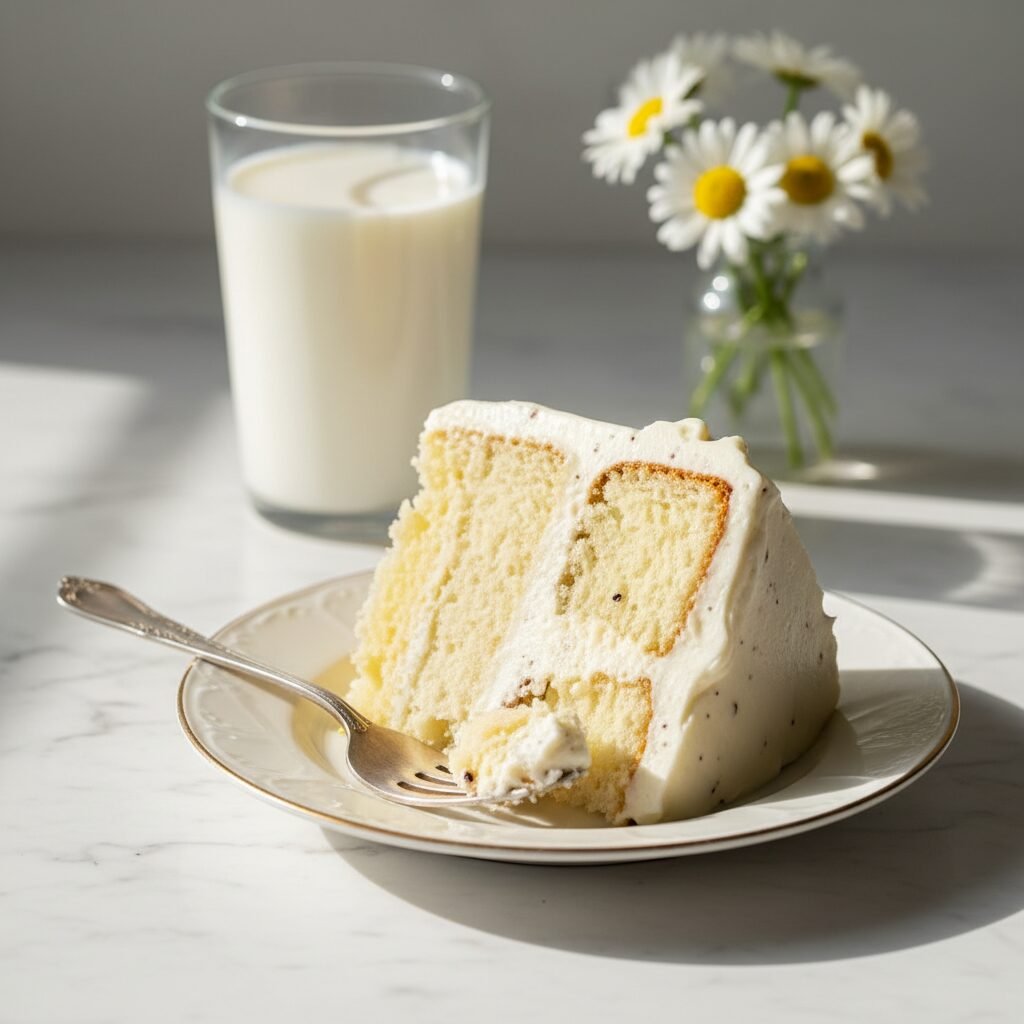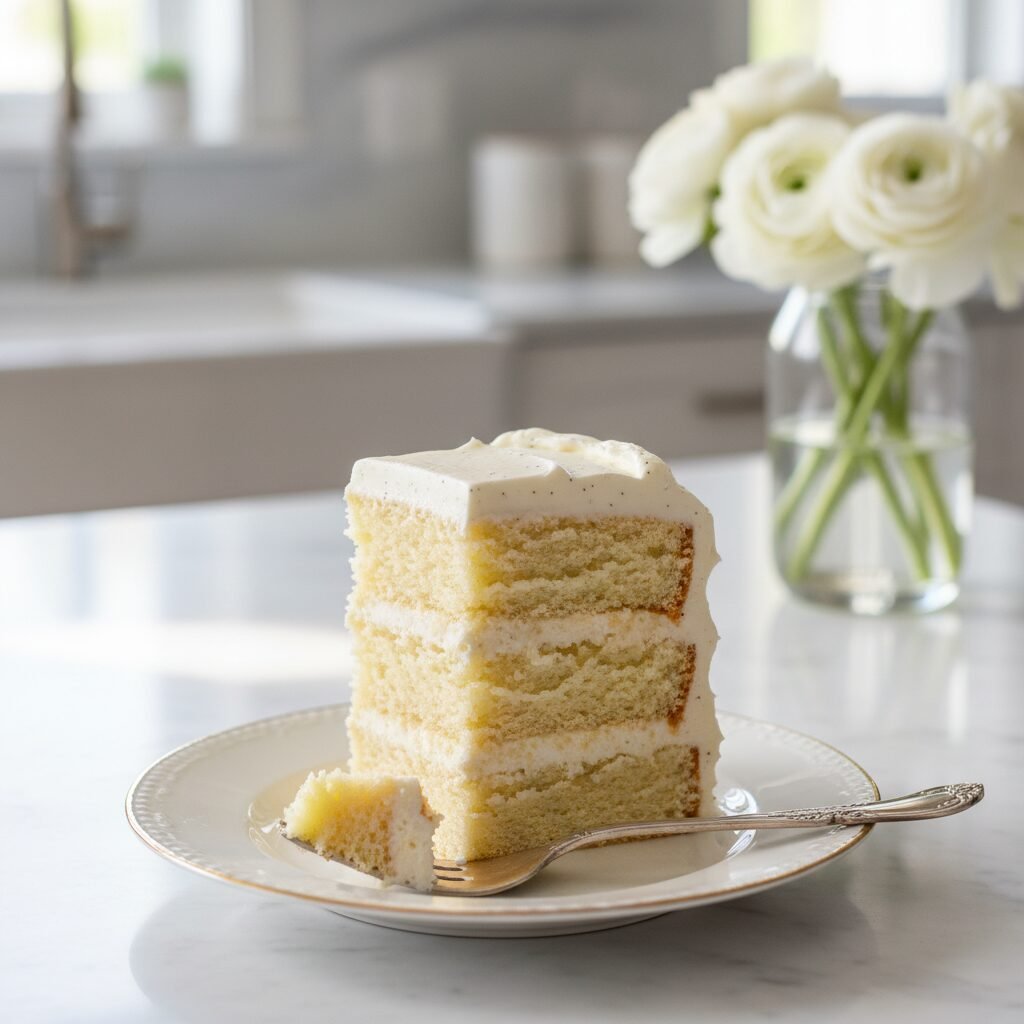

Moist Yellow Sheet Cake With Vanilla Buttercream Recipe
This classic yellow sheet cake is the ultimate crowd-pleaser, boasting an incredibly tender, buttery crumb and a rich custard-like flavor. Topped with a cloud of whipped vanilla buttercream, it is the quintessential birthday cake that beats any box mix hands down.
25 minutes
35 minutes
1 hour 30 minutes (includes cooling)
12-15 servings
Dessert
Baking
American
Vegetarian
There is something profoundly nostalgic about a classic yellow cake. For many of us, it is the flavor of childhood birthdays, school celebrations, and potlucks—a simple, unassuming rectangle of golden cake slathered in sweet frosting. However, finding a recipe that replicates that specific ‘yellow’ flavor—which is essentially a rich, vanilla-forward butter taste—while maintaining a moist texture can be surprisingly difficult. Many scratch recipes end up dry or heavy, leading home bakers to retreat to the reliability of a box mix. This recipe changes everything. It is designed to be the definitive yellow sheet cake: ultra-moist, sturdy enough to slice beautifully, yet meltingly tender on the tongue.
What sets this cake apart is the careful balance of fat and liquid. We aren’t just relying on butter; we are introducing oil for lasting moisture and buttermilk for a tangy tenderness that breaks down the gluten strands. The result is a crumb that is tight and velvety, not airy and dry. When paired with our homemade vanilla buttercream, which is whipped to an ethereal consistency using heavy cream and high-quality butter, the experience is pure comfort. This isn’t just a cake; it’s a centerpiece for memories. Whether you are celebrating a milestone or just need a pick-me-up on a Tuesday, this yellow sheet cake delivers a bakery-quality experience right from your own oven.
History & Origins
The history of the yellow cake is deeply intertwined with the evolution of American baking. Before the mid-19th century, most cakes were sponge cakes, leavened solely by beaten eggs. These were light but dried out quickly. The ‘butter cake,’ which is the ancestor of our modern yellow cake, began to gain popularity with the invention of chemical leaveners like baking soda and baking powder in the mid-1800s. These inventions allowed home cooks to produce consistent, high-rising cakes with a richer, denser crumb than the foam cakes of the past.
The specific term ‘yellow cake’ refers to the golden hue provided by whole eggs and butter, distinguishing it from ‘white cake’ which uses only egg whites. Historically, the ‘1-2-3-4 cake’ (1 cup butter, 2 cups sugar, 3 cups flour, 4 eggs) was the standard template for yellow cakes in American households for decades. As the 20th century progressed, the introduction of the 9×13 inch rectangular pan—often called a ‘sheet’ pan in home kitchens, though technically a quarter sheet—revolutionized how these cakes were baked and served. The sheet cake became the darling of mid-century American suburban life because it was easy to transport, easy to slice, and could feed a crowd without the fuss of stacking layers. Today, the yellow sheet cake remains an icon of American comfort food, representing a bridge between the labor-intensive layer cakes of the past and the convenience culture of the modern era.
Why This Recipe Works
This recipe succeeds where others fail due to three critical scientific factors: the fat blend, the egg ratio, and the flour choice. First, we use a combination of unsalted butter and vegetable oil. Butter provides that essential dairy flavor that defines a yellow cake, but butter is about 18-20% water. Oil is 100% fat and remains liquid at room temperature, which ensures the cake stays moist for days, not just hours. By using both, we get the best of both worlds: flavor and texture longevity.
Second, we manipulate the egg content. While standard recipes might call for whole eggs, we add extra egg yolks. The yolks contain emulsifiers (lecithin) and fat that contribute to a richer, fudgier texture and deepen the golden color without needing artificial dyes. This gives the cake that ‘custardy’ mouthfeel that box mixes often achieve with artificial thickeners.
Finally, the use of cake flour instead of all-purpose flour is non-negotiable for the perfect texture. Cake flour has a lower protein content (usually around 7-9% compared to 10-12% for AP flour). Less protein means less gluten formation, resulting in a crumb that is soft and velvety rather than chewy or bread-like. Combined with the acidity of buttermilk, which further tenderizes the gluten, this formula guarantees a soft, melt-in-your-mouth bite every time.
Why You’ll Love This Recipe
- ✓Uses both butter and oil for maximum moisture and flavor.
- ✓Extra egg yolks create a rich, golden color and custard-like texture.
- ✓The 9×13 sheet format makes it perfect for parties and easy transport.
- ✓Homemade buttercream is far superior to canned frosting.
- ✓Stays soft and fresh for days at room temperature.
- ✓No complicated layering or leveling required.
Equipment You’ll Need
- ✓9×13 inch baking pan
- ✓Stand mixer or electric hand mixer
- ✓Large mixing bowls
- ✓Whisk
- ✓Rubber spatula
- ✓Measuring cups and spoons
- ✓Wire cooling rack
- ✓Offset spatula
Ingredients
- ✓2 1/2 cups Cake flour, sifted (do not use all-purpose)
- ✓2 teaspoons Baking powder
- ✓1/2 teaspoon Baking soda
- ✓1/2 teaspoon Fine sea salt
- ✓3/4 cup Unsalted butter, softened to room temperature
- ✓1/4 cup Vegetable oil (or canola oil)
- ✓1 1/2 cups Granulated sugar
- ✓2 Large eggs, room temperature
- ✓3 Large egg yolks, room temperature
- ✓1 tablespoon Pure vanilla extract
- ✓1 cup Buttermilk, room temperature
- ✓FOR THE BUTTERCREAM:
- ✓1 cup (2 sticks) Unsalted butter, slightly softened
- ✓4 cups Confectioners’ sugar (powdered sugar), sifted
- ✓2-3 tablespoons Heavy cream
- ✓2 teaspoons Pure vanilla extract
- ✓Pinch of salt
Instructions
- Preheat your oven to 350°F (175°C). Grease a 9×13 inch baking pan generously with butter or non-stick spray, and line the bottom with parchment paper for easy removal.
- In a medium bowl, whisk together the sifted cake flour, baking powder, baking soda, and salt. Set this dry mixture aside.
- In the bowl of a stand mixer fitted with the paddle attachment (or a large bowl with a hand mixer), beat the softened butter, vegetable oil, and granulated sugar on medium-high speed for about 4-5 minutes. The mixture should look pale, fluffy, and aerated.
- Reduce the mixer speed to low-medium. Add the eggs and egg yolks one at a time, mixing well after each addition. Scrape down the sides and bottom of the bowl with a rubber spatula to ensure everything is incorporated. Stir in the vanilla extract.
- With the mixer on low speed, add the dry ingredients in three parts, alternating with the buttermilk in two parts (Dry, Buttermilk, Dry, Buttermilk, Dry). Mix only until the flour streaks just disappear. Do not overmix.
- Give the batter a final stir by hand with a spatula to ensure no flour pockets remain at the bottom. Pour the batter into the prepared pan and smooth the top with an offset spatula.
- Bake for 30-35 minutes. The cake is done when the top is golden and a toothpick inserted into the center comes out clean or with just a few moist crumbs. Avoid overbaking.
- Remove the cake from the oven and place the pan on a wire rack. Let it cool completely in the pan. This is crucial; icing a warm cake will melt the buttercream.
- While the cake cools, make the buttercream. In a clean mixer bowl, beat the 1 cup of butter on medium-high speed for 5 minutes until it is incredibly pale and creamy.
- Reduce speed to low and gradually add the powdered sugar, one cup at a time. Once incorporated, increase speed to high and beat for 2 minutes.
- Add the vanilla, salt, and 2 tablespoons of heavy cream. Beat for another 2-3 minutes until whipped and fluffy. If the frosting is too stiff, add the remaining tablespoon of cream.
- Once the cake is completely cool, spread the buttercream generously over the top using an offset spatula. Top with sprinkles if desired. Slice and serve.
Expert Cooking Tips
- ✓Room temperature ingredients are mandatory. Cold eggs or buttermilk will cause the butter to seize and the batter to separate.
- ✓Weigh your flour if possible (approx 115g per cup for cake flour). If using cups, spoon and level method is best to avoid a dense cake.
- ✓Do not skip the sifting step for the cake flour and powdered sugar; it prevents lumps and ensures a light texture.
- ✓Beat the butter and sugar longer than you think—this aeration is the primary mechanical leavening agent.
- ✓Stop mixing the moment the flour disappears to prevent gluten development, which makes the cake tough.
- ✓Use high-quality vanilla extract, as it is the primary flavor profile of this cake.
- ✓If your kitchen is very hot, chill the frosted cake for 15 minutes before serving to set the buttercream.
Substitutions and Variations
Baking is chemistry, so substitutions should be made with caution, but there are options. If you cannot find cake flour, you can make a DIY version: measure 1 cup of all-purpose flour, remove 2 tablespoons, and replace them with 2 tablespoons of cornstarch. Sift this mixture 3-4 times to aerate. For the buttermilk, you can make a ‘sour milk’ substitute by adding 1 tablespoon of white vinegar or lemon juice to a cup of whole milk and letting it sit for 5 minutes until curdled. However, real buttermilk yields the best results. If you prefer a dairy-free cake, you can use a high-quality plant-based butter and almond milk mixed with vinegar, though the texture may be slightly less rich. For the oil, melted coconut oil or grapeseed oil works well, but ensure the coconut oil doesn’t solidify when hitting cold ingredients. In the frosting, half-and-half or whole milk can replace heavy cream, though the texture will be slightly less airy.
Common Mistakes to Avoid
The most common mistake with yellow cake is overmixing the batter after adding the flour. This activates the gluten and turns a tender cake into a rubbery loaf. Always mix on low speed at the end and finish by hand. Another frequent error is baking at an incorrect temperature. Oven dials are often inaccurate; use an oven thermometer to ensure you are actually at 350°F. Opening the oven door too early can cause the cake to collapse in the center, so resist the urge to peek until at least 25 minutes have passed. Regarding the frosting, using butter that is too soft or melted will result in a greasy, soupy mess that won’t hold its shape. The butter should be cool room temperature—soft enough to indent with a thumb, but not shiny or oily. Finally, measuring flour by scooping the measuring cup directly into the bag packs the flour down, leading to a dry cake. Always spoon the flour into the cup and level it off.
Serving Suggestions
This cake is a versatile canvas. While it is perfect on its own, it pairs beautifully with fresh berries—strawberries, raspberries, or blueberries cut through the sweetness of the buttercream. For a birthday extravaganza, cover it in rainbow sprinkles or ‘funfetti’ quins. If you want to elevate the dessert for a dinner party, serve slices with a dollop of tart lemon curd or a side of raspberry coulis. A scoop of high-quality chocolate ice cream provides a classic contrast to the vanilla flavors. For beverages, nothing beats a tall glass of cold milk, but a hot cup of dark roast coffee or Earl Grey tea also complements the buttery sweetness wonderfully.
Storage and Reheating Tips
Because this cake contains oil and butter, it stays moist for a long time. It can be stored at room temperature in an airtight container (or covered tightly with plastic wrap or foil) for up to 3 days. In fact, the flavor often improves on the second day as the vanilla mellows. If you are in a hot climate, you may need to refrigerate it to keep the buttercream from melting; just be sure to let the slices come to room temperature before eating, as cold butter cake can taste dense and the frosting will be hard. For long-term storage, you can freeze the frosted cake. Place slices on a baking sheet to freeze the frosting solid, then wrap them individually in plastic wrap and foil. They will keep for up to 3 months. Thaw on the counter for an hour before serving.
Nutrition Facts (Estimated)
| Serving Size | 1 slice (1/15th of cake) |
| Calories | 480 |
| Fat | 24g |
| Saturated Fat | 14g |
| Unsaturated Fat | 9g |
| Trans Fat | 0g |
| Cholesterol | 85mg |
| Sodium | 210mg |
| Carbohydrates | 62g |
| Fiber | 0.5g |
| Sugar | 42g |
| Protein | 4g |
Frequently Asked Questions
Can I make this recipe into cupcakes?
Yes, absolutely. This recipe will yield approximately 24 standard cupcakes. Bake them at 350°F for 18-22 minutes. Check for doneness early.
Why did my cake sink in the middle?
Sinking is usually caused by opening the oven door too early, underbaking the cake, or using too much leavening (baking powder/soda). Ensure your oven temp is accurate.
Can I use salted butter instead of unsalted?
You can, but you should reduce the added salt in the recipe to 1/4 teaspoon. Unsalted butter is preferred because it gives you total control over the sodium level.
How do I get my buttercream white instead of yellow?
Butter naturally has a yellow tint. To get white buttercream, beat the butter for a very long time (5+ minutes) before adding sugar to lighten it. You can also add a tiny drop of purple food coloring to neutralize the yellow tones.
Can I bake this in two 8-inch or 9-inch round pans?
Yes, this batter works for layers. Divide evenly between two greased round pans and bake for 25-30 minutes. Watch closely as bake time may vary.
Why is my cake dry?
Dry cake is usually the result of overbaking or measuring too much flour. Make sure to check the cake a few minutes before the timer goes off and use the spoon-and-level method for flour.
Can I leave the cake in the pan to frost?
Yes! That is the beauty of a sheet cake. Just ensure it is fully cool before frosting, or the buttercream will melt into the cake.
What if I don’t have a stand mixer?
An electric hand mixer works perfectly fine. You can even mix by hand with a whisk and a lot of elbow grease, though getting the butter and sugar fluffy enough will be a workout.
Conclusion
In a world of complicated desserts and viral food trends, the humble Yellow Sheet Cake with Vanilla Buttercream remains a steadfast champion of comfort. It is a recipe that asks for simple ingredients but rewards you with complex satisfaction. The interplay of the tender, golden crumb with the sweet, creamy frosting is a timeless combination that appeals to everyone from toddlers to grandparents. By following the tips on temperature and mixing, you can elevate this home-style classic into something truly professional. Whether it’s for a birthday, a potluck, or just a weekend treat, this cake is guaranteed to disappear from the pan in record time. Happy baking!